
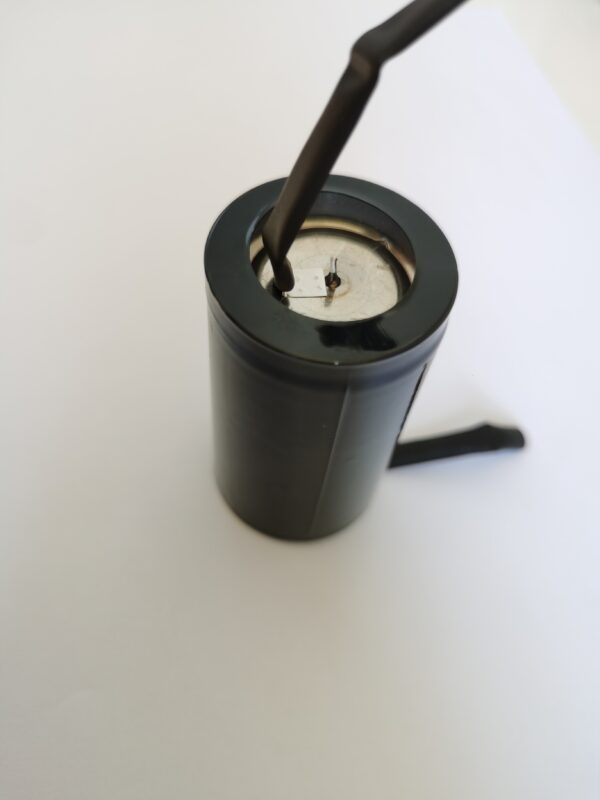
How to Extend Shelf Life of Lithium Primary Batteries in Humid Climates
For engineers and technical procurement specialists operating in tropical and subtropical regions, maintaining the performance integrity of lithium metal primary batteries presents unique challenges. High humidity environments can significantly accelerate degradation mechanisms, compromising battery reliability in critical applications ranging from IoT sensors to medical devices. This technical guide examines the fundamental degradation pathways and provides evidence-based strategies for extending shelf life in humid climates.
Understanding Humidity-Induced Degradation Mechanisms
Lithium primary batteries, particularly Li-SOCl₂ (lithium thionyl chloride) and Li-MnO₂ (lithium manganese dioxide) chemistries, rely on non-aqueous electrolyte systems that are inherently sensitive to moisture ingress. When water molecules penetrate the battery sealing system, several detrimental reactions occur:
Electrolyte Hydrolysis: In Li-SOCl₂ cells, the thionyl chloride electrolyte reacts with water to produce hydrochloric acid and sulfur dioxide (SOCl₂ + H₂O → 2HCl + SO₂). This reaction not only consumes active electrolyte but generates corrosive byproducts that attack internal components.
Lithium Anode Corrosion: Metallic lithium reacts exothermically with moisture, forming lithium hydroxide and hydrogen gas. This parasitic reaction reduces available capacity and creates internal pressure that may compromise seal integrity.
SEI Layer Disruption: The solid electrolyte interphase (SEI) layer that naturally forms on the lithium surface provides critical passivation. Humidity exposure destabilizes this protective layer, increasing self-discharge rates from typical values of 1-2% per year to potentially 5-10% annually in severe conditions.
Optimal Storage Conditions for Humid Environments
Based on industry standards and accelerated aging studies, the following storage parameters minimize humidity-related degradation:
Relative Humidity Control: Maintain storage environments at 40-60% RH maximum. For extended storage exceeding 24 months, target 30-40% RH with continuous monitoring using calibrated hygrometers.
Temperature Management: Store batteries at 15-25°C with minimal fluctuation (±3°C). Higher temperatures accelerate moisture diffusion through sealing materials following Arrhenius kinetics—every 10°C increase approximately doubles degradation rates.
Air Quality: Implement desiccant-based dehumidification systems with silica gel or molecular sieve materials. For warehouse-scale operations, maintain positive pressure with filtered, dried air to prevent ambient moisture infiltration.
Advanced Packaging and Sealing Technologies
Modern lithium primary battery manufacturers employ multiple barrier technologies to protect against humidity:
Hermetic Sealing: Glass-to-metal seals provide superior moisture barrier properties compared to polymer-based alternatives, achieving leak rates below 1×10⁻⁸ atm·cc/s helium equivalent.
Multi-Layer Barrier Films: Aluminum-laminated pouch constructions with moisture transmission rates under 0.01 g/m²/day offer cost-effective protection for moderate humidity environments.
Desiccant Integration: Include humidity indicator cards and desiccant packets within secondary packaging. For tropical climates, use 2-5g silica gel per battery unit with color-changing indicators for visual monitoring.
Conformal Coating: For battery packs and assembled modules, apply parylene or acrylic conformal coatings (25-50μm thickness) to create additional moisture barriers on external surfaces and connection points.
Quality Verification and Testing Protocols
Implement systematic verification procedures to ensure battery integrity throughout the supply chain:
Incoming Inspection: Perform random sampling with OCV (open circuit voltage) measurements and impedance testing. Reject batches showing voltage depression exceeding 50mV from nominal specifications.
Accelerated Aging Tests: Conduct 85°C/85% RH testing for 500-1000 hours to predict long-term performance. Batteries maintaining >95% capacity retention after testing demonstrate adequate humidity resistance.
Seal Integrity Verification: Utilize helium mass spectrometry leak detection for critical applications requiring 10+ year service life in harsh environments.
Documentation Requirements: Maintain complete traceability including manufacturing date codes, batch numbers, and storage condition logs for regulatory compliance and warranty validation.
Implementation Recommendations for Global Supply Chains
For organizations managing lithium primary battery inventory across multiple climate zones:
- Regional Warehousing: Establish climate-controlled storage facilities in high-humidity regions rather than transporting batteries from temperate zones repeatedly.
- First-Expired-First-Out (FEFO): Implement inventory management systems tracking manufacturing dates with automatic rotation alerts at 80% of rated shelf life.
- Supplier Qualification: Partner with manufacturers demonstrating ISO 9001 certification and providing detailed environmental testing data for their products.
- Application-Specific Selection: Match battery chemistry to environmental conditions—Li-SOCl₂ offers superior energy density for low-drain applications, while Li-MnO₂ provides better high-current performance with moderate humidity tolerance.
Conclusion
Extending lithium primary battery shelf life in humid climates requires systematic attention to storage conditions, packaging integrity, and quality verification protocols. By understanding the fundamental degradation mechanisms and implementing appropriate mitigation strategies, organizations can achieve rated 10-15 year shelf life even in challenging tropical environments.
For technical specifications on humidity-resistant lithium primary battery solutions and customized storage recommendations for your specific applications, visit our product portfolio. Our engineering team provides comprehensive support for battery selection, storage protocol development, and quality assurance programs. Contact us directly at https://cnsbattery.com/primary-battery-contact-us/ for detailed technical consultations and region-specific implementation guidance.
This technical guide reflects current industry best practices as of 2026. Specific requirements may vary based on application criticality, regulatory environment, and operational conditions. Always consult manufacturer documentation and conduct application-specific validation testing.
