
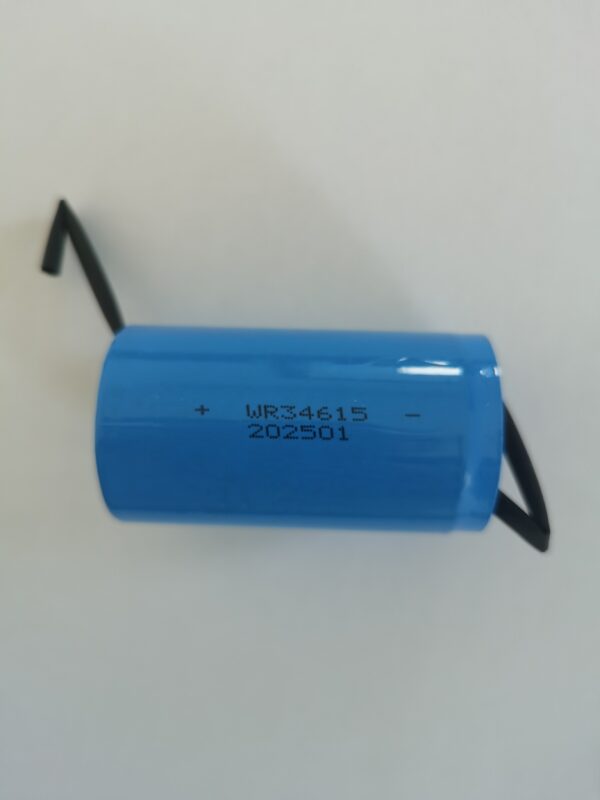
Li-SO₂ Battery for Coast Guard Rescue Boat Emergency Equipment
In the high-stakes environment of maritime search and rescue (SAR), the reliability of emergency equipment is not merely a specification—it is a lifeline. Coast Guard rescue boats operate in some of the most hostile conditions on Earth, facing extreme temperatures, high humidity, and prolonged storage periods without maintenance. For engineers and technical procurement specialists responsible for outfitting these vessels, the power source selected for emergency electronic devices must meet rigorous standards of longevity, stability, and instantaneous readiness. Among primary battery chemistries, the Lithium Sulfur Dioxide (Li-SO₂) battery has emerged as the industry benchmark for marine emergency applications. This article provides a technical analysis of why Li-SO₂ technology is critical for Coast Guard rescue operations and how it aligns with modern maritime safety requirements.
The Critical Role of Primary Power in Marine SAR
Coast Guard rescue boats are equipped with a suite of emergency electronics, including Emergency Position Indicating Radio Beacons (EPIRBs), Personal Locator Beacons (PLBs), VHF radios, and emergency lighting systems. Unlike commercial vessels that may have regular shore power access, rescue boats often rely on self-contained power systems that must remain dormant for months or even years before being called upon. When activated, these devices must deliver immediate, high-current pulses to transmit distress signals via satellite networks.
The International Maritime Organization (IMO) and various national Coast Guard agencies mandate strict performance criteria for GMDSS (Global Maritime Distress and Safety System) equipment. A key requirement is the ability to function after long-term storage without voltage depression or capacity loss. This is where rechargeable technologies often fall short due to self-discharge rates and cycle life limitations. Primary lithium batteries, specifically Li-SO₂ chemistry, offer a superior solution for these “install-and-forget” scenarios.
Technical Analysis of Li-SO₂ Chemistry
From an electrochemical perspective, the Li-SO₂ battery utilizes lithium metal as the anode and sulfur dioxide as the cathode active material, with a non-aqueous electrolyte. This configuration yields a nominal voltage of 3.0V, which is significantly higher than traditional alkaline or zinc-carbon cells. For technical procurement teams, understanding the specific advantages of this chemistry is essential for component selection.
1. Wide Operating Temperature Range
Marine environments subject equipment to thermal extremes, from freezing Arctic waters to tropical heat. Li-SO₂ batteries are renowned for their ability to operate efficiently across a temperature range of -55°C to +70°C. The electrolyte formulation remains stable under these conditions, ensuring that internal resistance does not spike during cold starts. For a rescue boat deployed in polar regions, this thermal resilience ensures that an EPIRB will activate instantly, regardless of ambient conditions.
2. Long Shelf Life and Low Self-Discharge
One of the most critical metrics for emergency equipment is shelf life. Li-SO₂ cells exhibit an annual self-discharge rate of less than 1% at ambient temperatures. This allows for a storage life of up to 10 years without significant capacity degradation. For Coast Guard logistics, this reduces the total cost of ownership by minimizing replacement frequency and maintenance intervals. The passivation layer that forms on the lithium anode protects the metal from reacting with the electrolyte during storage, yet breaks down easily upon load application to deliver power.
3. High Energy Density and Pulse Capability
Rescue communication devices often require high-current pulses to transmit data bursts to satellites. Li-SO₂ batteries offer high energy density (both gravimetric and volumetric), allowing for compact device designs without sacrificing runtime. Furthermore, the chemistry supports high pulse discharge capabilities, ensuring that the voltage does not collapse under the load of a high-power transmitter. This stability is vital for maintaining signal integrity during distress situations.
Compliance and Safety Considerations
When integrating power sources into Coast Guard equipment, compliance with safety standards is paramount. Li-SO₂ batteries are classified under UN 3090 for transportation and must meet specific IEC and UL standards for marine use. Modern manufacturing processes include safety vents and positive temperature coefficient (PTC) devices to prevent thermal runaway in the event of external short circuits or overheating.
Engineers must also consider the discharge curve. Li-SO₂ batteries maintain a flat voltage profile throughout most of their discharge cycle, providing consistent power to sensitive electronics until the end of life. This predictability allows for accurate battery level monitoring in rescue devices, ensuring that crews are alerted before the power source becomes critical.
Selecting the Right Partner for Marine Power Solutions
For technical buyers and engineers, sourcing Li-SO₂ batteries requires a partner with proven expertise in primary lithium technology. The manufacturing process must ensure consistent quality, as variations in electrolyte filling or sealing can impact long-term reliability. It is essential to work with suppliers who understand the specific demands of the marine industry, including corrosion resistance in battery contacts and robust packaging for harsh environments.
Reliable power is the backbone of maritime safety. As rescue technologies evolve, the demand for high-performance primary batteries will only increase. Ensuring that your emergency equipment is powered by certified, high-quality Li-SO₂ cells is a fundamental step in safeguarding lives at sea.
For detailed technical specifications on our marine-grade primary battery solutions, please visit our product page. Our engineering team is ready to assist with custom integration and compliance queries. To discuss your specific Coast Guard equipment requirements or request sample testing, please contact us here.
In conclusion, the Li-SO₂ battery represents the optimal balance of energy density, storage stability, and environmental resilience for Coast Guard rescue boat emergency equipment. By prioritizing this technology, procurement specialists and engineers can ensure that critical life-saving devices perform flawlessly when needed most.
