
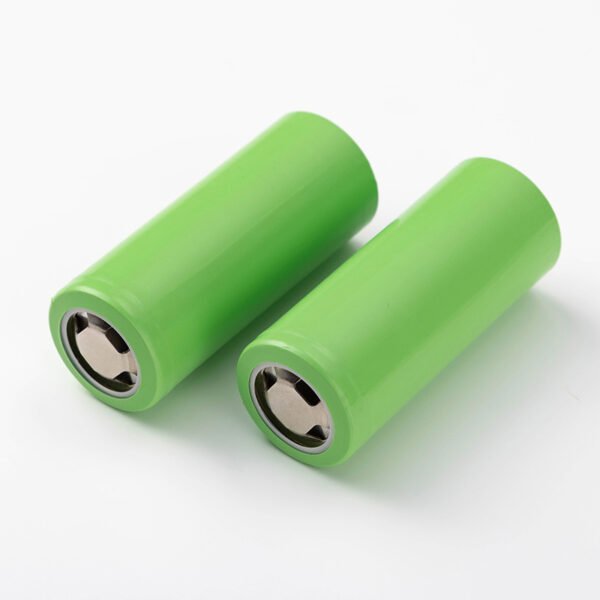
Li-SO₂ Battery for Emergency Equipment Mass Production | China
Introduction: Why Li-SO₂ Batteries Power Critical Emergency Systems
Lithium Sulfur Dioxide (Li-SO₂) batteries have established themselves as the preferred power solution for emergency equipment worldwide. With their exceptional performance in extreme conditions, extended shelf life, and reliable power delivery, these primary lithium batteries are indispensable for mission-critical applications. China has emerged as a leading manufacturing hub for Li-SO₂ battery mass production, offering competitive pricing without compromising quality or compliance standards.
Technical Fundamentals: Understanding Li-SO₂ Battery Architecture
Li-SO₂ batteries operate through an electrochemical reaction between lithium anode and sulfur dioxide cathode. The nominal voltage of 3.0V per cell provides stable power output throughout the discharge cycle. Key technical characteristics include:
- Operating Temperature Range: -55°C to +70°C, making them ideal for harsh environments
- Energy Density: Approximately 250-300 Wh/kg, superior to most primary battery chemistries
- Shelf Life: 10+ years with minimal self-discharge (less than 1% per year at room temperature)
- Pulse Current Capability: High peak current delivery for emergency signaling equipment
The non-aqueous electrolyte system ensures reliable operation where alkaline or other battery types would fail. This makes Li-SO₂ batteries particularly suitable for emergency location transmitters, beacon systems, and backup power applications.
Emergency Equipment Applications: Real-World Use Cases
Li-SO₂ batteries power diverse emergency equipment across multiple sectors:
Maritime Safety: Emergency Position Indicating Radio Beacons (EPIRB) require batteries that function reliably after years of storage. Li-SO₂ cells meet SOLAS (Safety of Life at Sea) requirements with proven performance in saltwater environments.
Aviation Emergency Systems: Aircraft emergency locator transmitters (ELT) depend on Li-SO₂ batteries for immediate activation during crises. The batteries’ wide temperature tolerance ensures functionality at high altitudes.
Industrial Safety Equipment: Gas detection systems, emergency lighting, and fire alarm backup power utilize Li-SO₂ technology for uninterrupted operation during power outages.
Military and Defense: Portable communication devices and emergency signaling equipment benefit from the battery’s tamper-resistant design and long-term reliability.
Compliance and Certification: Essential Requirements for Global Markets
When sourcing Li-SO₂ batteries from China for emergency equipment, compliance verification is critical. Reputable manufacturers maintain the following certifications:
UN38.3 Testing: Mandatory for lithium battery transportation. This includes altitude simulation, thermal testing, vibration, shock, external short circuit, impact, overcharge, and forced discharge tests.
IEC 60086 Standards: International standards for primary batteries covering safety, performance, and dimensional specifications.
ISO 9001 Quality Management: Ensures consistent manufacturing processes and quality control throughout mass production.
RoHS and REACH Compliance: Environmental regulations restricting hazardous substances, essential for European market access.
GB 21966-2008: Chinese national standard equivalent to IEC 62281, governing lithium battery transportation safety requirements.
Buyers should request test reports and certification documentation before placing bulk orders. Verified suppliers provide complete compliance packages including Safety Data Sheets (SDS) and transportation classification documents.
Procurement Guidelines: Key Considerations for B2B Buyers
Capacity and Configuration: Li-SO₂ batteries come in various sizes from AA equivalents to D-size cells. Spiral-wound constructions offer higher pulse current capability compared to bobbin-type cells. Match battery specifications to your equipment’s power requirements.
Customization Options: Leading Chinese manufacturers offer OEM/ODM services including custom labeling, terminal configurations, and pack assembly. Minimum order quantities typically range from 1,000 to 5,000 units depending on customization level.
Lead Time and Production Capacity: Mass production facilities can deliver 100,000+ units monthly. Standard products ship within 2-4 weeks; customized orders require 6-8 weeks including sample approval.
Quality Assurance: Request pre-shipment inspection reports. Reputable suppliers conduct 100% voltage testing and random sampling for capacity verification. Third-party inspection services provide additional quality validation.
Pricing Structure: Li-SO₂ battery costs vary by capacity, quantity, and certification requirements. Volume discounts apply for orders exceeding 10,000 units. Factor in shipping, customs, and compliance documentation costs when evaluating total landed cost.
China Manufacturing Advantage: Quality Meets Competitiveness
China’s Li-SO₂ battery industry benefits from mature supply chains, experienced engineering teams, and advanced manufacturing equipment. Leading manufacturers invest in automated production lines ensuring consistent quality across large batches. The concentration of component suppliers reduces lead times and production costs.
However, buyer due diligence remains essential. Verify manufacturer credentials through factory audits, reference checks, and sample testing. Established suppliers maintain transparent communication channels and provide technical support throughout the partnership.
Conclusion: Strategic Sourcing for Emergency Power Solutions
Li-SO₂ batteries represent the optimal power solution for emergency equipment requiring long-term reliability and extreme condition performance. China’s mass production capabilities offer competitive advantages for global buyers, provided proper compliance verification and quality control measures are implemented.
For detailed product specifications and technical consultation, visit our primary battery product range. Our team specializes in emergency equipment power solutions with full compliance documentation and customizable manufacturing options.
To discuss your specific requirements or request samples, contact us directly. We provide comprehensive support from initial specification review through mass production delivery, ensuring your emergency equipment receives reliable power solutions meeting international standards.
This article provides general guidance for B2B procurement professionals. Specific technical requirements should be validated with qualified engineering teams and compliance specialists before finalizing purchase decisions.
