
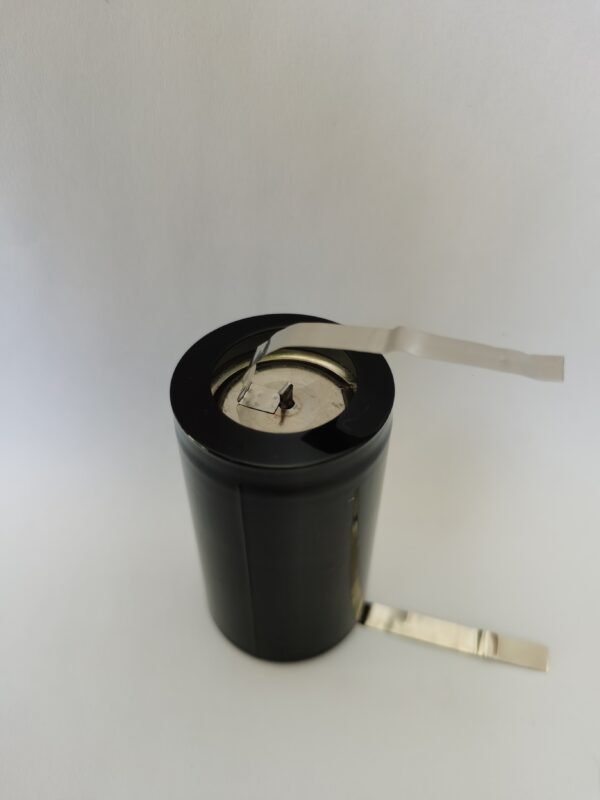
Li-SO₂ Battery Wholesale | Bulk Military Grade Battery Price
Professional Guide for B2B Procurement and Engineering Applications
Lithium-sulfur dioxide (Li-SO₂) batteries represent a critical power solution for military, aerospace, and industrial applications requiring reliable energy density in extreme conditions. As global demand for military-grade primary batteries continues to rise, understanding wholesale pricing structures, technical specifications, and procurement considerations becomes essential for engineering teams and technical buyers. This comprehensive guide addresses key factors influencing bulk Li-SO₂ battery pricing and selection criteria for professional applications.
Understanding Li-SO₂ Battery Technology Fundamentals
Li-SO₂ batteries belong to the lithium metal primary battery family, utilizing lithium metal as the anode and sulfur dioxide as the cathode active material. The electrochemical reaction generates a nominal voltage of 3.0V with exceptional energy density ranging from 250-300 Wh/kg. Unlike rechargeable lithium-ion systems, these non-rechargeable cells offer superior shelf life exceeding 10 years and operate reliably across temperatures from -55°C to +70°C.
The liquid cathode design enables high pulse current capability, making Li-SO₂ batteries particularly suitable for military communications equipment, emergency beacons, and remote sensing applications where consistent power delivery matters more than rechargeability.
Key Factors Influencing Bulk Military Grade Battery Pricing
1. Cell Capacity and Configuration
Wholesale pricing varies significantly based on capacity ratings. Standard D-cell configurations command different price points compared to custom battery packs. Larger volume orders typically receive tiered pricing structures with 15-25% discounts for quantities exceeding 10,000 units. Technical buyers should request detailed specification sheets including discharge curves, impedance characteristics, and temperature performance data before finalizing procurement decisions.
2. Military Certification Requirements
Military-grade batteries require compliance with stringent standards including MIL-PRF-32565, UN 38.3 transportation certification, and IEC 60086 safety requirements. Certified manufacturers invest substantially in quality control systems, testing infrastructure, and documentation processes. These compliance costs reflect in wholesale pricing but ensure mission-critical reliability. Buyers should verify current certification status and request test reports for specific batch numbers.
3. Manufacturing Origin and Supply Chain
Geographic manufacturing location impacts both pricing and lead times. Established manufacturers with vertical integration capabilities offer more competitive wholesale rates while maintaining quality consistency. Supply chain resilience became paramount following global disruptions, making dual-source procurement strategies increasingly common among defense contractors and industrial OEMs.
Technical Procurement Considerations for Engineering Teams
Performance Validation Requirements
Professional buyers should establish clear performance validation protocols before bulk purchasing. Key parameters include:
- Open circuit voltage stability over storage period
- Pulse discharge capability at extreme temperatures
- Self-discharge rates under various storage conditions
- Safety venting mechanisms under abuse conditions
Requesting sample batches for independent testing reduces procurement risk and validates manufacturer claims before committing to large-volume orders.
Storage and Handling Specifications
Li-SO₂ batteries require specific storage conditions to maintain performance characteristics. Recommended storage temperatures range from 10°C to 30°C with relative humidity below 75%. Proper warehouse infrastructure represents an often-overlooked cost factor in total ownership calculations. Technical teams should coordinate with logistics partners to ensure compliance throughout the supply chain.
Customization Options and Lead Times
Many manufacturers offer customization services including special terminal configurations, custom labeling, and pack assembly. These services add value but extend lead times from standard 4-6 weeks to 8-12 weeks for specialized requirements. Early engagement with manufacturing partners during product development phases optimizes both cost and timeline outcomes.
Market Trends and Future Pricing Outlook
The global military battery market continues expanding with compound annual growth rates exceeding 6% through 2030. Increased defense spending, modernization programs, and emerging applications in unmanned systems drive sustained demand. However, raw material cost fluctuations and regulatory changes may impact pricing stability. Forward-thinking procurement teams should consider long-term supply agreements with price adjustment clauses to mitigate market volatility.
Environmental regulations increasingly influence battery design and disposal requirements. Manufacturers investing in sustainable production processes and recycling programs may command premium pricing while offering compliance advantages for government contracts requiring environmental stewardship documentation.
Strategic Sourcing Recommendations
For organizations evaluating Li-SO₂ battery suppliers, we recommend comprehensive vendor assessment including manufacturing capacity verification, quality system audits, and reference customer validation. Established partners with proven track records in military applications provide reduced procurement risk despite potentially higher unit costs.
Technical buyers seeking detailed product specifications, certification documentation, or wholesale pricing inquiries should visit our comprehensive primary battery product catalog at https://cnsbattery.com/primary-battery/ for complete technical information and available configurations.
For direct communication with our engineering and sales teams regarding bulk orders, custom requirements, or technical consultations, please contact us through our dedicated primary battery contact portal at https://cnsbattery.com/primary-battery-contact-us/ to ensure prompt response from qualified technical personnel.
Conclusion
Li-SO₂ battery wholesale procurement requires careful evaluation of technical specifications, certification requirements, and total cost of ownership beyond simple unit pricing. Military-grade applications demand uncompromising quality standards that justify premium pricing structures when validated through proper testing and supplier qualification processes. Engineering teams and technical buyers who invest time in comprehensive vendor assessment, performance validation, and long-term supply planning achieve optimal outcomes for mission-critical power applications.
Understanding the intersection of electrochemical performance, regulatory compliance, and supply chain dynamics enables informed procurement decisions that balance cost efficiency with operational reliability. As technology evolves and market conditions shift, maintaining strong manufacturer relationships and staying informed about industry developments remains essential for successful battery procurement strategies.
