
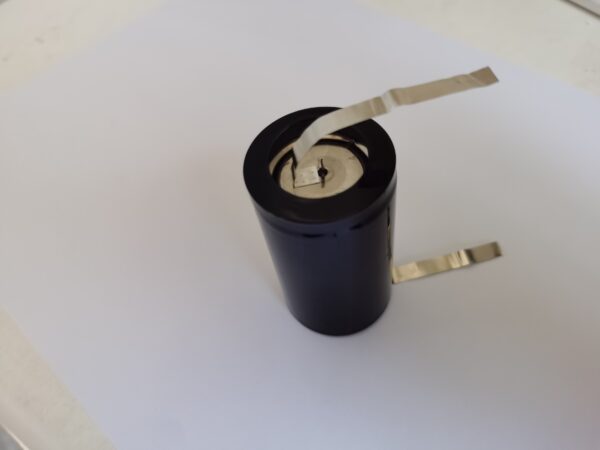
Primary Lithium Battery Long Term Warranty | 5-10 Year Warranty
In the rapidly evolving landscape of industrial power solutions, primary lithium batteries have emerged as the cornerstone for mission-critical applications spanning IoT devices, medical equipment, smart metering, and security systems. For B2B purchasers and engineering teams evaluating long-term deployment strategies, the warranty period represents more than a contractual commitment—it reflects the manufacturer’s confidence in cell chemistry, production quality, and performance reliability. This article examines the technical foundations behind 5-10 year warranty offerings for primary lithium batteries and what discerning buyers should consider when selecting suppliers.
Understanding Primary Lithium Battery Chemistry and Longevity
Primary lithium batteries, particularly lithium-thionyl chloride (Li-SOCl₂) and lithium-manganese dioxide (Li-MnO₂) chemistries, distinguish themselves from rechargeable alternatives through their exceptional energy density and ultra-low self-discharge rates. The bobbin-type Li-SOCl₂ cells, for instance, demonstrate self-discharge rates below 1% per year under standard storage conditions, enabling shelf life exceeding 10 years while maintaining over 90% of initial capacity.
The extended warranty periods of 5-10 years are grounded in three fundamental technical parameters:
1. Electrochemical Stability: The lithium metal anode forms a stable passivation layer when exposed to the electrolyte, significantly reducing parasitic reactions that degrade performance over time. This inherent stability allows manufacturers to confidently guarantee voltage performance throughout the warranty period.
2. Temperature Resilience: Quality primary lithium cells operate reliably across -55°C to +85°C ranges, with some specialized variants supporting up to +150°C. This wide operating envelope ensures consistent performance in diverse deployment environments, from Arctic monitoring stations to desert-based telecommunications infrastructure.
3. Low Self-Discharge Architecture: Advanced sealing technologies and electrolyte formulations minimize internal leakage currents, preserving capacity during extended storage periods before deployment.
Why 5-10 Year Warranties Matter for B2B Buyers
For procurement professionals and system integrators, the warranty term directly impacts total cost of ownership (TCO) calculations and risk management strategies. A 10-year warranty versus a 3-year alternative can reduce lifetime battery replacement costs by 60-70% in large-scale deployments involving thousands of devices.
Key Considerations for Warranty Evaluation:
- Coverage Scope: Comprehensive warranties should address capacity retention (typically ≥80% of rated capacity), voltage stability under specified load conditions, and failure rates below industry benchmarks (generally <0.5% annually).
- Application-Specific Validation: Suppliers offering extended warranties typically conduct accelerated aging tests simulating 10+ years of field operation. Request documentation of these validation protocols during supplier qualification.
- Geographic Support: For multinational deployments, ensure warranty service coverage aligns with your operational regions. Leading manufacturers maintain support networks across North America, Europe, and Asia-Pacific markets.
Technical Specifications Driving Warranty Confidence
Manufacturers backing 5-10 year warranties typically exceed baseline industry specifications. Key differentiators include:
| Parameter | Standard Grade | Premium Grade (5-10 Year Warranty) |
|---|---|---|
| Self-Discharge Rate | 2-3%/year | <1%/year |
| Operating Temperature | -40°C to +85°C | -55°C to +125°C |
| Capacity Retention (10 years) | 70-80% | ≥90% |
| Annual Failure Rate | 1-2% | <0.5% |
These specifications directly correlate with warranty terms. Cells meeting premium grade criteria demonstrate the reliability necessary for extended warranty commitments.
Industry Applications Benefiting from Extended Warranties
Smart Metering & Utilities: Water, gas, and electricity meters deployed in fixed locations require power sources matching their 10-15 year service intervals. Primary lithium batteries with 10-year warranties align perfectly with these deployment cycles, eliminating mid-cycle replacement costs.
Medical Devices: Implantable and portable medical equipment demands absolute reliability. Extended warranties provide healthcare providers assurance of continuous operation throughout device certification periods.
IoT & Asset Tracking: Remote sensors and tracking devices often operate in inaccessible locations. Long-term warranties reduce maintenance visits and ensure data continuity across device lifecycles.
Security Systems: Fire alarms, emergency lighting, and security sensors require fail-safe power sources. Multi-year warranties demonstrate manufacturer commitment to safety-critical performance.
Selecting the Right Primary Lithium Battery Partner
When evaluating suppliers for long-term warranty offerings, consider these due diligence factors:
- Manufacturing Certifications: ISO 9001, IATF 16949, and UL certifications indicate robust quality management systems supporting warranty commitments.
- Technical Documentation: Comprehensive datasheets, test reports, and application notes demonstrate transparency and engineering capability.
- Track Record: Established manufacturers with 15+ years in primary lithium battery production typically offer more reliable warranty fulfillment than newer market entrants.
- Customer Support: Responsive technical support teams facilitate proper battery selection, installation guidance, and warranty claim processing.
For detailed product specifications and warranty terms, explore our comprehensive primary lithium battery portfolio. Our engineering team stands ready to discuss application-specific requirements and warranty coverage options tailored to your deployment needs.
Conclusion: Warranty as a Quality Indicator
In the primary lithium battery market, warranty duration serves as a reliable proxy for product quality and manufacturer confidence. A 5-10 year warranty signals robust cell design, stringent production controls, and commitment to long-term customer partnership. For B2B buyers prioritizing reliability, total cost optimization, and risk mitigation, extended warranty offerings should rank prominently in supplier selection criteria.
As deployment scales expand and maintenance access becomes increasingly challenging across global IoT networks, the value proposition of long-warranty primary lithium batteries continues strengthening. Partner with manufacturers who back their technology with meaningful warranty commitments—your long-term operational success depends on it.
For warranty inquiries, technical consultations, or customized power solutions, contact our specialist team to discuss how extended warranty primary lithium batteries can optimize your application performance and reduce lifecycle costs.
This article serves B2B purchasers, engineering teams, and procurement professionals evaluating primary lithium battery solutions across North America, Europe, and Asia-Pacific markets. All technical specifications referenced align with current industry standards as of 2026.
