
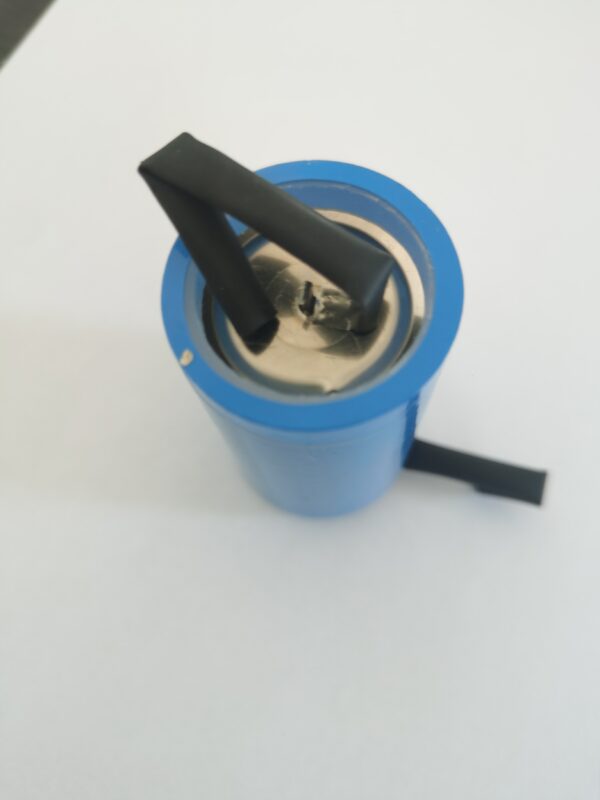
South Korea KFDA Approved Li-MnO₂ Medical Battery: A Comprehensive Guide for B2B Professionals
The regulatory landscape for medical device components continues to evolve globally, with South Korea’s KFDA (Korea Food & Drug Administration, now MFDS) setting stringent standards for battery technologies used in healthcare applications. For lithium primary battery manufacturers and medical device companies, understanding the KFDA approval process for Li-MnO₂ batteries is critical for market access and compliance. This article provides essential insights into the certification requirements, technical specifications, and commercial implications of KFDA-approved lithium manganese dioxide medical batteries.
Understanding KFDA/MFDS Medical Battery Certification
South Korea’s regulatory framework for medical device batteries has undergone significant refinement. While commonly referred to as KFDA certification, the regulatory body was officially renamed to MFDS (Ministry of Food and Drug Safety) in 2019. However, the industry continues to use the KFDA terminology when discussing medical battery approvals.
For Li-MnO₂ primary batteries intended for medical applications, certification involves multiple compliance layers. Medical device manufacturers must obtain either Medical Device Approval (MDA) or Medical Device License (MDL) before batteries can be legally integrated into healthcare products distributed in the Korean market. This regulatory structure ensures patient safety while maintaining product reliability standards.
Technical Requirements for Li-MnO₂ Medical Batteries
Lithium manganese dioxide batteries represent one of the most reliable primary battery chemistries for medical applications. The KFDA approval process evaluates several critical technical parameters:
Electrochemical Stability: Li-MnO₂ cells must demonstrate consistent voltage output throughout their operational lifecycle. Medical devices such as glucose monitors, implantable sensors, and emergency backup systems require predictable power delivery without unexpected voltage drops that could compromise patient safety.
Biocompatibility Standards: While the battery itself may not directly contact human tissue, KFDA regulations require comprehensive safety testing to ensure no hazardous material leakage occurs under normal or fault conditions. This includes testing for electrolyte containment, casing integrity, and thermal stability.
Long-term Reliability: Medical batteries must maintain performance specifications over extended storage periods. Li-MnO₂ chemistry offers excellent shelf life characteristics, typically exceeding 10 years with minimal capacity degradation, which aligns with KFDA expectations for medical device component longevity.
Quality Management System Compliance
KFDA certification extends beyond product testing to encompass manufacturing quality systems. Battery manufacturers seeking approval must demonstrate ISO 13485 compliance or equivalent medical device quality management standards. This includes:
- Documented traceability for all raw materials
- Controlled manufacturing environments with appropriate contamination prevention
- Comprehensive testing protocols at multiple production stages
- Established corrective action procedures for non-conformance incidents
Manufacturers should note that KFDA may conduct facility audits to verify quality system implementation. Preparation for these audits requires meticulous documentation and consistent adherence to established protocols.
Market Implications for B2B Stakeholders
For battery distributors and medical device manufacturers, KFDA-approved Li-MnO₂ batteries offer significant competitive advantages in the Asian healthcare market. South Korea represents a sophisticated medical technology sector with growing demand for reliable power solutions in portable diagnostic equipment, wearable health monitors, and emergency medical devices.
Companies sourcing KFDA-compliant batteries benefit from:
- Reduced time-to-market for medical device registrations
- Enhanced credibility with Korean healthcare procurement organizations
- Streamlined regulatory submissions for related Asian markets recognizing Korean certifications
- Lower risk of product recalls or compliance violations
Supply Chain Considerations
When evaluating Li-MnO₂ battery suppliers for medical applications, B2B purchasers should verify certification documentation thoroughly. Authentic KFDA approval includes specific registration numbers that can be cross-referenced with MFDS databases. Be cautious of suppliers claiming certification without providing verifiable documentation.
Lead times for certified medical batteries may exceed standard commercial products due to additional quality control requirements. Procurement planning should account for these extended timelines, particularly for devices requiring continuous power supply without interruption.
For detailed information about primary battery solutions and certification support, visit our product catalog. Our team specializes in medical-grade lithium primary batteries meeting international regulatory standards.
Future Regulatory Trends
The medical battery regulatory environment continues evolving with emerging technologies. KFDA/MFDS has indicated increased focus on battery tracking systems, requiring unique identification for medical device power sources. This trend supports recall management and post-market surveillance requirements.
Manufacturers should anticipate additional documentation requirements related to:
- Environmental compliance for battery disposal
- Enhanced testing for extreme condition performance
- Digital tracking integration for supply chain transparency
Conclusion
KFDA-approved Li-MnO₂ medical batteries represent a critical component for companies targeting the Korean healthcare market. Understanding the certification requirements, technical specifications, and quality management expectations enables informed decision-making for battery procurement and medical device development.
For organizations seeking partnership opportunities or requiring additional certification guidance, contact our specialized team through our contact page. We provide comprehensive support for medical battery selection, regulatory documentation, and supply chain management tailored to B2B requirements.
The convergence of reliable Li-MnO₂ chemistry with rigorous KFDA standards creates opportunities for manufacturers committed to quality and compliance. As medical device complexity increases, the importance of certified power solutions will continue growing, making early engagement with qualified battery suppliers essential for market success.
