
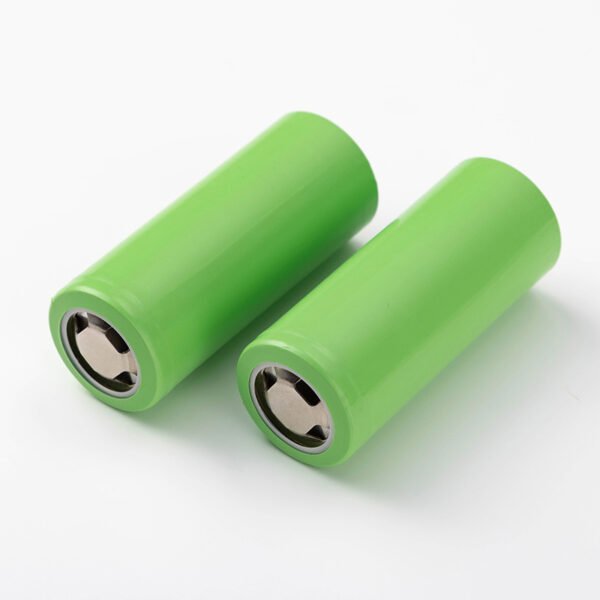
ATEX Certified Battery for Hazardous Industrial Environments
In today’s industrial landscape, safety remains paramount—especially when operating within hazardous environments where explosive atmospheres pose significant risks. For professionals sourcing power solutions for oil & gas facilities, chemical processing plants, mining operations, and pharmaceutical manufacturing across Europe, the Middle East, and North America, ATEX certified batteries represent the critical intersection of reliability and compliance. As a lithium primary battery specialist with extensive experience in hazardous location power systems, I understand that selecting the right battery goes beyond capacity specifications—it demands rigorous certification validation.
Understanding ATEX Certification: The Foundation of Explosive Atmosphere Safety
ATEX, derived from the French “ATmosphères EXplosibles,” constitutes the European Union’s mandatory regulatory framework for equipment used in potentially explosive environments. The current directive 2014/34/EU, which replaced 94/9/EC and became enforceable from April 20, 2016, establishes comprehensive requirements for all electrical and non-electrical equipment intended for use in hazardous zones.
For lithium primary batteries operating in these environments, ATEX certification validates that the battery design prevents ignition sources through multiple engineering controls. This includes intrinsic safety barriers, temperature limitation protocols, and mechanical protection against short-circuit conditions. Without proper ATEX certification, deploying batteries in Zone 0, Zone 1, or Zone 2 classified areas violates EU regulations and exposes operations to severe liability.
Technical Requirements for Lithium Primary Batteries in Hazardous Locations
Lithium metal primary batteries present unique advantages for hazardous environment applications—high energy density, extended shelf life exceeding 10 years, and stable performance across extreme temperature ranges from -40°C to +85°C. However, these characteristics demand specific engineering considerations for ATEX compliance.
Intrinsic Safety Design (Ex i): The most common protection method for battery-powered devices in hazardous areas. ATEX-certified lithium primary batteries incorporate current-limiting circuits and voltage regulation that ensure energy levels remain below ignition thresholds even under fault conditions. This certification category typically applies to Zone 1 and Zone 2 environments where explosive gas atmospheres may occur during normal operation or abnormal conditions.
Temperature Classification (T-Rating): ATEX certification requires batteries to operate within specific temperature classes (T1 through T6), with T6 representing the strictest limitation at 85°C maximum surface temperature. Lithium primary battery chemistry must demonstrate thermal stability under worst-case discharge scenarios, including external short-circuit testing per EN 60079-11 standards.
Mechanical Protection: Certified battery housings must withstand impact, vibration, and environmental ingress without compromising internal safety barriers. IP65 or higher protection ratings commonly accompany ATEX certification for industrial deployments across offshore platforms in the North Sea, refineries in Rotterdam, or chemical facilities in Antwerp.
Geographic Compliance Considerations for Global Operations
While ATEX certification remains mandatory for European Economic Area deployments, understanding complementary certification frameworks strengthens global supply chain strategies. IECEx certification provides international recognition across 50+ countries including Australia, Singapore, and Middle Eastern markets. For North American operations, UL Class I Division 1/2 or Class I Zone 0/1/2 certifications align with NEC Article 500/505 requirements.
Procurement teams managing multi-regional facilities should prioritize battery suppliers offering dual ATEX/IECEx certification, reducing qualification complexity and inventory fragmentation. This approach proves particularly valuable for EPC contractors executing projects across EU member states, GCC countries, and Asian industrial hubs simultaneously.
Selection Criteria for B2B Procurement Decision-Makers
When evaluating ATEX certified lithium primary battery suppliers, consider these critical factors:
Documentation Completeness: Request full EU Declaration of Conformity, Notified Body test reports, and traceable certification numbers verifiable through the European ATEX Product Database. Reputable manufacturers maintain transparent certification records accessible for audit purposes.
Application-Specific Validation: Ensure battery specifications match your zone classification, gas group (IIA, IIB, or IIC), and temperature class requirements. A battery certified for Zone 2 Group IIA applications cannot legally operate in Zone 1 Group IIC environments without additional certification.
Supply Chain Reliability: Hazardous location projects often span multiple years with maintenance requirements extending beyond 10-year equipment lifecycles. Verify manufacturer capacity for long-term production consistency and replacement battery availability.
Technical Support Infrastructure: Certified batteries require proper installation, maintenance documentation, and personnel training. Select suppliers offering comprehensive technical support across your operational regions, whether in Hamburg, Dubai, Houston, or Shanghai.
Partnering for Compliance and Performance
The convergence of safety regulations and operational efficiency demands battery solutions that deliver both certified compliance and proven performance. For organizations requiring ATEX certified lithium primary batteries for hazardous industrial environments, working with established manufacturers ensures documentation accuracy, technical validity, and supply chain stability.
Explore our comprehensive range of primary battery solutions engineered for demanding industrial applications with full certification support. Our technical team provides application-specific guidance for ATEX, IECEx, and UL hazardous location requirements across global markets.
For detailed certification documentation, technical specifications, or project-specific consultations, contact our specialist team to discuss your hazardous environment power requirements. We support procurement teams throughout Europe, North America, Middle East, and Asia-Pacific regions with localized technical assistance and compliance validation.
Ensuring workplace safety in explosive atmospheres begins with certified components. ATEX certified lithium primary batteries represent more than regulatory compliance—they embody engineering excellence that protects personnel, assets, and operational continuity across the world’s most demanding industrial environments.
