
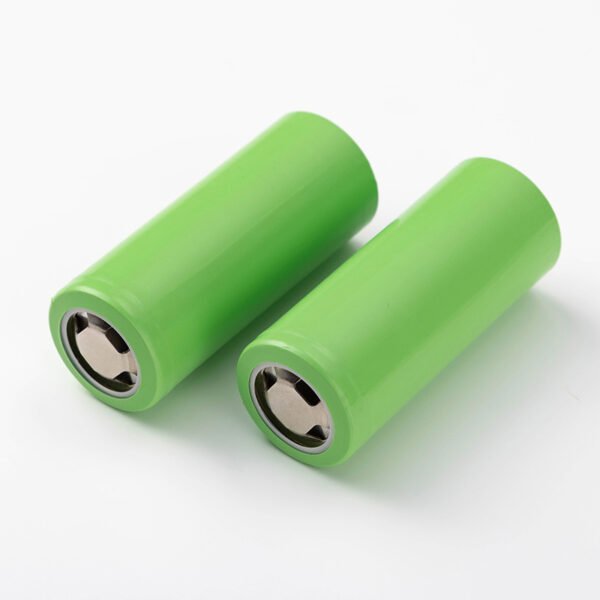
What Causes Li-S Battery Degradation in Radiation Environments?
Lithium-sulfur (Li-S) batteries have emerged as a promising energy storage solution for aerospace, satellite, and deep-space exploration applications due to their exceptional theoretical energy density of 2,600 Wh/kg. However, when deployed in radiation-intensive environments such as outer space, nuclear facilities, or high-altitude operations, these batteries face unique degradation challenges that significantly impact their performance and lifespan. Understanding the root causes of radiation-induced degradation is critical for engineers and technical procurement specialists evaluating Li-S battery systems for mission-critical applications.
Radiation-Induced Electrolyte Decomposition
The liquid electrolyte in Li-S batteries is particularly vulnerable to ionizing radiation. High-energy particles, including gamma rays, protons, and cosmic rays, can break down organic solvent molecules through radiolysis processes. This decomposition generates reactive free radicals and gaseous byproducts that increase internal pressure and reduce ionic conductivity.
When radiation exposure exceeds certain thresholds, the electrolyte’s dielectric properties deteriorate, leading to increased impedance and reduced power delivery capabilities. Ether-based electrolytes, commonly used in Li-S systems due to their compatibility with polysulfide species, show particular sensitivity to radiation damage compared to carbonate-based alternatives.
Polysulfide Shuttle Effect Amplification
Radiation exposure intensifies the notorious polysulfide shuttle effect inherent to Li-S chemistry. Ionizing radiation accelerates the dissolution of intermediate lithium polysulfides (Li₂Sₓ, 4≤x≤8) from the sulfur cathode into the electrolyte. These dissolved species migrate to the lithium anode, where they undergo parasitic reactions that consume active materials irreversibly.
The radiation-enhanced shuttle effect results in:
- Accelerated capacity fade during cycling
- Increased self-discharge rates during storage
- Formation of insulating layers on electrode surfaces
- Reduced coulombic efficiency over operational lifetime
Separator Structural Degradation
Polymeric separators in Li-S batteries experience radiation-induced chain scission and cross-linking effects. These structural changes alter pore morphology, reduce mechanical integrity, and compromise the separator’s ability to prevent direct contact between electrodes.
Radiation damage to separator materials manifests through:
- Increased porosity leading to enhanced polysulfide crossover
- Reduced thermal stability under operational conditions
- Dimensional changes affecting cell assembly integrity
- Diminished electrolyte retention capacity
Lithium Anode Surface Modifications
The lithium metal anode undergoes significant surface chemistry changes under radiation exposure. Radiation-induced defects in the solid electrolyte interphase (SEI) layer create non-uniform lithium deposition patterns, promoting dendrite formation. These dendrites can penetrate separators, causing internal short circuits and potential thermal runaway events.
Additionally, radiation accelerates the reaction between lithium metal and electrolyte components, consuming limited lithium inventory and increasing cell impedance over time.
Cathode Material Structural Changes
Sulfur cathodes experience radiation-induced crystalline structure modifications that affect electrochemical performance. High-energy particle bombardment can create defects in carbon-sulfur composite structures, reducing electrical conductivity and active material utilization.
The radiation damage to cathode architectures includes:
- Disruption of conductive carbon networks
- Sulfur phase transformations affecting reaction kinetics
- Reduced surface area for electrochemical reactions
- Accelerated mechanical degradation during volume expansion cycles
Mitigation Strategies for Radiation-Hardened Li-S Batteries
Engineers developing Li-S battery systems for radiation environments should consider several protective approaches:
Material Selection: Radiation-resistant electrolyte additives and high-molecular-weight polymer separators can improve system resilience. Solid-state electrolytes offer enhanced radiation tolerance compared to liquid alternatives.
Shielding Integration: Incorporating radiation shielding materials into battery pack designs reduces direct exposure to ionizing radiation while maintaining thermal management capabilities.
Redundancy Design: Implementing parallel battery configurations with isolation circuits ensures continued operation even if individual cells experience radiation-induced failures.
Pre-conditioning Protocols: Controlled radiation exposure during manufacturing can stabilize battery components before deployment in high-radiation environments.
Conclusion
Radiation-induced degradation in Li-S batteries represents a complex multi-factor challenge requiring comprehensive understanding of electrochemical, materials science, and radiation physics principles. For technical procurement specialists evaluating Li-S battery solutions for aerospace or nuclear applications, understanding these degradation mechanisms is essential for specifying appropriate safety margins and operational parameters.
Manufacturers continue developing radiation-hardened Li-S battery technologies through advanced material engineering and protective system designs. Organizations seeking reliable primary battery solutions for demanding environments should partner with experienced suppliers who understand these unique challenges and can provide appropriately qualified products.
For detailed technical specifications and consultation on radiation-tolerant battery solutions, visit our product page or contact our engineering team for application-specific recommendations.
This technical analysis provides foundational understanding for engineers evaluating Li-S battery performance in radiation environments. Specific application requirements should be discussed with qualified battery manufacturers to ensure optimal system design and operational safety.
