
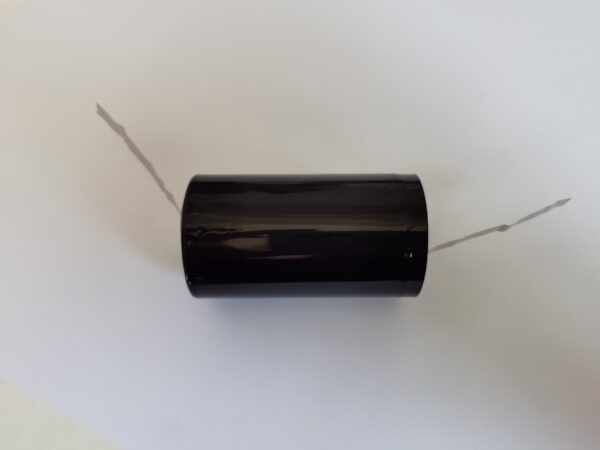
Li-SOCl₂ Battery for Industrial Valve Position Monitoring Sensors
In the rapidly expanding industrial IoT landscape, valve position monitoring sensors demand power solutions that deliver exceptional longevity, reliability, and performance under extreme conditions. The Lithium Thionyl Chloride (Li-SOCl₂) battery has emerged as the definitive choice for these critical applications, offering unmatched energy density and operational stability across diverse geographical markets including the European Union and United States.
Technical Foundation: Why Li-SOCl₂ Chemistry Matters
Li-SOCl₂ batteries operate on a primary lithium metal chemistry system with a nominal voltage of 3.6V. The electrochemical reaction involves lithium as the anode and thionyl chloride as both cathode active material and electrolyte solvent. This unique configuration delivers the highest specific energy among practical battery systems—reaching up to 590 Wh/kg and 1100 Wh/L. For valve position sensors deployed in remote or hazardous locations, this translates to 10-20 years of maintenance-free operation.
The chemistry’s inherent stability stems from the passive lithium surface film that forms during storage, minimizing self-discharge to less than 1% per year. This characteristic is crucial for industrial installations where battery replacement incurs significant operational costs and safety risks.
Critical Performance Parameters for Valve Monitoring Applications
Energy Density & Capacity Range: Li-SOCl₂ batteries are manufactured in various configurations from 400mAh cylindrical bobbin cells to 10,000Ah方形 systems. For typical valve position sensors consuming micro-ampere currents during sleep mode with periodic transmission pulses, ER14505 or ER18505 form factors provide optimal capacity-to-size ratios.
Operating Temperature Window: Industrial valve installations frequently encounter extreme environments from -55°C to +85°C. Quality Li-SOCl₂ cells maintain stable voltage output across this range, though engineers must account for voltage lag phenomena after high-temperature storage followed by low-temperature discharge. Advanced cell designs incorporate electrolyte additives to mitigate this effect.
Pulse Current Capability: Modern wireless valve sensors require high pulse currents (up to 100mA) for RF transmission while maintaining ultra-low quiescent current. Hybrid Li-SOCl₂ configurations with parallel capacitor support or BCX (BrCl-added) chemistry enhancements address pulse load requirements without compromising energy density.
Validation Testing Methodologies
Professional procurement teams should verify battery performance through standardized testing protocols:
IEC 60086 Compliance: International Electrotechnical Commission standards govern primary battery safety and performance testing. Key parameters include capacity verification at specified discharge rates, storage stability assessment, and temperature cycling validation.
UN 38.3 Transportation Testing: For global deployment, batteries must pass eight safety tests covering altitude simulation, thermal cycling, vibration, shock, external short circuit, impact, overcharge, and forced discharge. This certification is mandatory for air freight shipping to EU and US markets.
Application-Specific Load Profiling: Engineers should conduct field-simulated discharge testing using actual sensor current profiles. This includes measuring voltage recovery time after transmission pulses and verifying end-of-voltage (EOV) thresholds align with sensor electronics requirements.
Regional Compliance & CNS Product Advantages
Market access for industrial battery solutions requires navigation of distinct regulatory frameworks. In the European Union, valve monitoring systems deployed in potentially explosive atmospheres must comply with ATEX Directive 2014/34/EU, requiring CE + Ex marking. Li-SOCl₂ batteries used in Zone 1/Zone 2 classified areas need intrinsic safety certification per EN/IEC 60079 series standards.
For United States deployments, UL 1642 (Lithium Batteries) and ANSI/ISA 12.12.01 (Hazardous Locations) certifications demonstrate compliance with NEC Article 500 classification requirements. Additionally, Class I Division 2 ratings are essential for oil & gas valve monitoring installations.
CNS Battery has established comprehensive technical barriers addressing these regional requirements through dedicated R&D investment in cell chemistry optimization and certification portfolios. Their primary battery solutions undergo rigorous validation against both EU and US standards, ensuring seamless market entry for OEMs deploying valve position monitoring systems globally.
For technical specifications and compliance documentation, visit CNS Primary Battery Products. Engineering teams seeking application support or certification guidance can connect directly through CNS Battery Contact.
Conclusion: Strategic Battery Selection for Long-Term ROI
Selecting Li-SOCl₂ batteries for industrial valve position monitoring extends beyond initial cost considerations. The total cost of ownership favors premium cells offering verified capacity, documented compliance certifications, and manufacturer support for regional regulatory requirements. As industrial IoT deployments expand across Europe, North America, and emerging markets, battery suppliers demonstrating multi-regional certification portfolios provide critical supply chain security for system integrators and end-users alike.
