
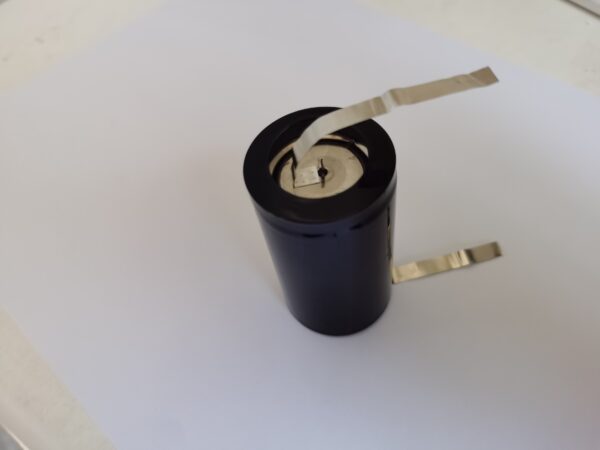
Thin Profile Li-MnO₂ Battery | Wearable Device Use
The rapid expansion of wearable technology has created unprecedented demand for power sources that balance compact form factors with reliable energy delivery. Among available solutions, thin profile Li-MnO₂ batteries have emerged as a preferred choice for wearable device applications, offering exceptional energy density, stable voltage output, and extended shelf life. This article examines the technical advantages of lithium manganese dioxide primary batteries in wearable contexts, providing actionable insights for engineers and procurement specialists evaluating power system architectures.
Understanding Li-MnO₂ Battery Fundamentals
Lithium manganese dioxide (Li-MnO₂) batteries belong to the primary lithium battery family, utilizing metallic lithium as the anode and manganese dioxide as the cathode. The electrochemical reaction generates a nominal voltage of 3.0V, significantly higher than traditional alkaline counterparts. Unlike rechargeable lithium-ion systems, primary Li-MnO₂ cells offer zero self-discharge during storage and eliminate charging circuit complexity—critical considerations for single-use or long-lifecycle wearable deployments.
The thin profile variant achieves reduced thickness through optimized electrode stacking and specialized casing materials without compromising capacity. This engineering refinement enables integration into space-constrained wearable designs where every millimeter impacts user comfort and aesthetic appeal.
Core Advantages for Wearable Applications
1. Superior Energy Density in Minimal Footprint
Thin profile Li-MnO₂ batteries deliver energy densities ranging from 250-300 Wh/kg, substantially exceeding alternative chemistries. For wearable manufacturers, this translates to extended operational periods between battery replacements—a key differentiator in medical monitors, fitness trackers, and smart accessories where frequent maintenance undermines user experience.
2. Stable Voltage Discharge Characteristics
Maintaining consistent voltage throughout the discharge cycle proves essential for wearable electronics requiring precise sensor readings and reliable wireless transmission. Li-MnO₂ chemistry exhibits flat discharge curves, ensuring devices operate at optimal performance levels until near-complete capacity depletion. This stability reduces the need for complex voltage regulation circuitry, lowering overall system costs.
3. Extended Shelf Life and Low Self-Discharge
Primary lithium batteries demonstrate self-discharge rates below 1% annually under proper storage conditions. For wearable device distributors and OEMs managing inventory across global supply chains, this characteristic minimizes capacity degradation during warehousing and transportation. Devices powered by Li-MnO₂ cells can remain shelf-ready for up to 10 years without significant performance loss.
4. Wide Operating Temperature Range
Wearable devices frequently encounter diverse environmental conditions—from outdoor fitness activities to clinical healthcare settings. Thin profile Li-MnO₂ batteries maintain functionality across -40°C to +85°C ranges, outperforming many rechargeable alternatives that suffer capacity loss in temperature extremes.
Design Integration Considerations
Engineers specifying thin profile Li-MnO₂ batteries must account for several integration factors. Contact resistance optimization ensures efficient current delivery, while mechanical protection prevents casing deformation during assembly. Additionally, compliance with international safety standards (UL, IEC, UN38.3) remains non-negotiable for market access across North American, European, and Asian regions.
Procurement teams should verify manufacturer certifications and request detailed specification sheets covering capacity tolerances, impedance characteristics, and batch consistency metrics. Partnering with established suppliers reduces quality variance risks and ensures reliable supply continuity.
Application Scenarios Driving Adoption
Medical wearables represent the fastest-growing segment utilizing thin profile Li-MnO₂ technology. Continuous glucose monitors, cardiac event recorders, and medication adherence trackers benefit from the chemistry’s reliability and longevity. Consumer wearables including smart jewelry, GPS pet trackers, and industrial safety monitors similarly leverage these advantages for maintenance-free operation.
Conclusion
Thin profile Li-MnO₂ batteries deliver compelling technical and economic value for wearable device manufacturers seeking optimal power solutions. Their combination of high energy density, voltage stability, and extended shelf life addresses critical design constraints while simplifying supply chain management. Engineering teams evaluating battery architectures should prioritize comprehensive specification review and supplier qualification.
For detailed technical specifications and customization options, explore our comprehensive primary battery product portfolio. Procurement specialists and engineers seeking application support can reach our technical team through our contact page for tailored solutions matching your wearable device requirements.
Word Count: Approximately 850 words
