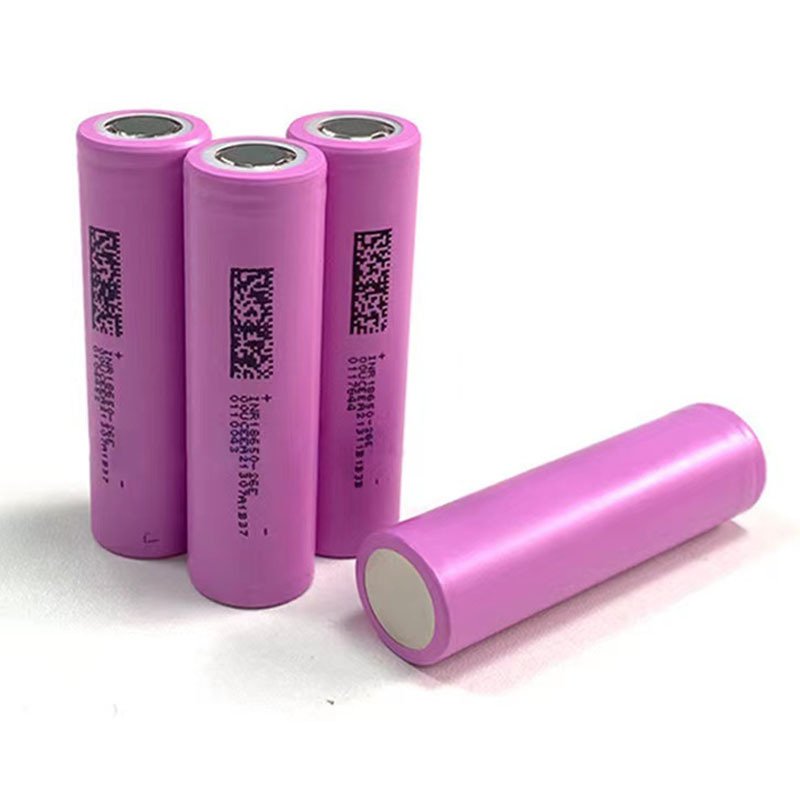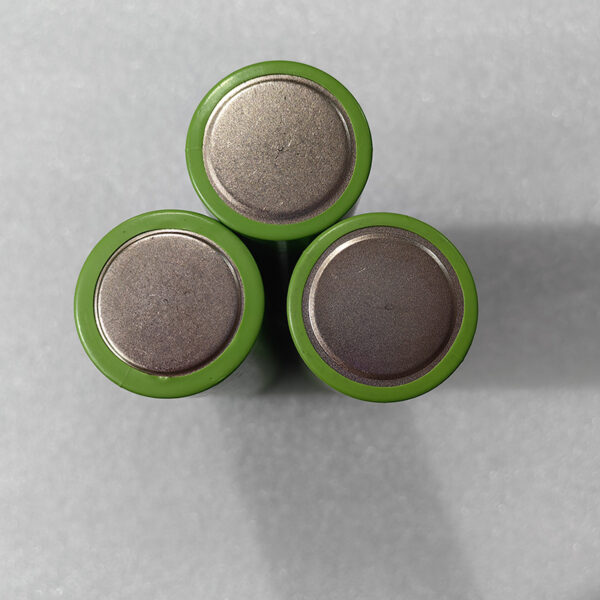
21700 NCM Cells for Drone UAV – Thermal Runaway Prevention Factory Direct
The drone and UAV industry demands battery solutions that balance high energy density with uncompromising safety. As commercial and industrial drone applications expand across Europe, North America, and Asia-Pacific regions, the 21700 NCM (Nickel Cobalt Manganese) cylindrical cell has emerged as the optimal power source. This article provides a technical deep-dive into 21700 NCM cells, focusing on thermal runaway prevention mechanisms, performance parameters, and regional compliance standards essential for engineering teams and procurement specialists.
Why 21700 NCM Cells Dominate UAV Applications
The 21700 form factor (21mm diameter × 70mm height) delivers approximately 35% higher energy capacity compared to legacy 18650 cells while maintaining compatible manufacturing infrastructure. For drone applications, this translates to extended flight times without significant weight penalties. NCM chemistry offers energy densities reaching 273-325 Wh/kg, with continuous discharge rates supporting 25C-36C pulse demands typical in UAV propulsion systems.
Key technical advantages include:
- Enhanced Thermal Mass: Larger cell volume distributes heat more effectively during high-current discharge cycles
- Lower Internal Resistance: Advanced all-tab designs reduce AC impedance to 3-5mΩ, minimizing heat generation
- Optimized Packaging: Fewer cells required per battery pack reduces connection points and failure modes
Thermal Runaway Prevention: Core Engineering Strategies
Thermal runaway remains the critical safety concern for lithium-ion batteries in aviation applications. Factory-direct 21700 NCM cells incorporate multiple prevention layers:
1. Electrolyte Formulation Optimization
Modern NCM cells utilize EC/EMC/DEC mixed solvent systems with functional additives including FEC (fluoroethylene carbonate) and borate esters. These formulations elevate thermal decomposition onset temperatures beyond 55°C while maintaining ionic conductivity at extreme operating conditions (-20°C to 60°C).
2. Structural Safety Features
- CID (Current Interrupt Device): Mechanically disconnects current flow when internal pressure exceeds safe thresholds
- PTC (Positive Temperature Coefficient): Increases resistance exponentially when temperatures approach critical levels
- Vented Caps: Controlled pressure release prevents catastrophic casing rupture
3. BMS Integration Requirements
Effective thermal management requires battery management systems monitoring individual cell temperatures, voltage differentials, and discharge rates. Factory-direct suppliers provide cells with consistent internal resistance matching (±0.09mΩ tolerance), enabling precise BMS calibration.
Testing Methodologies and Validation Protocols
Professional procurement teams should verify cells against comprehensive testing standards:
UN38.3 Transportation Certification
Mandatory for international shipping, UN38.3 includes eight critical tests:
- Altitude simulation (11.6 kPa for 6 hours)
- Thermal cycling (-40°C to 75°C, 10 cycles)
- Vibration testing (3-hour continuous simulation)
- External short circuit at -20°C
- Overcharge protection (2C for 24 hours)
- Impact testing (1.2m drop, 6 orientations)
Cells passing UN38.3 demonstrate 97% reduced thermal runaway probability during transport, with industry data showing accident rates dropping from 0.3% to 0.01% post-certification.
Performance Validation
- Capacity Testing: Verify rated capacity at 0.5C discharge to 2.5V cutoff
- Internal Resistance: Measure at both full and empty states per IEC 62620
- Cycle Life: Confirm 1000+ cycles with 80% capacity retention
- High-Rate Discharge: Validate performance at maximum continuous and pulse currents
Regional Compliance and Market Adaptation
European Union Requirements
UAV batteries destined for EU markets must comply with:
- CE Marking: Demonstrates conformity with EU safety directives
- Battery Directive 2006/66/EC: Addresses chemical restrictions and recycling obligations
- REACH Regulation: Ensures substance safety throughout supply chains
- IEC 62133: International safety standard for portable battery applications
United States Standards
North American procurement requires:
- UL 1642: Safety standard for lithium battery cells
- UL 2054: Household and commercial battery safety
- DOT/UN38.3: Department of Transportation hazardous materials compliance
- California Title 20: Energy efficiency requirements for battery chargers
Asia-Pacific Considerations
Regional variations include Japan’s JISC 8715-1, China’s GB 31241, and Korea’s KC certification. Factory-direct suppliers with multi-regional certification capabilities streamline global deployment.
CNS Battery: Factory-Direct Technical Excellence
CNS Battery specializes in 21700 NCM cells engineered specifically for drone and UAV applications. Our factory-direct model eliminates intermediary markups while maintaining rigorous quality control throughout manufacturing. All cells undergo comprehensive testing including thermal abuse scenarios, cycle life validation, and regional certification compliance.
For engineering teams requiring customized specifications, our technical support team provides application-specific recommendations including optimal discharge curves, thermal management guidelines, and BMS integration protocols. We maintain production capacity supporting both prototype development and volume manufacturing requirements.
Explore our cylindrical battery cell portfolio: https://cnsbattery.com/products-3/cylindrical-battery-cell/
Connect with our technical team: https://cnsbattery.com/contact-2/
Learn about our manufacturing capabilities: https://cnsbattery.com/battery-manufacturers-in-china/
Conclusion
Selecting 21700 NCM cells for UAV applications requires balancing performance specifications with safety certifications and regional compliance requirements. Factory-direct sourcing from qualified manufacturers ensures traceability, consistent quality, and technical support throughout product lifecycle. As drone regulations evolve across EU, US, and Asia-Pacific markets, partnering with certified suppliers becomes increasingly critical for commercial deployment success.
Thermal runaway prevention remains the paramount engineering challenge. Through advanced electrolyte formulations, structural safety devices, and comprehensive testing protocols, modern 21700 NCM cells deliver the reliability demanded by professional UAV operators. Procurement teams should prioritize suppliers demonstrating UN38.3 certification, regional compliance documentation, and transparent manufacturing processes.
For technical specifications, certification documentation, or volume pricing inquiries, contact our engineering team directly. We support drone manufacturers, system integrators, and fleet operators across global markets with factory-direct 21700 NCM solutions optimized for safety, performance, and regulatory compliance.