

2026 LFP Cylindrical Battery Supplier: Fix Low MOQ in E-bike Using 18650 Cells Low Price High Quality
The e-bike industry continues its rapid expansion in 2026, with manufacturers increasingly seeking reliable lithium battery solutions that balance cost, quality, and flexibility. For B2B buyers, finding a LFP cylindrical battery supplier that offers low minimum order quantities (MOQ) without compromising on quality remains a critical challenge. This article addresses how 18650 LFP cells provide an optimal solution for e-bike applications, delivering high safety standards, extended cycle life, and competitive pricing for businesses of all scales.
Why LFP 18650 Cells Are the Preferred Choice for E-Bike Manufacturers
Lithium Iron Phosphate (LFP) chemistry has become the industry standard for e-bike batteries due to its superior thermal stability and safety profile compared to traditional NCM chemistries. The 18650 cylindrical format offers several distinct advantages:
Enhanced Safety Performance: LFP cells feature exceptional thermal runaway resistance, operating safely within a temperature range of -20°C to 75°C. This makes them ideal for diverse climate conditions where e-bikes operate globally.
Extended Cycle Life: Quality 18650 LFP cells deliver 2000-5000 charge cycles at 80% depth of discharge, significantly reducing total cost of ownership for end users and enhancing brand reputation for manufacturers.
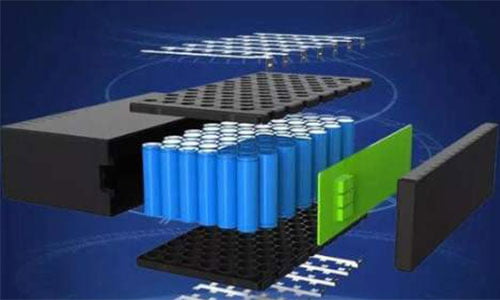
Standardized Dimensions: The 18mm diameter × 65mm length format enables modular pack design flexibility, allowing manufacturers to configure battery packs for various voltage requirements (24V, 36V, 48V, 52V) without custom tooling investments.
Solving the Low MOQ Challenge for Small and Medium E-Bike Brands
Traditional battery suppliers often impose MOQ requirements of 10,000+ cells, creating barriers for emerging e-bike brands and small-batch producers. The solution lies in partnering with flexible suppliers who understand market dynamics.
Flexible Order Quantities: Progressive suppliers now offer MOQ starting from 100-500 pieces for 18650 LFP cells, enabling prototype development, market testing, and small production runs without excessive inventory costs.
Scalable Production Support: As your business grows, established suppliers can seamlessly scale from hundreds to hundreds of thousands of cells while maintaining consistent quality standards and delivery timelines.
Sample Availability: Reputable manufacturers provide sample cells for testing and validation before bulk orders, reducing development risk and ensuring compatibility with your battery management systems.
For detailed product specifications on cylindrical battery cells, visit our cylindrical battery cell product page.
Technical Specifications That Matter for E-Bike Applications
When evaluating 18650 LFP cells for e-bike battery packs, focus on these critical parameters:
| Specification | Industry Standard | Premium Grade |
|---|---|---|
| Nominal Capacity | 2000-2500mAh | 2800-3500mAh |
| Continuous Discharge | 3C-5C | 5C-10C |
| Cycle Life | 2000 cycles | 3000+ cycles |
| Energy Density | 90-110 Wh/kg | 120-140 Wh/kg |
| Operating Temperature | -10°C to 60°C | -20°C to 75°C |
BMS Compatibility: Ensure cells feature consistent internal resistance (±3mΩ variance) for optimal battery management system performance and balanced pack operation.
Certification Requirements: Verify UN38.3, CE, RoHS, and IEC62133 certifications for international market access, particularly for European and North American distribution.
Cost Optimization Without Quality Compromise
Achieving low price points while maintaining high quality requires strategic supplier selection and volume planning:
Direct Manufacturer Partnerships: Working directly with certified battery manufacturers eliminates distributor markups, typically reducing unit costs by 15-25%.
Long-term Supply Agreements: Committing to quarterly or annual purchase volumes secures preferential pricing while maintaining order flexibility.
Quality Verification: Implement incoming quality control protocols including capacity testing, internal resistance measurement, and visual inspection to ensure consistent cell performance.
For businesses seeking reliable manufacturing partners in China, explore our comprehensive guide on battery manufacturers in China.
Supply Chain Reliability in 2026 Market Conditions
Global supply chain dynamics continue to influence battery availability and pricing. Key considerations for 2026 procurement:
Lead Time Management: Quality suppliers maintain 4-8 week lead times for standard 18650 LFP cells, with expedited options available for urgent projects.
Inventory Buffering: Strategic suppliers maintain safety stock levels to accommodate demand fluctuations and prevent production disruptions.
Geographic Diversification: Multi-facility manufacturing networks reduce risk from regional disruptions and enable optimized shipping routes to your assembly locations.
Partnership Approach for Long-term Success
Selecting the right LFP cylindrical battery supplier extends beyond pricing considerations. Evaluate potential partners based on:
- Technical support capabilities for pack design optimization
- Quality management system certifications (ISO9001, IATF16949)
- After-sales support and warranty terms
- Communication responsiveness and transparency
For direct inquiries about 18650 LFP cell specifications, pricing, and customization options, contact our team for personalized consultation.
Conclusion
The 2026 e-bike market demands battery solutions that combine safety, longevity, and cost-effectiveness. 18650 LFP cylindrical cells represent the optimal balance for manufacturers seeking to scale production while managing inventory risk. By partnering with flexible suppliers offering low MOQ, competitive pricing, and verified quality standards, e-bike brands can accelerate market entry and build sustainable competitive advantages.
Focus on establishing long-term supplier relationships that grow with your business, prioritize technical compatibility over marginal cost savings, and maintain rigorous quality verification protocols throughout your supply chain. The right battery partner becomes a strategic asset in your journey toward e-bike market leadership.


