Solve Thermal Runaway Problems with High-Quality 46135 LiFePO4 Cells in Emergency Lighting | Wholesale Bulk Low Price
Introduction: Addressing Critical Safety Challenges in Emergency Lighting Systems
Thermal runaway remains one of the most significant safety concerns in emergency lighting applications worldwide. As regulatory bodies across the European Union, United States, and other key markets strengthen battery safety requirements, engineering teams and technical purchasers must prioritize cell chemistry selection and thermal management strategies. High-quality 46135 LiFePO4 (Lithium Iron Phosphate) cylindrical cells offer a proven solution for mitigating thermal runaway risks while delivering reliable performance in emergency lighting systems. This technical analysis examines the intrinsic safety advantages of 46135 LiFePO4 chemistry, validation testing protocols, and regional compliance considerations for global market deployment.
Understanding Thermal Runaway Mechanisms in Emergency Lighting Applications
Thermal runaway occurs when excessive heat generation within a battery cell triggers uncontrollable exothermic reactions, potentially leading to fire or explosion. In emergency lighting installations—often deployed in commercial buildings, hospitals, and industrial facilities—this risk carries significant liability implications. Unlike NMC (Nickel Manganese Cobalt) or LCO (Lithium Cobalt Oxide) chemistries, LiFePO4 cells feature stronger phosphorus-oxygen bonds that remain stable at elevated temperatures, fundamentally reducing thermal runaway probability.
The 46135 cylindrical format (46mm diameter, 135mm height) provides enhanced surface-area-to-volume ratios compared to larger prismatic cells, facilitating more efficient heat dissipation during operation. This geometric advantage becomes critical in enclosed emergency lighting housings where airflow may be limited.
Key Parameter Advantages of 46135 LiFePO4 Cells
Thermal Stability: LiFePO4 chemistry demonstrates thermal runaway onset temperatures exceeding 270°C, significantly higher than NMC alternatives (~150-200°C). This extended safety margin provides crucial buffer time for protective circuit intervention during abnormal conditions.
Cycle Life Performance: Quality 46135 LiFePO4 cells deliver 3,000-5,000 full discharge cycles at 80% depth-of-discharge, translating to 10+ years of service in emergency lighting applications where batteries remain in float charge状态 with periodic discharge testing.
Current Handling Capability: The cylindrical 46135 format supports continuous discharge rates of 1C-3C with peak capabilities reaching 5C, accommodating emergency lighting load requirements including LED arrays and control electronics during power failure events.
Internal Resistance: Premium-grade 46135 cells maintain internal resistance below 8mΩ, minimizing heat generation during charging and discharging operations. Lower internal resistance directly correlates with reduced thermal stress during extended standby periods.
For detailed specifications on cylindrical battery cell options, visit: https://cnsbattery.com/products-3/cylindrical-battery-cell/
Validation Testing Methodologies for Thermal Safety Assurance
Engineering teams should implement comprehensive testing protocols before deploying 46135 LiFePO4 cells in emergency lighting systems. The following test methodologies align with international safety standards:
IEC 62619 Compliance Testing: This industrial battery safety standard mandates external short-circuit testing, forced discharge evaluation, thermal abuse assessment, and mechanical shock validation. Cells must demonstrate no fire, explosion, or electrolyte leakage under specified test conditions. IEC 62619 certification is increasingly required for European market access and serves as a recognized benchmark for global procurement specifications.
UL 1973 Stationary Energy Storage Testing: For North American deployments, UL 1973 provides additional validation for stationary battery applications. Testing includes overcharge tolerance, external fire exposure resistance, and thermal propagation prevention between cells within a battery pack configuration.
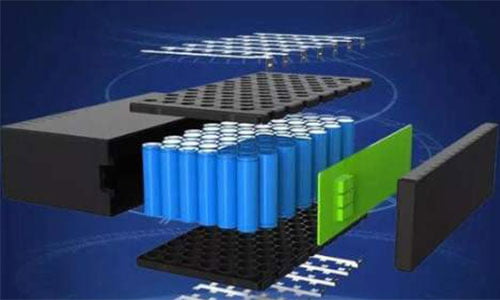
Thermal Propagation Testing: Engineering teams should conduct cell-to-cell thermal propagation assessments to verify that a single cell failure does not cascade through the battery pack. Proper spacing, thermal barriers, and cell selection minimize propagation risks in multi-cell emergency lighting battery assemblies.
Accelerated Life Testing: Temperature cycling between -20°C to +60°C combined with repeated charge-discharge cycling validates long-term performance stability under realistic operating conditions. This testing identifies potential degradation mechanisms before field deployment.
Regional Compliance and Market-Specific Technical Requirements
European Union Market Access: The EU Battery Regulation (2023/1542) establishes stringent requirements for industrial batteries including emergency lighting applications. Compliance demands include carbon footprint declarations, recycled content minimums, and end-of-life recycling protocols. IEC 62619 testing reports serve as foundational documentation for CE marking processes. Manufacturers targeting EU markets must also prepare for digital battery passport requirements becoming mandatory by 2027.
United States Regulatory Framework: NFPA 101 Life Safety Code and NFPA 70 National Electrical Code govern emergency lighting installation requirements across US jurisdictions. While battery chemistry is not explicitly mandated, UL-listed components simplify approval processes. States including California maintain additional energy storage safety regulations under Title 24 building codes.
Asia-Pacific Considerations: Markets such as Australia, Japan, and South Korea recognize IEC 62619 testing but may require additional local certification through bodies like SAA (Australia) or PSE (Japan). Temperature extremes in regional climates necessitate validation testing at location-specific operating conditions.
Supply Chain Considerations for Wholesale Procurement
Technical purchasers evaluating 46135 LiFePO4 cells for emergency lighting production should verify manufacturer qualifications beyond unit pricing. Critical assessment factors include:
- ISO 9001 quality management certification
- IATF 16949 automotive-grade manufacturing processes (indicating elevated quality controls)
- Traceability systems for raw material sourcing
- Consistency metrics (capacity variation <3% within production batches)
- Technical support availability for integration assistance
Established battery manufacturers in China offer competitive pricing while maintaining international quality standards. However, procurement teams should conduct factory audits and request sample testing before committing to large-volume orders. For verified manufacturer partnerships, reference: https://cnsbattery.com/battery-manufacturers-in-china/
Conclusion: Strategic Implementation for Global Emergency Lighting Deployments
High-quality 46135 LiFePO4 cells represent a technically sound solution for addressing thermal runaway concerns in emergency lighting applications. The inherent chemical stability of LiFePO4 chemistry, combined with the thermal management advantages of cylindrical cell formats, provides engineering teams with reliable foundation for safety-critical installations.
Successful deployment requires alignment with regional compliance frameworks including IEC 62619 for European markets and UL standards for North American installations. Technical purchasers should prioritize manufacturers demonstrating consistent quality control, comprehensive testing documentation, and responsive technical support capabilities.
As global battery regulations continue evolving toward stricter safety and sustainability requirements, early adoption of validated LiFePO4 solutions positions emergency lighting manufacturers for streamlined compliance and reduced liability exposure. For technical consultation and procurement inquiries, contact: https://cnsbattery.com/contact-2/
Investment in premium 46135 LiFePO4 cells delivers measurable returns through extended service life, reduced warranty claims, and enhanced market access across regulated territories. Engineering teams should integrate thermal safety validation into product development cycles from initial design phases rather than treating compliance as post-development verification.