
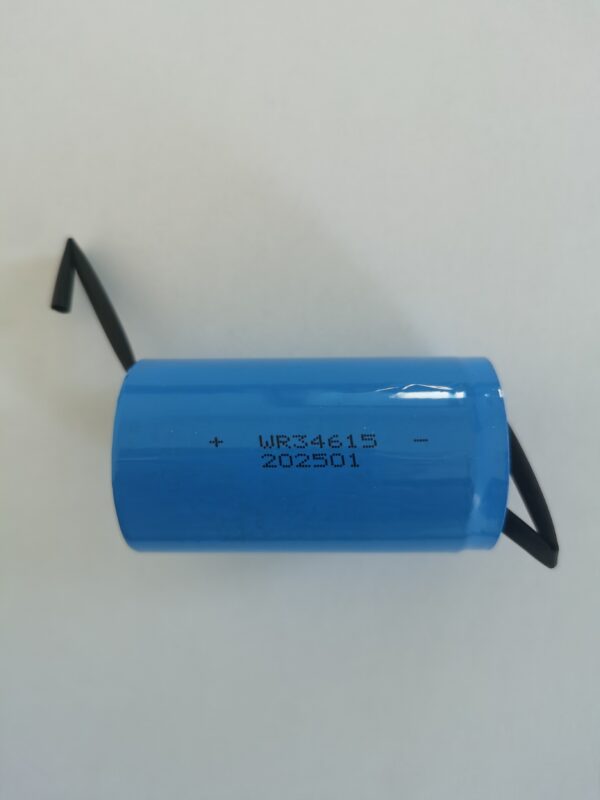
Li-SOCl₂ Battery for Fire Alarm Control Panel Backup Power
Fire alarm control panels represent critical life-safety infrastructure that demands unwavering reliability. When primary power fails, the backup battery system becomes the sole guardian of continuous operation. Among all available chemistries, Lithium Thionyl Chloride (Li-SOCl₂) primary batteries have emerged as the industry-preferred solution for fire alarm backup power across North America, Europe, and Asia-Pacific markets. This article examines why Li-SOCl₂ technology delivers superior performance for fire safety applications and what specification parameters matter most for system integrators and facility managers.
Why Li-SOCl₂ Chemistry Excels in Fire Alarm Applications
Li-SOCl₂ batteries operate through the electrochemical reaction: 4Li + 2SOCl₂ → 4LiCl + S + SO₂. This chemistry produces a nominal voltage of 3.6V per cell with exceptional energy density reaching up to 590 Wh/kg. For fire alarm control panels requiring long-term standby power with occasional high-current alarm activation, this combination proves unmatched.
The bobbin-type construction commonly used in fire alarm applications minimizes self-discharge to less than 1% annually at ambient temperatures. This translates to 10-15 years of service life without replacement—critical for installations where maintenance access proves challenging or costly. Unlike rechargeable alternatives, Li-SOCl₂ primary batteries eliminate concerns about capacity degradation from incomplete charge cycles or temperature-induced aging.
Critical Technical Specifications for Fire Alarm Compliance
Voltage Stability Under Load: Fire alarm panels typically operate within 24V DC systems, requiring six to eight Li-SOCl₂ cells in series configurations. Quality cells maintain voltage above 3.0V even under 100mA pulse loads during alarm conditions. Voltage depression (delay) remains minimal when proper cell design incorporates hybrid layer capacitors for high-current pulse support.
Operating Temperature Range: International standards including EN 54 and NFPA 72 require backup power systems functioning from -10°C to +55°C. Premium Li-SOCl₂ batteries deliver consistent performance across -55°C to +85°C, providing substantial safety margins for unconditioned equipment rooms or outdoor enclosure installations common in industrial facilities.
Capacity Verification: UL 864 and EN 54-4 standards mandate 24-hour standby plus 4-minute alarm capacity. System designers must calculate total load including detector quiescent current, panel electronics, and notification appliances. A typical 19Ah ER18505 cell can support 200mA standby load for over 90 hours, exceeding minimum requirements with substantial reserve for aging compensation.
Regional Regulatory Considerations
North America: NFPA 72 Chapter 10 specifies battery calculations requiring 120% of calculated load for lead-acid equivalents. Li-SOCl₂ installations benefit from lower degradation rates, though AHJ (Authority Having Jurisdiction) approval remains essential. UL recognition for specific cell models simplifies compliance documentation.
European Union: EN 54-4:2020 addresses power supply requirements for fire detection systems. CE marking requires demonstration of 30-day standby capability under worst-case conditions. Many European manufacturers specify Li-SOCl₂ batteries for addressable systems where maintenance intervals extend beyond conventional chemistries.
Asia-Pacific: Regional variations exist, with Japan’s Fire Service Act and Australia’s AS 1670.1 both recognizing lithium primary batteries for specified applications. Import certifications and local testing requirements vary by country, necessitating supplier verification before specification.
Safety and Transport Compliance
Li-SOCl₂ batteries classify as UN 3090 (lithium metal batteries) for transport purposes. The 2025-2026 IATA DGR updates require state-of-charge documentation and specific packaging for air shipments. For ground installation projects, proper handling procedures prevent short-circuit hazards during panel commissioning. Quality manufacturers provide safety data sheets, transport declarations, and installation guidelines supporting regulatory compliance throughout the supply chain.
Selection Criteria for System Integrators
When evaluating Li-SOCl₂ suppliers, verify the following:
- Certification Documentation: UL, CE, or equivalent third-party testing reports
- Pulse Current Capability: Minimum 100mA continuous with 500mA pulse support for 30 seconds
- Shelf Life Warranty: Minimum 5 years from manufacture date with guaranteed capacity retention
- Technical Support: Application engineering availability for system design verification
- Supply Chain Stability: Consistent production capacity preventing project delays
For comprehensive product specifications and technical consultation, visit our primary battery product range. Our engineering team supports system designers with load calculations, compliance documentation, and application-specific recommendations across global markets.
Conclusion
Li-SOCl₂ battery technology delivers the reliability, longevity, and performance consistency that fire alarm control panels demand. As life-safety systems evolve toward addressable architectures with increased standby loads, the energy density advantages of lithium thionyl chloride become increasingly valuable. System integrators specifying quality Li-SOCl₂ backup power solutions protect both their installations and their reputations while ensuring continuous life-safety coverage throughout the battery service life.
For technical inquiries and project support, contact our team at https://cnsbattery.com/primary-battery-contact-us/. We provide application engineering support, compliance documentation, and competitive pricing for fire alarm system manufacturers and distributors worldwide.
