
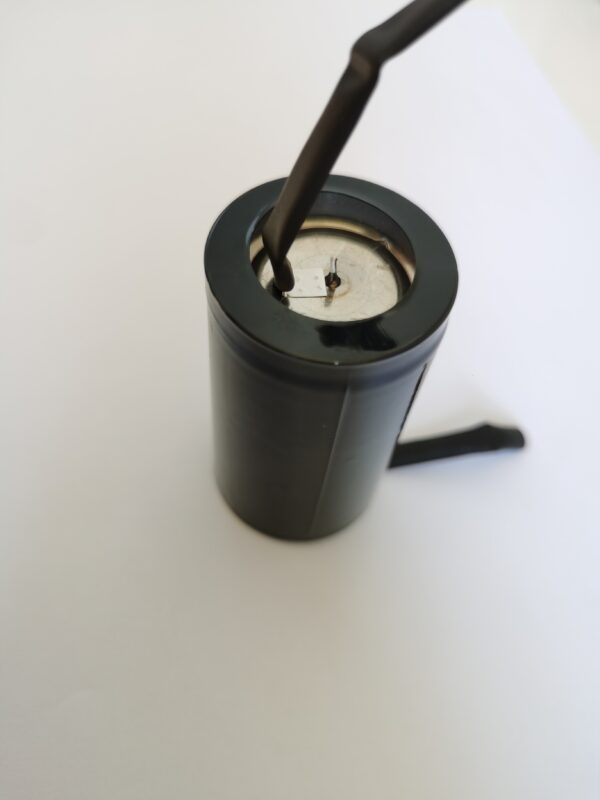
US UL 1642 Certified Lithium Primary Batteries
In the global industrial battery marketplace, safety certification stands as the cornerstone of product credibility and regulatory compliance. For businesses sourcing lithium primary batteries, understanding UL 1642 certification is not merely optional—it is essential for market access, liability protection, and end-user trust. This article examines the technical foundations, compliance requirements, and strategic advantages of UL 1642 certified lithium metal batteries from a professional industry perspective.
Understanding UL 1642 Certification
UL 1642 is the Underwriters Laboratories standard specifically developed for lithium primary and secondary batteries. This certification evaluates battery cells against rigorous safety criteria including thermal stability, mechanical integrity, electrical abuse tolerance, and environmental resistance. For lithium primary (non-rechargeable) batteries, UL 1642 certification demonstrates that cells have passed comprehensive testing protocols covering short-circuit conditions, crushing, impact, temperature cycling, and overcharge scenarios.
The certification process involves independent third-party testing at UL-recognized laboratories. Manufacturers must submit battery samples along with detailed technical documentation including cell chemistry specifications, manufacturing processes, and quality control procedures. Upon successful completion, certified products receive UL marking authorization, enabling legal distribution across North American markets and enhancing credibility in European and Asian territories.
Technical Requirements for Compliance
Cell Chemistry Validation: UL 1642 requires thorough documentation of electrochemical systems. Common lithium primary chemistries include Li-MnO₂, Li-SOCl₂, Li-SO₂, and Li-CFx. Each chemistry presents unique safety profiles that must be evaluated against standard thresholds for thermal runaway initiation and propagation.
Mechanical Safety Testing: Certified cells undergo crush testing (13kN force), impact testing (1.3kg weight from 61cm height), and vibration testing simulating transportation conditions. These assessments verify that internal separators maintain integrity under physical stress, preventing internal short circuits that could trigger thermal events.
Thermal Abuse Resistance: Temperature testing ranges from -40°C to +85°C for storage conditions, with additional heating tests up to 150°C to evaluate thermal stability margins. Cells must demonstrate no fire, explosion, or leakage throughout these extreme conditions.
Electrical Safety Protocols: External short-circuit testing verifies that cells can withstand direct terminal connections without catastrophic failure. Internal resistance monitoring ensures consistent performance across production batches.
Strategic Advantages for B2B Buyers
Regulatory Market Access: UL 1642 certification facilitates entry into regulated markets including the United States, Canada, and regions adopting UL standards. Many distribution channels, insurance providers, and end-user specifications mandate UL certification as a minimum procurement requirement.
Liability Risk Mitigation: Certified batteries reduce manufacturer and distributor liability exposure. In the event of field incidents, UL certification provides documented evidence of due diligence in product safety selection.
Supply Chain Credibility: B2B purchasers increasingly require certification documentation for vendor qualification processes. UL 1642 marking streamlines procurement approval cycles and strengthens supplier relationships.
Quality Consistency Indicators: The certification process includes follow-up services with periodic factory audits and production sampling. This ongoing oversight ensures maintained compliance throughout product lifecycle, not merely at initial certification.
Geographic Market Considerations
For North American operations, UL 1642 remains the predominant safety standard referenced by the National Electrical Code (NEC) and Occupational Safety and Health Administration (OSHA) guidelines. European markets increasingly recognize UL certification alongside IEC 60086-4 standards, while Asian manufacturers often pursue dual certification for export flexibility.
Regional distribution centers in California, Texas, and New York frequently require UL documentation for warehouse acceptance. Similarly, logistics providers serving aerospace, medical device, and industrial equipment sectors mandate certified battery specifications for cargo classification.
Selection Criteria for Industrial Applications
When evaluating UL 1642 certified lithium primary batteries, B2B buyers should verify:
- Current certification status through UL Product iQ database
- Specific cell model numbers matching certified configurations
- Manufacturing date codes within certification validity periods
- Complete technical data sheets including safety test reports
- Traceability documentation for quality assurance audits
Conclusion
UL 1642 certification represents more than regulatory compliance—it embodies commitment to safety excellence, quality consistency, and market professionalism. For businesses integrating lithium primary batteries into industrial equipment, medical devices, IoT sensors, or emergency systems, certified products provide measurable risk reduction and competitive advantage.
Partner with experienced manufacturers who maintain active UL certification programs and transparent compliance documentation. For detailed product specifications and certification verification, explore our comprehensive primary battery portfolio. Our technical team stands ready to support your procurement requirements with certified solutions meeting global safety standards.
Contact our international sales division for certification documentation, custom specifications, and volume pricing: https://cnsbattery.com/primary-battery-contact-us/
Investing in UL 1642 certified lithium primary batteries protects your brand reputation, ensures regulatory compliance, and delivers reliable power performance across demanding applications worldwide.
