

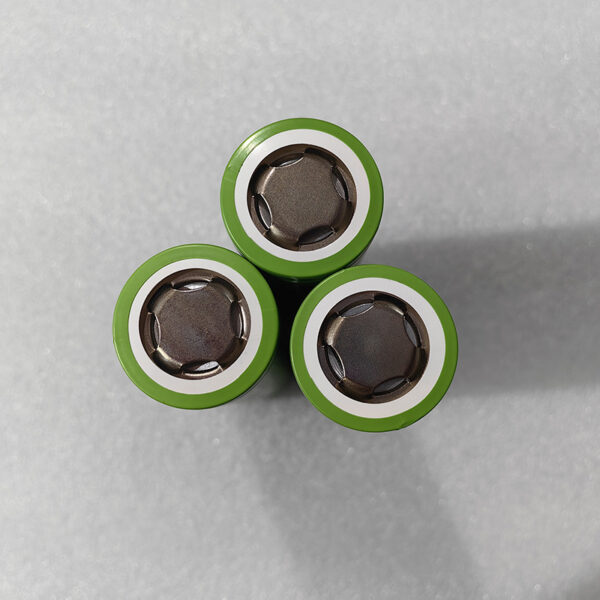
26650 Battery Cell For AGV Robot | CNS BATTERY
In the rapidly evolving landscape of industrial automation, the Automated Guided Vehicle (AGV) has become a cornerstone of efficient logistics and manufacturing. While navigation algorithms and mechanical design often garner significant attention, the power source remains the heart of AGV performance. Among various lithium-ion formats, the 26650 battery cell has emerged as a preferred choice for robust AGV applications. At CNS BATTERY, we understand the critical role these cells play in ensuring operational continuity, safety, and longevity for overseas B2B clients.
Why 26650 Cells Are Ideal for AGV Robots
The designation “26650” refers to the physical dimensions of the cylindrical cell: 26mm in diameter and 65mm in length. This form factor offers a strategic balance between energy density and structural integrity, making it particularly suitable for the demanding duty cycles of AGV robots. Unlike smaller cells such as the 18650, the 26650 provides a larger internal volume, which translates to higher capacity—typically ranging from 4000mAh to 6000mAh per cell depending on the chemistry—and better thermal management capabilities.
For AGV systems, consistent power delivery is non-negotiable. The 26650 cell supports higher continuous discharge rates, which is essential during acceleration phases or when lifting loads. Furthermore, the cylindrical shape allows for efficient packing within battery modules, facilitating air or liquid cooling systems that prevent thermal runaway. Whether utilizing Lithium Iron Phosphate (LiFePO4) for enhanced safety and cycle life or Nickel Cobalt Manganese (NCM) for higher energy density, the 26650 platform is versatile. You can explore our specific cylindrical solutions at https://cnsbattery.com/products-3/cylindrical-battery-cell/ to find the chemistry that matches your AGV’s operational profile.
Compliance and Safety Standards for Global Deployment
When sourcing battery cells for AGVs destined for international markets, compliance is not merely a checkbox; it is a market entry requirement. Overseas B2B buyers must ensure that the 26650 cells adhere to rigorous safety and transportation standards. In 2026, the regulatory landscape remains strict, with UN38.3 certification being mandatory for the transportation of lithium batteries by air, sea, or land.
Additionally, compliance with IEC 62619 (safety requirements for secondary lithium cells and batteries used in industrial applications) is crucial for AGV integration. This standard ensures that the cells can withstand overcharge, over-discharge, short circuits, and mechanical stress without posing a safety risk. CNS BATTERY prioritizes these certifications, ensuring that our cells meet the regulatory demands of North American, European, and Asian markets. For partners seeking verified manufacturing credentials, understanding the background of your supplier is key. Learn more about our manufacturing standards at https://cnsbattery.com/battery-manufacturers-in-china/.
Procurement Points for B2B Buyers
Selecting the right 26650 battery cell involves more than just comparing capacity ratings. For AGV integrators and procurement managers, the following practical points should guide your decision-making process:
- Capacity Consistency: In a battery pack comprising dozens of cells, capacity deviation must be minimal (typically <1%). High inconsistency leads to imbalanced charging, reducing the overall pack life.
- Internal Resistance (IR): Low and consistent IR is vital for efficiency. High resistance generates heat and voltage sag under load, which can trigger BMS errors in AGVs.
- Cycle Life Expectancy: AGVs often operate 24/7. Ensure the cells are rated for at least 2000 full charge cycles (for LiFePO4) to minimize total cost of ownership.
- Traceability: Each cell should have a unique batch code. This is essential for quality control and potential recalls.
Real-World Application and Integration
Consider a case where a logistics company deployed a fleet of 48V AGVs powered by 26650 LiFePO4 packs. By selecting high-quality cells with robust weldability and stable voltage platforms, the company reduced downtime related to battery failures by 30% over two years. The thermal stability of the 26650 format allowed the BMS to manage heat effectively even in warm warehouse environments. This underscores the importance of pairing quality cells with a smart Battery Management System (BMS).
Partnering with CNS BATTERY
Navigating the supply chain for industrial battery cells requires a partner who understands both the technical nuances and the logistical challenges. CNS BATTERY is committed to providing high-reliability 26650 cells tailored for robotic applications. We support our clients with detailed technical datasheets, compliance documentation, and responsive after-sales support.
For detailed inquiries regarding specifications, pricing, or custom packaging solutions for your AGV projects, please reach out to our team directly. We are ready to assist you in optimizing your power systems. Visit our contact page at https://cnsbattery.com/contact-2/ to initiate a conversation with our engineering and sales experts.
In conclusion, the 26650 battery cell represents a mature, reliable, and efficient power solution for the next generation of AGV robots. By focusing on compliance, technical consistency, and partnering with a reputable manufacturer, B2B buyers can ensure their automated systems run smoothly and safely. Trust CNS BATTERY to power your automation journey with precision and reliability.


