

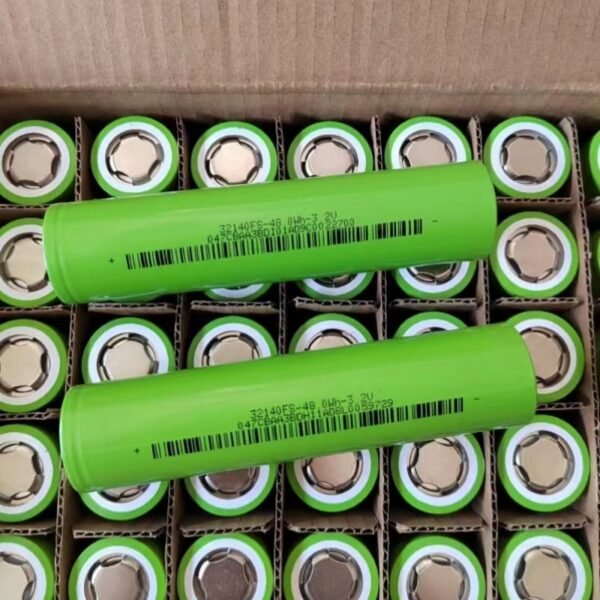
Ultimate Guide to 40150 Li-ion Cells for UAV 2026 – Complete UN38.3 UL CE Certified Focus
The unmanned aerial vehicle (UAV) industry continues its rapid expansion in 2026, with industrial drones demanding increasingly sophisticated power solutions. Among cylindrical battery configurations, the 40150 Li-ion cell has emerged as a critical component for professional UAV applications, balancing energy density, discharge capability, and regulatory compliance. This comprehensive guide addresses the technical specifications, certification requirements, and procurement considerations essential for B2B buyers sourcing battery cells for drone manufacturing across North America, Europe, and Asia-Pacific markets.
Understanding 40150 Li-ion Cell Specifications
The 40150 cylindrical cell designation indicates dimensions of 40mm diameter and 150mm length, offering substantially higher capacity compared to standard 18650 or 21700 formats. For UAV applications, these cells typically deliver:
- Nominal Capacity: 25,000-30,000mAh depending on chemistry
- Nominal Voltage: 3.6V-3.7V per cell
- Continuous Discharge Rate: 5C-15C for high-power drone motors
- Energy Density: 250-280 Wh/kg with advanced NCM chemistry
- Cycle Life: 800-1,500 cycles at 80% DOD under optimal conditions
The larger form factor enables reduced pack complexity for medium-to-large UAV platforms, minimizing connection points and improving overall system reliability. Manufacturers targeting agricultural drones, inspection UAVs, and delivery drones find the 40150 format particularly advantageous for flight times exceeding 45 minutes.
Critical Certification Requirements for 2026
UN38.3 Transportation Safety
Effective January 2026, the IMDG Code 42-24 Amendment introduced stricter lithium battery transportation regulations. All 40150 cells must pass UN38.3 testing covering:
- T1-T8 test series including altitude simulation, thermal testing, vibration, shock, external short circuit, impact, overcharge, and forced discharge
- Updated documentation requirements with cell-level test summaries
- State of Charge (SoC) restrictions not exceeding 30% for air freight
B2B purchasers must verify current UN38.3 certificates before international shipment, as non-compliant cargo faces port detention or return shipment risks under 2026 enforcement protocols.
UL Certification Standards
For North American market access, UL 1642 (cell safety) and UL 2054 (battery pack) certifications remain mandatory. Key 2026 updates include:
- Enhanced thermal runaway propagation testing
- Stricter overcharge protection requirements
- Mandatory cell-level marking with traceability codes
European buyers should prioritize CE marking compliance under the EU Battery Regulation 2023/1542, which became fully enforceable in 2026. This regulation mandates:
- Carbon footprint declarations for industrial batteries
- Minimum recycled content requirements
- Battery passport digital documentation
- Extended producer responsibility (EPR) registration
Technical Considerations for UAV Integration
Thermal Management
40150 cells generate significant heat during high-discharge UAV operations. Professional pack designs incorporate:
- Aluminum cooling plates between cell rows
- Thermal interface materials (TIM) with conductivity ≥3 W/m·K
- Active cooling for continuous high-power applications
- Temperature monitoring with BMS integration
Battery Management System (BMS)
A robust BMS is essential for 40150 configurations:
- Cell voltage balancing accuracy within ±5mV
- Temperature monitoring at multiple pack locations
- State of Charge (SoC) estimation accuracy ≥95%
- Communication protocols: CAN Bus, RS485, or SMBus
- Protection thresholds: overcharge (4.25V), over-discharge (2.5V), over-current
Regional Compliance Variations
Geo-specific requirements significantly impact procurement decisions:
- United States: FAA Part 107 compliance for commercial drones, UL certification mandatory
- European Union: CE marking, EU Battery Regulation compliance, REACH chemical restrictions
- United Kingdom: UKCA marking post-Brexit, separate from CE requirements
- Asia-Pacific: Varies by country; Japan requires PSE marking, Australia needs RCM compliance
Why Choose CNS BATTERY for 40150 UAV Cells
CNS BATTERY stands as a certified lithium battery manufacturer specializing in cylindrical cells for industrial UAV applications. Our 40150 product line delivers:
- Complete Certification Portfolio: UN38.3, UL 1642, CE, IEC 62133 fully documented
- Consistent Quality: Automated production lines with ≤1% capacity variance
- Technical Support: Engineering team available for pack design consultation
- Global Logistics: Established shipping channels compliant with 2026 IMDG regulations
For detailed product specifications, explore our cylindrical battery cell range. As one of the leading battery manufacturers in China, we maintain strict quality control systems certified to ISO 9001:2015 standards.
B2B buyers seeking reliable 40150 cell suppliers for UAV production should verify certification documentation, request sample testing, and confirm production capacity before committing to large orders. CNS BATTERY welcomes partnership inquiries from drone manufacturers worldwide requiring compliant, high-performance lithium cells.
Contact our international sales team today at https://cnsbattery.com/contact-2/ for customized quotations, technical datasheets, and certification documentation. We support FOB, CIF, and DDP shipping terms to major markets including the United States, Germany, United Kingdom, Japan, Australia, and Canada.
This guide reflects 2026 regulatory requirements and industry standards. Specifications subject to change based on specific application requirements. Always verify current certification status before procurement.

