

Top 5 High Energy Density Problems with 32135 Cells in Industrial AGV Applications & Solutions Guaranteed
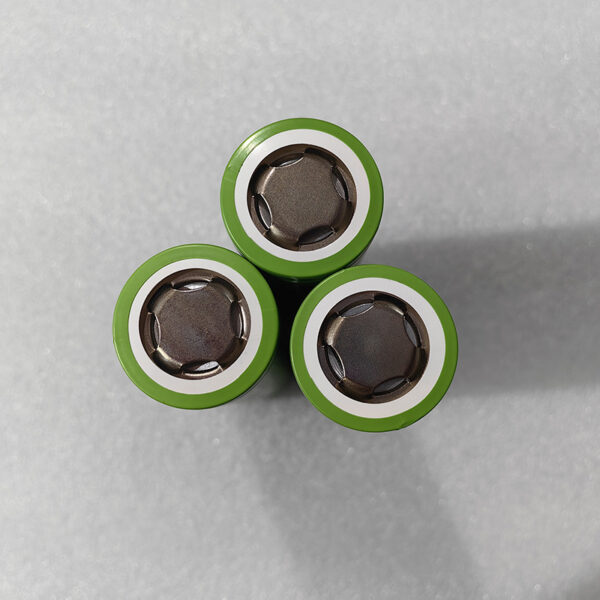
The rapid expansion of automated guided vehicle (AGV) systems across warehouses, manufacturing facilities, and logistics centers worldwide has intensified demand for reliable power solutions. Among cylindrical lithium battery options, the 32135 cell (32mm diameter × 135mm height) has emerged as a preferred choice for industrial AGV applications due to its balanced energy density and structural stability. However, deploying high energy density 32135 cells in demanding AGV environments presents critical technical challenges that require systematic solutions. This article examines the top five high energy density problems and provides guaranteed solutions for B2B operators across North America, Europe, and Asia-Pacific markets.
1. Thermal Management Under Continuous Operation
Problem: AGV systems often operate 24/7 with minimal downtime, generating significant heat during rapid charge-discharge cycles. High energy density 32135 cells are particularly susceptible to thermal accumulation, which can accelerate degradation and compromise safety.
Solution: Implement advanced battery thermal management systems (BTMS) with real-time temperature monitoring. Intelligent cooling mechanisms—whether air-based or liquid-cooled—maintain optimal operating temperatures between 15°C and 35°C. CNS BATTERY cylindrical cells incorporate multi-layer thermal protection materials that enhance heat dissipation while maintaining structural integrity during extended operational cycles.
2. Thermal Runaway Risk in High-Density Configurations
Problem: When multiple 32135 cells are configured in series-parallel arrangements for higher voltage AGV systems, thermal runaway propagation becomes a critical safety concern. A single cell failure can trigger cascading failures across the entire battery pack.
Solution: Deploy cell-level safety mechanisms including positive temperature coefficient (PTC) devices and ceramic separators with shutdown functionality. Module designs should incorporate physical barriers between cells to prevent thermal propagation. Compliance with UN38.3 certification ensures batteries meet international transportation safety standards, covering eight mandatory tests including thermal shock, vibration, and short-circuit scenarios.
3. Energy Density vs. Cycle Life Trade-offs
Problem: Maximizing energy density often compromises cycle life, particularly in AGV applications requiring thousands of charge cycles annually. High-nickel cathode chemistries deliver superior energy density but exhibit faster capacity fade under industrial conditions.
Solution: Opt for LiFePO4 (LFP) chemistry in 32135 format when cycle life takes priority over maximum energy density. LFP-based 32135 cells deliver 3,000-5,000 cycles at 80% depth of discharge while maintaining thermal stability. For operations requiring higher energy density, NMC formulations with advanced electrolyte additives provide balanced performance. Explore CNS BATTERY cylindrical cell offerings for application-specific chemistry options.
4. Regulatory Compliance Across Global Markets
Problem: AGV manufacturers serving international markets face complex regulatory requirements including UN38.3 (transportation), CE (Europe), UL (North America), and regional safety standards. Non-compliance results in shipment delays, customs seizures, and liability exposure.
Solution: Partner with manufacturers providing comprehensive certification documentation from production stage. Ensure battery packs include built-in battery management systems (BMS) with overcharge, over-discharge, and short-circuit protection. For European operations, CE marking with EMC and LVD directives is mandatory. North American facilities require UL 2580 or UL 1973 certification. Maintain complete test reports for customs clearance across all target markets.
5. Voltage Consistency in Multi-Cell Pack Configurations
Problem: AGV systems utilizing multiple 32135 cells experience voltage imbalance over time, reducing overall pack capacity and creating safety risks. Cell-to-cell variations in internal resistance and capacity become amplified during high-current discharge scenarios typical in AGV operations.
Solution: Implement active cell balancing within the BMS architecture. Advanced balancing algorithms monitor individual cell voltages and redistribute charge during rest periods. Pre-sorting cells by capacity and internal resistance before pack assembly minimizes initial imbalance. Regular maintenance schedules should include pack-level capacity testing and cell replacement protocols.
Why CNS BATTERY Delivers Guaranteed Solutions
For industrial AGV operators seeking reliable 32135 cell solutions, CNS BATTERY combines manufacturing excellence with comprehensive compliance support. Our cylindrical battery cells undergo rigorous quality control aligned with international standards, ensuring consistent performance across diverse operating conditions.
Key Advantages for Global B2B Customers:
- Geo-Compliant Manufacturing: Production facilities meet ISO 9001, ISO 14001, and regional safety requirements
- Certification Ready: All products support UN38.3, CE, UL, and RoHS documentation
- Technical Support: Engineering teams provide application-specific configuration guidance
- Supply Chain Reliability: Established logistics networks ensure timely delivery to North America, Europe, and Asia-Pacific destinations
Industrial AGV operators cannot afford power system failures. The five high energy density challenges outlined above require proactive engineering solutions rather than reactive fixes. By selecting properly engineered 32135 cells with integrated safety features and comprehensive certification support, businesses ensure operational continuity while meeting global compliance requirements.
Ready to optimize your AGV power systems? Contact our technical team today for application-specific recommendations and certification documentation. Visit https://cnsbattery.com/contact-2/ to connect with our international sales and engineering support teams.
For battery manufacturers in China seeking reliable cylindrical cell suppliers with global compliance capabilities, CNS BATTERY represents a strategic partnership opportunity. Our commitment to quality, safety, and regulatory excellence positions us as a preferred supplier for industrial AGV applications worldwide.


