
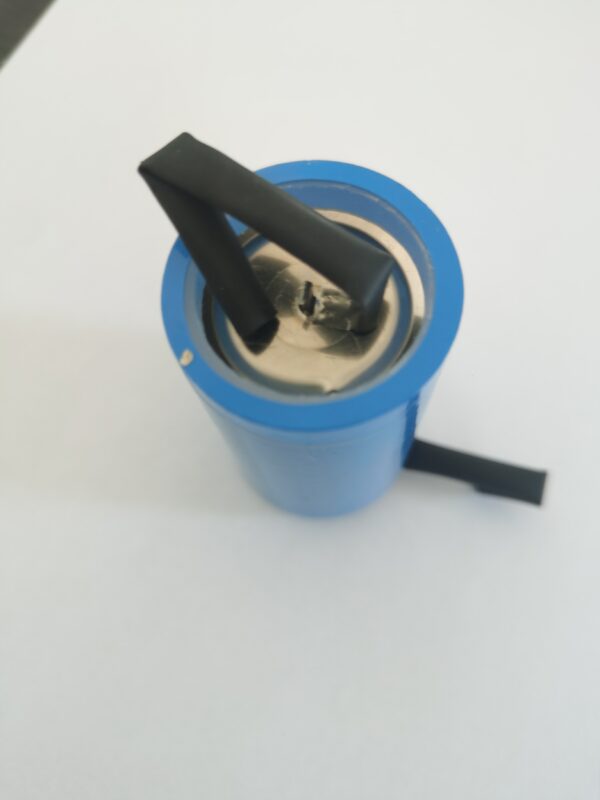
IP68 Waterproof Li-S Battery | Deep Sea Rated
The demand for reliable power solutions in extreme environments has never been more critical. Among all primary battery technologies, the IP68 Waterproof Li-S Battery stands as the definitive choice for deep sea applications, offshore operations, and submerged industrial equipment. This article examines the technical foundations, performance characteristics, and deployment considerations of deep sea rated lithium thionyl chloride batteries from a professional manufacturer’s perspective.
Understanding Li-S Battery Chemistry
Lithium thionyl chloride (Li-SOCl₂) batteries represent the highest energy density commercially available in primary cell technology. The electrochemical reaction between lithium metal anode and thionyl chloride cathode delivers nominal voltage of 3.6V with exceptional stability throughout discharge cycles. Unlike rechargeable alternatives, Li-S batteries offer zero self-discharge concerns during extended storage, making them ideal for remote deployments where maintenance access is impossible.
The passivation layer formation on the lithium anode provides inherent protection against corrosion, yet this characteristic requires careful consideration for deep sea applications where pressure and saltwater exposure create compound stress factors.
IP68 Rating: What It Means for Deep Sea Operations
The IP68 certification represents the highest level of ingress protection available under IEC 60529 standards. The “6” indicates complete dust tightness, while the “8” confirms continuous submersion capability beyond 1 meter depth. For deep sea rated batteries, manufacturers typically validate performance at depths exceeding 100 meters with pressure resistance up to 15 bar minimum.
Critical sealing technologies include:
- Laser-welded hermetic seals preventing electrolyte leakage
- Multi-layer gasket systems resistant to saltwater corrosion
- Pressure-equalizing vents for extreme depth variations
- Corrosion-resistant housing materials such as 316L stainless steel or titanium alloys
Core Technical Advantages for Submerged Applications
Extended Operational Temperature Range: Deep sea rated Li-S batteries maintain functionality from -55°C to +85°C, accommodating both arctic underwater operations and tropical offshore environments. This temperature tolerance exceeds most competing chemistries by 30-40 degrees Celsius.
Ultra-Low Self-Discharge Rate: Annual self-discharge remains below 1% at ambient temperatures, enabling 10-15 year shelf life without significant capacity degradation. For underwater sensor networks and subsea monitoring equipment, this translates to reduced replacement cycles and lower total ownership costs.
High Pulse Current Capability: Advanced bobbin and spiral-wound cell designs support pulse currents up to 3A for short durations, accommodating telemetry transmissions and emergency signaling requirements common in offshore installations.
Pressure Resistance Validation: Professional manufacturers conduct hyperbaric chamber testing simulating depths to 500 meters, ensuring structural integrity under extreme hydrostatic pressure conditions encountered in deep sea exploration and submarine cable systems.
Geographic Deployment Considerations
Regional environmental factors significantly influence battery selection for marine applications. North Sea offshore platforms require enhanced cold-temperature performance, while Gulf of Mexico installations demand superior heat dissipation characteristics. Asia-Pacific underwater cable networks benefit from humidity-resistant packaging, whereas Middle East coastal operations prioritize salt spray corrosion protection.
Manufacturers serving global markets must maintain compliance with regional certifications including ATEX for European hazardous locations, UL standards for North American deployments, and IECEx for international offshore applications.
Integration Best Practices for B2B Applications
System designers should consider voltage sag characteristics during high-current pulses, particularly when multiple cells operate in series configurations. Parallel connections require matching cell impedance to prevent current imbalance. For deep sea rated assemblies, potting compounds must remain flexible across temperature extremes to avoid seal compromise during thermal cycling.
Quality verification should include batch testing for capacity consistency, leak detection using helium mass spectrometry, and accelerated aging studies validating long-term performance predictions.
Partner Selection Criteria
When evaluating suppliers for IP68 waterproof Li-S batteries, prioritize manufacturers with documented deep sea deployment history, in-house testing capabilities, and traceable quality management systems. Request validation reports for pressure testing, salt spray corrosion resistance, and temperature cycling performance before committing to large-scale procurement.
For technical specifications, customization options, and direct manufacturer consultation, visit our primary battery product range or contact our engineering team for project-specific guidance.
Conclusion
The IP68 Waterproof Li-S Battery represents the intersection of advanced electrochemistry and precision engineering for deep sea rated applications. As offshore energy, underwater communications, and marine research expand globally, selecting the right primary battery partner becomes a strategic decision impacting operational reliability and total project cost. Professional procurement teams should prioritize verified performance data, regional compliance certifications, and manufacturer technical support capabilities when specifying deep sea power solutions.
