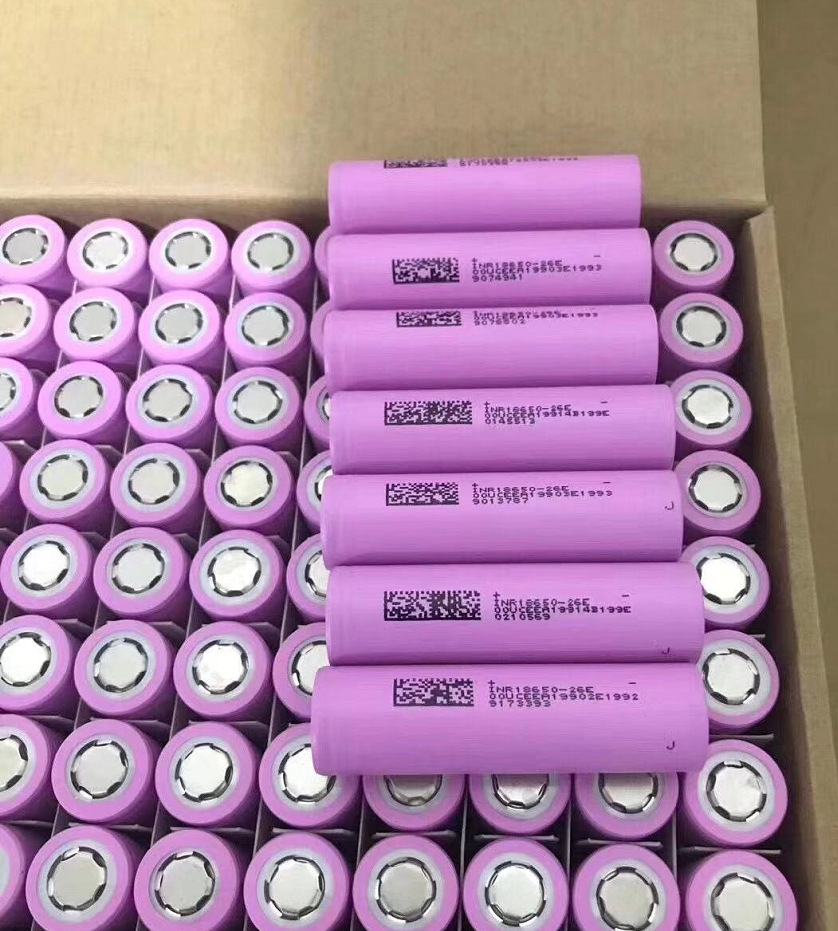
26650 Battery Cell For Commercial ESS | CNS BATTERY
The commercial energy storage system (ESS) market is experiencing unprecedented growth, driven by renewable energy integration and grid stabilization demands. Among various battery configurations, the 26650 cylindrical battery cell has emerged as a compelling solution for medium-to-large scale ESS deployments. This article examines the technical advantages, application scenarios, and selection criteria for 26650 cells in commercial energy storage systems.
Why 26650 Cells Matter in Commercial ESS
The 26650 battery cell (26mm diameter × 65mm length) offers an optimal balance between energy density, thermal management, and manufacturing scalability. Compared to the more common 18650 format, the 26650 provides approximately 2.5 times the capacity while maintaining compatible production processes. For commercial ESS applications requiring 50kWh to 5MWh capacity, this form factor delivers superior cost-per-kWh economics.
Key technical specifications typically include:
- Nominal voltage: 3.2V (LiFePO4) or 3.6V (NMC)
- Capacity range: 2,500mAh to 5,000mAh
- Cycle life: 2,000 to 6,000 cycles
- Operating temperature: -20°C to 60°C
Technical Advantages for ESS Deployment
1. Enhanced Thermal Performance
The larger surface-area-to-volume ratio of 26650 cells enables more efficient heat dissipation compared to pouch or prismatic alternatives. This characteristic is critical for commercial ESS installations where ambient temperatures fluctuate and continuous cycling generates substantial thermal loads. Proper thermal management extends cycle life and maintains safety margins.
2. Modular Scalability
26650 cells integrate seamlessly into standardized battery modules. A typical commercial ESS configuration might employ 100-500 cells per module, with multiple modules connected in series-parallel arrangements. This modularity simplifies maintenance, allows incremental capacity expansion, and reduces downtime during cell replacement.
3. Manufacturing Consistency
Cylindrical cells benefit from decades of manufacturing refinement. The automated winding and assembly processes ensure tight tolerance control, resulting in lower cell-to-cell variation. For BMS (Battery Management System) designers, this consistency translates to simplified balancing algorithms and improved pack-level reliability.
Application Scenarios in Commercial ESS
Commercial energy storage systems utilizing 26650 cells serve multiple use cases:
- Peak Shaving: Reducing demand charges by discharging during peak tariff periods
- Renewable Smoothing: Stabilizing solar/wind output fluctuations for grid compliance
- Backup Power: Providing uninterrupted power supply for critical commercial loads
- Frequency Regulation: Responding to grid frequency deviations within milliseconds
Each application imposes different requirements on cycle depth, discharge rates, and calendar life. LiFePO4 chemistry 26650 cells are particularly suited for stationary ESS due to their inherent safety and extended cycle life, despite slightly lower energy density than NMC alternatives.
Selection Criteria for Technical Procurement
When evaluating 26650 cells for commercial ESS projects, engineering teams should prioritize:
- Cycle Life Verification: Request third-party test reports validating cycle life claims under realistic ESS operating conditions (80% DOD, 25°C ambient)
- Safety Certifications: Ensure cells comply with UL 1642, IEC 62133, and UN 38.3 transportation requirements
- Manufacturer Track Record: Assess production capacity, quality control systems, and after-sales support capabilities
- Total Cost of Ownership: Calculate levelized cost of storage (LCOS) including initial capex, replacement cycles, and maintenance expenses
For comprehensive product specifications and technical documentation, visit our cylindrical battery cell product page.
Integration Considerations
Successful 26650-based ESS deployment requires attention to several integration factors:
BMS Compatibility: Ensure the battery management system supports the specific cell chemistry and can handle the expected current ranges. Advanced BMS features should include cell-level monitoring, temperature sensing, and predictive maintenance algorithms.
Mechanical Design: Cylindrical cells require specialized holders and compression systems to maintain electrical contact throughout thermal cycling. Vibration resistance is essential for installations in industrial environments.
Fire Safety: While LiFePO4 chemistry offers inherent safety advantages, commercial installations must comply with local fire codes. This may require fire suppression systems, thermal barriers, and adequate ventilation.
Partnering with Reliable Manufacturers
Selecting the right battery manufacturer is as critical as cell selection itself. Established manufacturers provide consistent quality, technical support, and warranty coverage essential for commercial ESS projects with 10-15 year expected lifespans. China has emerged as a global hub for battery manufacturing, offering competitive pricing without compromising quality standards.
For organizations seeking qualified battery manufacturing partners, explore our resources on battery manufacturers in China to identify suppliers matching your technical and commercial requirements.
Conclusion
The 26650 battery cell represents a mature, cost-effective solution for commercial energy storage systems. Its combination of thermal performance, manufacturing scalability, and modular flexibility makes it particularly suitable for ESS applications ranging from 50kWh to 5MWh. As the commercial ESS market continues expanding, technical teams should evaluate 26650 configurations alongside alternative form factors to optimize project economics and performance.
For technical inquiries, customization requests, or partnership discussions, please reach out through our contact page. Our engineering team stands ready to support your commercial ESS deployment with proven 26650 cell solutions and comprehensive technical documentation.
This article is intended for engineering and procurement professionals evaluating battery solutions for commercial energy storage applications. All technical specifications should be verified with manufacturers before system design finalization.