26650 Battery Cell Low MOQ 50pcs: A Strategic Solution for B2B Battery Procurement
In the rapidly evolving landscape of lithium-ion battery procurement, finding reliable suppliers with flexible minimum order quantities (MOQ) remains a critical challenge for engineering teams and technical purchasers worldwide. CNS BATTERY addresses this pain point directly with their 26650 Battery Cell Low MOQ 50pcs offering, enabling prototype development, small-batch production, and market testing without the traditional barriers of high-volume commitments.
Understanding the 26650 Cell Architecture
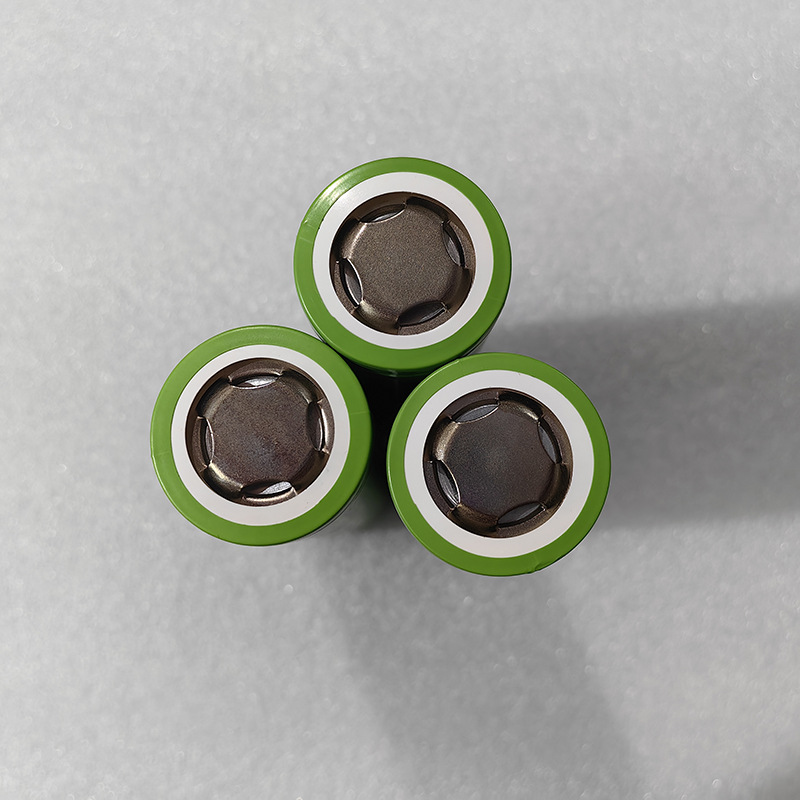
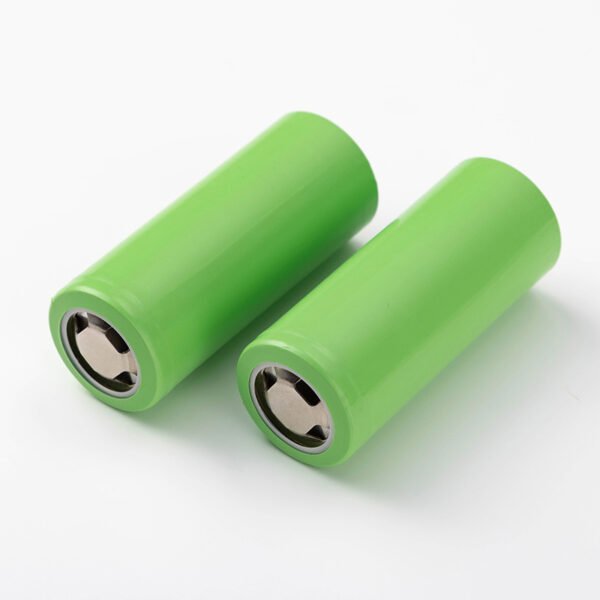
The 26650 cylindrical battery cell represents a mature form factor in the lithium-ion ecosystem, measuring 26mm in diameter and 65mm in length. This geometry offers an optimal balance between energy density and thermal management capabilities. From an electrochemical perspective, 26650 cells typically employ lithium iron phosphate (LiFePO4) or nickel manganese cobalt (NMC) cathode chemistry, each delivering distinct performance characteristics for specific application requirements.
The cylindrical design provides inherent structural advantages, including uniform pressure distribution across the electrode stack and efficient heat dissipation through the steel casing. These characteristics make 26650 cells particularly suitable for high-drain applications such as power tools, electric vehicles, and energy storage systems where thermal stability and cycle life are paramount considerations.
Low MOQ: Enabling Agile Development Cycles
Traditional battery manufacturers often require MOQs ranging from 1,000 to 10,000 pieces, creating significant barriers for startups, research institutions, and companies pursuing iterative product development. CNS BATTERY’s 50-piece minimum order quantity fundamentally shifts this paradigm, allowing engineering teams to:
- Validate design concepts with authentic production-grade cells before committing to large volumes
- Conduct comprehensive testing including cycle life, thermal performance, and safety validation
- Accelerate time-to-market by eliminating prolonged procurement negotiations for sample quantities
- Reduce upfront capital expenditure during prototype and pilot production phases
This flexibility proves invaluable for technical purchasers managing budget constraints while maintaining rigorous quality standards throughout the product development lifecycle.
Technical Specifications and Performance Metrics
When evaluating 26650 cells for commercial applications, several key parameters demand careful consideration. Typical capacity ranges span 2,500mAh to 5,000mAh depending on chemistry selection and manufacturer specifications. Continuous discharge rates commonly reach 10A to 30A, with pulse discharge capabilities extending significantly higher for specialized variants.
Cycle life expectations for quality 26650 cells exceed 2,000 full charge-discharge cycles at 80% depth of discharge when operated within recommended temperature ranges (0°C to 45°C for charging, -20°C to 60°C for discharging). The internal resistance typically remains below 50mΩ, ensuring minimal voltage sag under load conditions and maximizing overall system efficiency.
Quality Assurance and Manufacturing Standards
Partnering with established battery manufacturers in China requires thorough due diligence regarding quality control processes. Reputable suppliers implement comprehensive testing protocols including incoming material inspection, in-process monitoring, and final product validation against international standards such as UN38.3, IEC62133, and UL certifications.
CNS BATTERY maintains rigorous quality management systems throughout their production facilities, ensuring each 26650 cell meets consistent performance specifications. This consistency proves critical for battery pack assembly where cell matching directly impacts overall pack longevity and safety performance.
Application Scenarios and Integration Considerations
The 26650 form factor serves diverse application segments requiring reliable energy storage solutions. Common deployments include portable lighting systems, medical devices, telecommunications backup power, and modular energy storage architectures. When integrating these cells into custom battery packs, engineers must account for appropriate battery management system (BMS) selection, thermal management design, and mechanical protection structures.
For detailed product specifications and technical documentation, visit the cylindrical battery cell product page to access comprehensive datasheets and application notes supporting your engineering decisions.
Supply Chain Reliability and Lead Time Management
Beyond technical specifications, supply chain stability represents a critical procurement consideration. CNS BATTERY maintains inventory buffers for standard 26650 variants, enabling rapid fulfillment of low MOQ orders without compromising delivery schedules. This capability proves essential for projects operating under tight development timelines where component availability directly impacts overall project milestones.
Strategic Partnership Approach
Selecting a battery supplier extends beyond transactional purchasing relationships. Long-term partnerships with manufacturers offering flexible MOQ structures enable continuous collaboration throughout product evolution cycles. This approach facilitates ongoing technical support, custom specification development, and scalable production pathways as market demand grows.
For engineering teams ready to advance their 26650 battery integration projects, direct communication with technical sales representatives ensures alignment between application requirements and cell specifications. Reach out through the official contact page to initiate discussions regarding your specific project needs, volume projections, and timeline requirements.
Conclusion
The 26650 Battery Cell Low MOQ 50pcs offering from CNS BATTERY represents a strategic enabler for companies pursuing agile battery-powered product development. By combining mature cell technology with flexible procurement terms, this solution addresses the fundamental tension between quality assurance and development flexibility that characterizes modern battery procurement challenges. Technical purchasers and engineering teams gain access to production-grade cells without traditional volume barriers, accelerating innovation cycles while maintaining rigorous quality standards throughout the development process.