
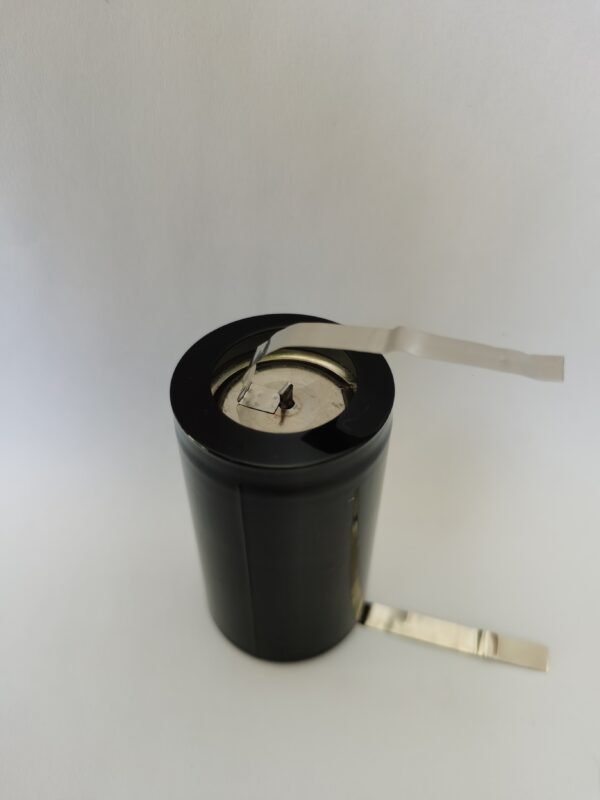
Li-SOCl₂ Battery for High Value Cargo Tracking Sensors: The Ultimate Power Solution for Long-Term IoT Deployment
In the rapidly evolving landscape of global logistics and supply chain management, high-value cargo tracking has become mission-critical for industries ranging from pharmaceuticals to aerospace. At the heart of every reliable tracking sensor lies a fundamental question: what power source can deliver decade-long operation without maintenance? The answer increasingly points to Lithium Thionyl Chloride (Li-SOCl₂) primary batteries—the industry gold standard for low-power, long-life IoT applications.
Why Li-SOCl₂ Chemistry Dominates Cargo Tracking Applications
Li-SOCl₂ batteries represent the highest energy density chemistry among commercially available primary batteries, delivering up to 590 Wh/kg and 1100 Wh/L. This exceptional performance stems from the electrochemical reaction: 4Li + 2SOCl₂ → 4LiCl + S + SO₂, where lithium serves as the anode and thionyl chloride functions as both cathode active material and electrolyte solvent.
For cargo tracking sensors deployed across international shipping routes, this translates to 10-15 year operational lifespans without battery replacement—a critical advantage when tracking assets worth millions across oceans and continents.
Key Technical Advantages for Tracking Sensor Design
1. Ultra-Low Self-Discharge Rate
Li-SOCl₂ batteries exhibit self-discharge rates below 1% per year at ambient temperatures. This characteristic ensures that tracking devices maintain readiness even during extended storage periods before deployment. For logistics companies managing large sensor fleets, this means reduced inventory waste and predictable performance upon activation.
2. Wide Operating Temperature Range
Cargo containers experience extreme temperature variations—from -55°C to +85°C depending on route and season. Li-SOCl₂ chemistry maintains stable voltage output across this entire range, unlike lithium-ion alternatives that suffer significant capacity loss in cold conditions. This reliability proves essential for pharmaceutical cold chain monitoring and Arctic shipping routes.
3. High Pulse Current Capability
Modern tracking sensors integrate GPS, cellular (LTE-M/NB-IoT), and satellite communication modules requiring periodic high-current pulses. Advanced bobbin-type Li-SOCl₂ cells with hybrid layer capacitors can deliver pulse currents up to 100mA while maintaining baseline microampere consumption during sleep modes. This dual capability optimizes both transmission power and standby longevity.
4. Voltage Stability Throughout Discharge
The flat discharge curve of Li-SOCl₂ batteries maintains 3.6V nominal voltage with minimal droop until end-of-life. This stability simplifies power management circuit design and ensures consistent sensor performance without complex voltage regulation schemes.
Design Considerations for Engineers
When specifying Li-SOCl₂ batteries for cargo tracking applications, engineers must evaluate several critical parameters:
Capacity Selection: Calculate total energy requirements based on transmission frequency, signal strength, and expected mission duration. Typical tracking sensors consume 10-50 μA average current, making 2400-8500 mAh cells appropriate for 5-10 year deployments.
Voltage Delay Mitigation: After extended storage or high-temperature exposure, Li-SOCl₂ cells may exhibit temporary voltage depression during initial load. Specify cells with appropriate passivation control or incorporate brief warm-up periods in device firmware.
Safety Compliance: Li-SOCl₂ batteries contain thionyl chloride, requiring proper handling and transport documentation. Ensure compliance with UN 3090 shipping regulations and IATA Dangerous Goods requirements for air freight.
Economic Impact on Total Cost of Ownership
While Li-SOCl₂ batteries carry higher upfront costs compared to alkaline or standard lithium alternatives, the total cost of ownership favors primary lithium for long-duration applications. Eliminating battery replacement cycles reduces:
- Labor costs for sensor maintenance
- Risk of cargo tracking gaps during battery changes
- Environmental disposal expenses
- Device redesign requirements for battery access
For high-value cargo worth $100,000+, the incremental battery cost represents negligible insurance against loss or theft.
Future-Proofing Your Tracking Infrastructure
As IoT connectivity evolves toward 5G RedCap and satellite direct-to-device communications, power requirements will shift. Li-SOCl₂ technology continues advancing with improved pulse capability and enhanced low-temperature performance. Selecting established manufacturers with proven track records ensures supply chain continuity and technical support throughout your product lifecycle.
Partner Selection Criteria
When evaluating battery suppliers for cargo tracking sensor production, prioritize vendors offering:
- Technical documentation including detailed discharge curves across temperature ranges
- Quality certifications (ISO 9001, UL, CE, UN transport approval)
- Customization capability for specific form factors and terminal configurations
- Long-term availability guarantees for product consistency
For comprehensive technical specifications and application support, visit our primary battery product portfolio to explore Li-SOCl₂ options optimized for IoT tracking applications. Our engineering team provides detailed consultation on cell selection, pack design, and regulatory compliance.
Conclusion
Li-SOCl₂ batteries represent the optimal power solution for high-value cargo tracking sensors requiring decade-long, maintenance-free operation. The combination of exceptional energy density, temperature resilience, and voltage stability makes this chemistry indispensable for mission-critical logistics applications. As global supply chains become increasingly digitized, selecting the right power foundation determines tracking reliability and operational success.
For technical inquiries and customized battery solutions, contact our specialist team at CNS Battery to discuss your specific cargo tracking power requirements.
This article provides technical guidance for engineers and procurement professionals evaluating primary battery solutions for IoT tracking applications. Specifications should be verified against current manufacturer datasheets before final design decisions.
