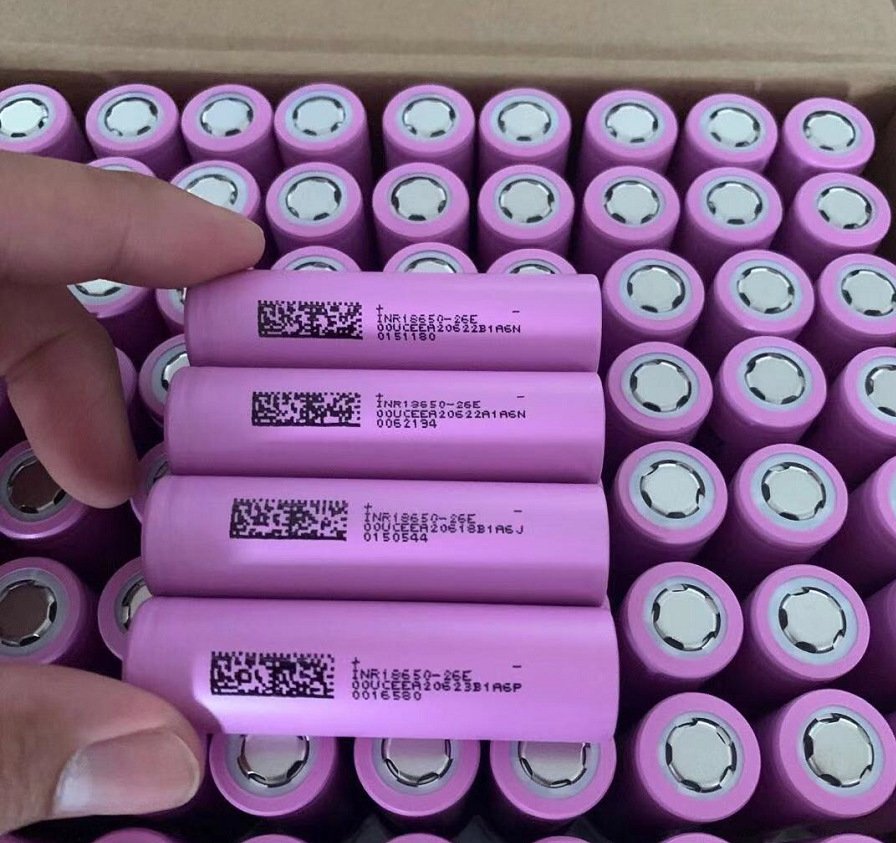
Electric Vehicle OEM Pain Points Solved by 21700 LFP Cylindrical Batteries vs Competitors
The electric vehicle (EV) industry faces critical challenges in battery selection, cost management, and supply chain reliability. Among emerging solutions, 21700 LFP (Lithium Iron Phosphate) cylindrical batteries have gained significant traction as OEMs seek alternatives to traditional NCM chemistries and prismatic cell formats. This article examines how 21700 LFP cylindrical cells address key OEM pain points compared to competitors.
Core Pain Points in EV Battery Procurement
EV manufacturers consistently encounter four primary challenges: thermal safety concerns, cost volatility, supply chain dependency, and regulatory compliance. NCM (Nickel-Cobalt-Manganese) batteries, while offering higher energy density, present thermal runaway risks and rely on cobalt—a material with ethical sourcing concerns and price instability. Prismatic LFP cells, though safer, often face packaging inefficiencies in certain vehicle architectures.
Technical Advantages of 21700 LFP Cylindrical Format
The 21700 cylindrical form factor (21mm diameter × 70mm length) delivers measurable benefits over competing formats:
Thermal Management: Cylindrical cells feature superior heat dissipation through their curved surface area. Each cell operates independently within the pack, limiting thermal propagation. LFP chemistry inherently resists thermal runaway at temperatures exceeding 270°C, compared to 150-200°C for NCM variants.
Energy Density & Pack Efficiency: While individual 21700 LFP cells offer 240-260 Wh/kg at cell level, modern pack designs achieve 160-180 Wh/kg at system level through optimized module integration. This compares favorably with prismatic LFP packs while maintaining safety margins.
Cycle Life: LFP cylindrical cells consistently deliver 3,000-5,000 full cycles at 80% depth of discharge, significantly outperforming NCM alternatives (1,500-2,500 cycles). For commercial fleets, this translates to 8-10 years of operational life before replacement.
Cost Competitiveness Analysis
Raw material costs represent the most significant differentiator. LFP chemistry eliminates cobalt entirely and reduces nickel dependency, resulting in 20-30% lower cell-level costs compared to NCM equivalents. Current market data shows LFP cells at $80-95/kWh versus $110-140/kWh for NCM, with further reductions expected through 2027.
For OEMs, this cost advantage enables competitive vehicle pricing without sacrificing range requirements for urban and regional transportation segments.
Compliance & Regulatory Alignment
Global regulations increasingly favor LFP chemistry. The EU Battery Regulation (2023) mandates carbon footprint disclosure and recycled content minimums—requirements more easily met through LFP’s simpler material composition. US IRA (Inflation Reduction Act) incentives prioritize batteries with reduced critical mineral dependency, where LFP excels.
Certification pathways for 21700 LFP cells align with UN38.3, IEC62619, and UL2580 standards, streamlining vehicle homologation across multiple markets.
Supply Chain Considerations
Diversified manufacturing capacity reduces single-source risk. China-based manufacturers have scaled 21700 LFP production significantly, offering OEMs multiple qualification options. When evaluating suppliers, prioritize manufacturers with:
- Vertical integration from cathode material to cell assembly
- Established automotive IATF16949 certification
- Proven track record in automotive-grade production volumes
Reliable partners maintain consistent quality across production batches, critical for pack-level warranty management. For manufacturers seeking qualified suppliers, comprehensive options are available through established battery manufacturers in China with automotive-grade capabilities.
Integration & Compatibility
21700 cylindrical cells integrate seamlessly with existing battery management systems (BMS) designed for cylindrical formats. Key integration considerations include:
- Standard welding patterns compatible with automated assembly lines
- Modular pack designs supporting 48V to 800V architectures
- Interchangeability with 18650 infrastructure in legacy applications
OEMs transitioning from prismatic to cylindrical formats should validate mechanical mounting points and thermal interface materials during prototype phases. Detailed product specifications for automotive-grade cylindrical cells can be reviewed at cylindrical battery cell products.
Real-World Implementation Cases
Several commercial vehicle programs have successfully deployed 21700 LFP cylindrical packs:
- European Delivery Vans: A major logistics operator replaced NCM packs with 21700 LFP, achieving 15% TCO reduction over 5-year ownership while maintaining 250km daily range requirements.
- Asian Two-Wheeler EVs: Manufacturers adopted 21700 LFP for premium electric motorcycles, leveraging the format’s vibration resistance and simplified cooling requirements.
- Energy Storage Integration: Dual-use applications allow OEMs to repurpose retired EV batteries for stationary storage, extending value chain economics.
Procurement Best Practices
When sourcing 21700 LFP cylindrical cells, OEMs should establish clear qualification criteria:
- Sample Testing: Require minimum 100-cell samples for validation across temperature ranges (-30°C to 60°C)
- Documentation: Insist on complete test reports including cycle life, impedance, and safety certifications
- Capacity Reservations: Secure production capacity 12-18 months ahead for volume programs
- Quality Agreements: Define AQL (Acceptable Quality Level) standards and failure analysis protocols
Conclusion
21700 LFP cylindrical batteries present a compelling solution for EV OEMs balancing cost, safety, and compliance requirements. While not suitable for all applications—particularly long-range premium vehicles demanding maximum energy density—they excel in commercial, urban, and regional transportation segments where TCO and safety take priority.
The technology maturity, combined with expanding manufacturing capacity and regulatory tailwinds, positions 21700 LFP as a strategic choice for OEMs seeking supply chain resilience and competitive positioning through 2030.
For technical consultations and partnership opportunities, reach out through our contact page to discuss your specific application requirements and qualification timelines.