18650 Battery Cell For Off Grid Storage: A Technical Guide for Engineers and Procurement Professionals
In the rapidly evolving landscape of renewable energy systems, off-grid storage solutions have become critical for ensuring energy independence and reliability. Among various battery technologies, the 18650 lithium-ion battery cell has emerged as a preferred choice for scalable off-grid applications. This article provides a comprehensive technical analysis of 18650 battery cells, their specifications, performance characteristics, and integration considerations for professional engineers and technical procurement teams evaluating energy storage systems.
Understanding 18650 Battery Cell Architecture
The 18650 designation refers to the cylindrical cell’s physical dimensions: 18mm in diameter and 65mm in length. This standardized form factor has driven widespread adoption across multiple industries, from consumer electronics to large-scale energy storage systems. For off-grid applications, understanding the fundamental architecture is essential for proper system design and longevity assessment.
Modern 18650 cells utilize lithium-ion chemistry, typically featuring lithium nickel manganese cobalt oxide (NMC) or lithium iron phosphate (LFP) cathodes. NMC variants offer higher energy density (approximately 250-280 Wh/kg), making them suitable for space-constrained installations. LFP chemistry, while slightly lower in energy density (160-180 Wh/kg), provides superior thermal stability, extended cycle life exceeding 3,000 cycles, and enhanced safety characteristics—critical factors for remote off-grid deployments where maintenance access is limited.
Key Performance Parameters for Off-Grid Applications
When evaluating 18650 cells for off-grid storage, several technical parameters require careful consideration. Capacity ratings typically range from 2,500mAh to 3,500mAh per cell, with nominal voltages of 3.6V or 3.7V. For system designers, understanding the C-rate specifications is paramount. Most quality 18650 cells support continuous discharge rates of 1C to 3C, with peak rates reaching 5C for short durations. This directly impacts the maximum power output achievable in your battery pack configuration.
Temperature operating ranges significantly affect performance and longevity. Premium 18650 cells maintain optimal performance between 15°C and 35°C, with acceptable operation from -20°C to 60°C under reduced capacity conditions. For off-grid installations in extreme climates, thermal management systems become essential to prevent capacity degradation and ensure safety. Professional procurement teams should request detailed temperature performance curves from manufacturers to validate suitability for specific deployment environments.
Battery Pack Configuration and BMS Integration
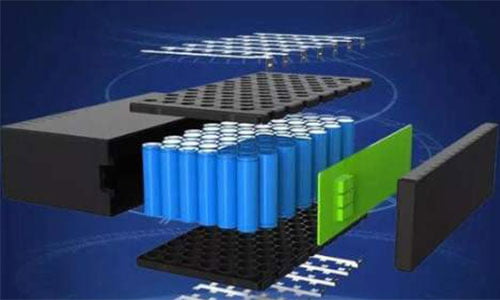
Individual 18650 cells must be configured into battery packs through series and parallel arrangements to achieve desired voltage and capacity specifications. A typical 48V off-grid system utilizes 13 or 14 cells in series (13S or 14S configuration), with multiple parallel strings to increase total capacity. The quality of cell matching becomes critical—variations in capacity, internal resistance, and self-discharge rates between cells can lead to imbalanced charging, reduced pack lifespan, and potential safety hazards.
Battery Management Systems (BMS) are non-negotiable components for professional off-grid installations. A robust BMS provides cell-level voltage monitoring, temperature sensing, balance charging, over-current protection, and state-of-charge estimation. For engineers evaluating suppliers, verify that the BMS supports communication protocols such as CAN bus or RS485 for integration with inverters and monitoring systems. Comprehensive protection features should include over-charge, over-discharge, short-circuit, and thermal runaway prevention mechanisms.
Sourcing Considerations for Professional Procurement
When sourcing 18650 cells for commercial off-grid projects, working with established battery manufacturers in China provides access to competitive pricing without compromising quality standards. Reputable manufacturers maintain ISO 9001 certification, implement rigorous quality control processes, and provide comprehensive testing documentation including IEC 62619 and UN 38.3 compliance certificates. Technical procurement teams should request sample cells for independent validation before committing to large-volume orders.
For detailed product specifications and technical documentation, explore the available cylindrical battery cell options that meet international standards. Working directly with manufacturers enables customization of pack configurations, BMS programming, and connector types to match specific project requirements. This direct engagement also facilitates better after-sales support and warranty terms compared to distributor channels.
Long-Term Performance and Maintenance Planning
Off-grid storage systems require long-term performance predictability for financial modeling and maintenance planning. Quality 18650-based systems should maintain 80% of initial capacity after 2,000-3,000 complete cycles under proper operating conditions. Annual capacity degradation typically ranges from 2-3% when cells operate within recommended temperature and charge/discharge parameters. Procurement contracts should include performance guarantees and clear warranty terms covering capacity retention thresholds.
Regular maintenance protocols should include quarterly voltage balance checks, annual capacity testing, and continuous temperature monitoring through the BMS. Remote monitoring capabilities enable proactive maintenance scheduling and early fault detection, minimizing system downtime in remote locations. For comprehensive manufacturer support and technical consultation, visit the official contact page to establish direct communication channels with engineering teams.
Conclusion
The 18650 battery cell represents a mature, cost-effective solution for off-grid energy storage when properly specified and integrated. Success depends on selecting appropriate chemistry for your application, implementing robust BMS protection, configuring cells correctly, and partnering with qualified manufacturers. For professionals evaluating battery manufacturers in China, prioritize suppliers with proven track records, comprehensive testing capabilities, and transparent technical documentation. With proper engineering and procurement practices, 18650-based off-grid systems deliver reliable performance for 10-15 years, providing sustainable energy independence for remote applications worldwide.