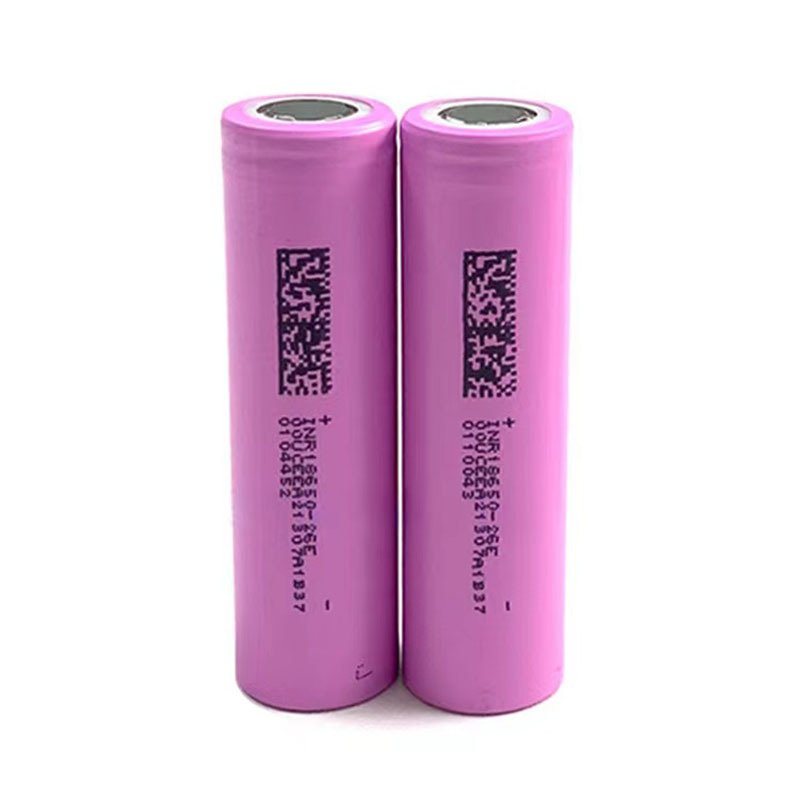
18650 LFP OEM Custom – UN38.3 MSDS for Medical Devices 2026
In the rapidly evolving landscape of medical device manufacturing, the selection of reliable power solutions has become increasingly critical. For 2026, 18650 LFP (Lithium Iron Phosphate) batteries with proper UN38.3 certification and MSDS documentation represent the gold standard for medical applications requiring long-term reliability, thermal stability, and regulatory compliance. This technical guide addresses key considerations for engineers and procurement specialists evaluating OEM custom battery solutions.
Understanding UN38.3 Certification Requirements for 2026
UN38.3 remains the mandatory international transportation safety standard for lithium batteries, established by the United Nations Manual of Tests and Criteria. Recent updates in 2025-2026 have introduced stricter testing protocols, particularly for medical device applications where failure is not an option.
The certification encompasses eight critical test categories:
- Altitude Simulation (T.1): Batteries must withstand 11.6 kPa low-pressure environments for 6 hours, verifying seal integrity and electrolyte leakage resistance.
- Thermal Test (T.2): Temperature cycling between -40°C and +75°C with 30-minute dwells, repeated for 10 cycles to assess thermal stability.
- Vibration (T.3): Sinusoidal vibration testing simulating transportation conditions, with medical-grade batteries requiring additional post-test capacity retention verification (≤20% degradation).
- Shock (T.4): 150g peak acceleration shock testing in three perpendicular directions.
- External Short Circuit (T.5): Testing at 55°C with external resistance ≤0.1 ohm, requiring CID (Current Interrupt Device) activation within specified timeframes.
- Impact/Crush (T.6): Mechanical abuse testing verifying structural integrity under compression loads.
- Overcharge (T.7): Charging at 2C rate beyond rated capacity, monitoring thermal runaway prevention mechanisms.
- Forced Discharge (T.8): Reverse polarity testing to evaluate protection circuit effectiveness.
Critical Update for 2026: UN38.3 reports are no longer considered valid indefinitely. Standards update every 2-3 years, and customs authorities increasingly reject outdated documentation. Medical device manufacturers must ensure certification reflects current revision requirements.
LFP Chemistry Advantages for Medical Applications
Lithium Iron Phosphate (LiFePO₄) chemistry offers distinct advantages over NCM/NCA alternatives for medical devices:
Thermal Stability: LFP’s olivine crystal structure provides superior thermal runaway resistance, with decomposition temperatures exceeding 270°C compared to 150-200°C for cobalt-based chemistries. This characteristic is paramount for devices operating in controlled healthcare environments.
Cycle Life: Medical equipment often requires 10+ year operational lifespans. 18650 LFP cells typically deliver 2000-5000 full cycles at 80% depth of discharge, significantly outperforming alternatives.
Safety Profile: The absence of cobalt reduces toxicity concerns and eliminates supply chain ethical issues, while the stable phosphate bond minimizes oxygen release during fault conditions.
Voltage Characteristics: Nominal 3.2V operating voltage with flat discharge curves enables predictable power delivery for sensitive medical instrumentation.
MSDS Documentation Requirements
Material Safety Data Sheets (MSDS/SDS) complement UN38.3 certification by providing comprehensive chemical safety information. For medical device applications, MSDS must include:
- Complete chemical composition disclosure
- Emergency response procedures
- Storage and handling guidelines
- Disposal protocols compliant with regional regulations (EU REACH, US EPA, etc.)
- Transportation classification under IMDG/IATA regulations
Best Practice: Request MSDS documentation directly from cell manufacturers rather than third-party distributors to ensure accuracy and liability coverage.
OEM Customization Considerations
When evaluating OEM partners for 18650 LFP solutions, technical procurement teams should verify:
Manufacturing Certifications: ISO 13485 (medical devices), ISO 9001, and IATF 16949 indicate quality management system maturity.
Testing Capabilities: In-house testing laboratories with UN38.3 accredited facilities reduce lead times and ensure consistent quality control.
Traceability: Complete cell-level traceability from raw materials through final assembly supports medical device regulatory submissions (FDA 510(k), EU MDR).
Customization Flexibility: Capacity options (typically 1500-3500mAh for 18650), terminal configurations, and protective circuit integration should align with specific device requirements.
Supply Chain Compliance for 2026
Global customs enforcement has intensified regarding lithium battery documentation. Common rejection reasons include:
- Expired UN38.3 test reports
- Missing MSDS or incomplete chemical disclosure
- Inconsistent labeling between cells, packs, and shipping documentation
- Absence of battery-specific transport declarations
Recommendation: Establish direct relationships with manufacturers maintaining current certification portfolios rather than relying on distributor documentation.
Technical Specifications Reference
| Parameter | Typical 18650 LFP Value |
|---|---|
| Nominal Capacity | 1500-3500 mAh |
| Nominal Voltage | 3.2V |
| Max Continuous Discharge | 1-3C |
| Operating Temperature | -20°C to +60°C |
| Cycle Life | 2000-5000 cycles |
| Energy Density | 90-160 Wh/kg |
Conclusion
For medical device manufacturers entering 2026, selecting properly certified 18650 LFP battery solutions requires comprehensive evaluation of UN38.3 compliance, MSDS accuracy, and OEM manufacturing capabilities. The convergence of stricter transportation regulations and heightened medical device safety requirements demands partnerships with manufacturers maintaining current certifications and technical expertise.
Engineers and procurement specialists seeking verified 18650 LFP solutions with complete UN38.3 and MSDS documentation should evaluate established manufacturers with proven medical device supply chain experience. For detailed product specifications and certification portfolios, visit our cylindrical battery cell offerings or connect with our technical team through our contact page. Additional information about certified battery manufacturers in China is available for supply chain evaluation purposes.
Proper documentation and certified manufacturing partners remain essential for successful medical device market entry in 2026’s increasingly regulated environment.