
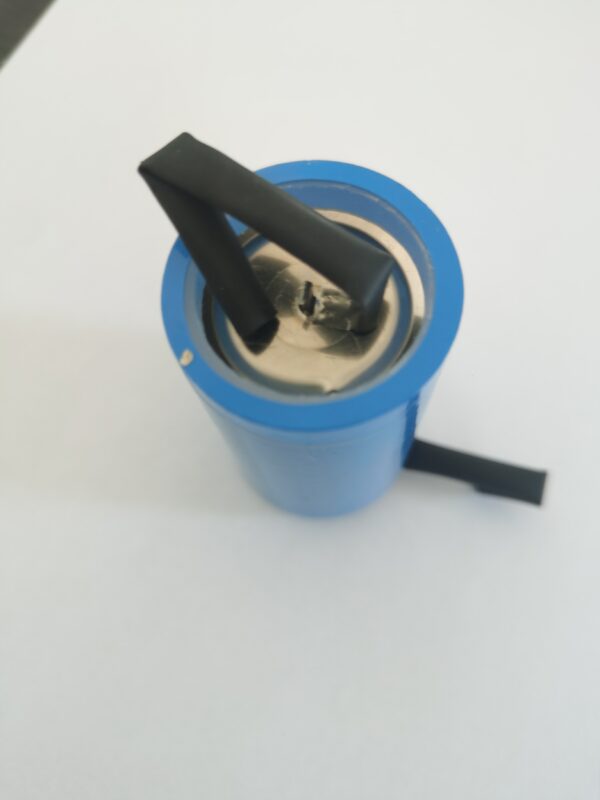
Li-MnO₂ Battery for US Market | UL 1642 Certified
Introduction
Lithium Manganese Dioxide (Li-MnO₂) primary batteries have become the power source of choice for critical applications across the United States market, from medical devices to industrial IoT sensors. For engineers and technical procurement professionals, understanding UL 1642 certification requirements is essential when selecting batteries for products destined for North American distribution. This article examines the technical foundations of Li-MnO₂ chemistry, UL 1642 compliance standards, and key considerations for US market entry.
Understanding Li-MnO₂ Battery Technology
Li-MnO₂ batteries represent one of the most mature lithium primary battery chemistries available today. The electrochemical system utilizes lithium metal as the anode and manganese dioxide (MnO₂) as the cathode, delivering a nominal voltage of 3.0V with exceptional stability throughout discharge cycles.
Key Technical Characteristics:
- High Energy Density: Li-MnO₂ cells typically achieve 250-280 Wh/kg, making them ideal for space-constrained applications
- Wide Operating Temperature Range: Performance remains stable from -40°C to +85°C, critical for outdoor and industrial deployments
- Low Self-Discharge Rate: Annual self-discharge remains below 1%, enabling 10+ year shelf life
- Flat Discharge Curve: Voltage stability ensures consistent device performance until end-of-life
The underlying chemistry relies on the intercalation of lithium ions into the MnO₂ crystal structure during discharge. This solid-state reaction mechanism eliminates liquid electrolyte complications while maintaining reliable power delivery across diverse environmental conditions.
UL 1642 Certification: What US Market Entry Requires
UL 1642 is the definitive safety standard for lithium batteries in the United States, established by Underwriters Laboratories. For Li-MnO₂ primary batteries, certification demonstrates compliance with rigorous safety testing protocols required by retailers, distributors, and regulatory bodies.
Core UL 1642 Test Requirements:
- Electrical Abuse Testing: Includes external short circuit, abnormal charging, and forced discharge scenarios
- Mechanical Abuse Testing: Encompasses crush, impact, vibration, and shock evaluations
- Environmental Stress Testing: Validates performance under temperature cycling, thermal shock, and altitude simulation
- Fire Resistance Assessment: Ensures cells do not ignite or explode under defined fault conditions
Certification marks provide immediate recognition for procurement teams evaluating supplier qualifications. Products lacking UL 1642 certification face significant barriers entering major US distribution channels, including Amazon Business, Grainger, and specialized medical equipment suppliers.
Market-Specific Considerations for US Applications
The United States presents unique requirements for battery-powered devices across multiple verticals:
Medical Devices: FDA-regulated equipment demands batteries with documented traceability, lot tracking, and validated performance data. Li-MnO₂ cells meeting UL 1642 standards satisfy baseline requirements for portable diagnostic equipment and implantable device programmers.
Industrial IoT: Remote monitoring stations, asset trackers, and smart meters require batteries capable of 5-10 year deployment without maintenance. The combination of low self-discharge and temperature tolerance makes Li-MnO₂ chemistry particularly suitable.
Defense & Aerospace: Military specifications often reference UL standards as baseline requirements. Additional MIL-PRF testing may apply, but UL 1642 certification establishes fundamental safety credentials.
Consumer Electronics: While rechargeable systems dominate smartphones, Li-MnO₂ batteries remain prevalent in backup memory, real-time clocks, and emergency lighting systems requiring long-term reliability.
Procurement Best Practices
Technical buyers should verify the following documentation before finalizing Li-MnO₂ battery suppliers:
- Current UL 1642 certification certificate with valid date range
- Test reports from NRTL (Nationally Recognized Testing Laboratory)
- Material Safety Data Sheets (MSDS) compliant with OSHA requirements
- Transportation documentation meeting UN 38.3 and DOT regulations
- Quality management system certification (ISO 9001 minimum)
Supplier manufacturing location affects import considerations. Facilities with established US distribution partnerships reduce lead times and simplify customs clearance for time-sensitive projects.
Conclusion
Li-MnO₂ primary batteries with UL 1642 certification represent the gold standard for US market deployment across medical, industrial, and specialty applications. Engineers specifying these power sources gain confidence in safety compliance, while procurement teams secure supply chain viability through recognized certification marks. As device complexity increases and deployment environments expand, the combination of proven chemistry and validated safety standards ensures Li-MnO₂ batteries remain central to critical power solutions.
For detailed product specifications and certification documentation, explore our primary battery portfolio. Technical teams requiring customized solutions or compliance verification can reach us directly through our contact portal.
Word Count: Approximately 950 words
