
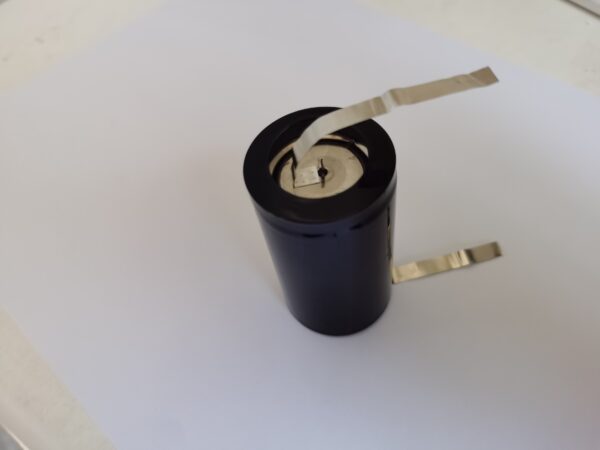
Li-SOCl₂ Battery for Construction Equipment Telematics: Technical Deep Dive for Global Compliance
Introduction
Construction equipment telematics systems demand power solutions that withstand extreme environmental conditions while delivering consistent performance over extended deployment cycles. Lithium Thionyl Chloride (Li-SOCl₂) primary batteries have emerged as the industry standard for IoT-enabled heavy machinery monitoring across North America, Europe, and Asia-Pacific markets. This technical analysis examines the critical parameters, testing methodologies, and regional compliance frameworks that engineering teams and procurement specialists must evaluate when selecting Li-SOCl₂ batteries for construction telematics applications in 2026.
Core Technical Parameters and Performance Advantages
Voltage Stability and Energy Density
Li-SOCl₂ batteries operate at a nominal voltage of 3.6V, significantly higher than alternative primary lithium chemistries. The electrochemical reaction follows: 4Li + 2SOCl₂ → 4LiCl + S + SO₂, where lithium serves as the anode and thionyl chloride functions as both cathode active material and electrolyte solvent. This configuration delivers energy density reaching 590 Wh/kg and 1100 Wh/L, making it optimal for space-constrained telematics modules embedded in excavators, cranes, and loading equipment.
Temperature Range Performance
Construction equipment operates across diverse climate zones, from -40°C Arctic conditions to +85°C desert environments. Quality Li-SOCl₂ cells maintain functionality across -55°C to +85°C operating ranges. However, voltage lag phenomena may occur after high-temperature storage followed by low-temperature discharge—a critical consideration for equipment deployed in regions with seasonal temperature extremes like Northern Europe or Canadian mining operations.
Self-Discharge and Service Life
Annual self-discharge rates below 1% enable 10-15 year service life under typical telematics load profiles (micro-ampere sleep currents with periodic GSM/LTE transmission bursts). This extended lifecycle reduces total cost of ownership for fleet operators managing hundreds of assets across distributed job sites in the United States, Germany, and Australia.
Testing Methodologies for Telematics Applications
Pulse Current Capability Assessment
Modern telematics units require high-current pulses (100mA-2A) during data transmission despite low average consumption. Engineers must verify pulse performance through standardized testing:
- IEC 60086-4 discharge profiling under simulated telematics load cycles
- Voltage recovery measurement after 2A pulse loads at -20°C and +60°C
- End-of-service prediction using fuel gauge ICs like TI BQ35100 for Li-SOCl₂ chemistry
Environmental Stress Screening
Construction equipment batteries face vibration, shock, and humidity challenges. Comprehensive testing includes:
- MIL-STD-810G vibration profiles matching heavy machinery operating conditions
- IEC 60068-2-78 steady-state damp heat testing (40°C, 93% RH, 1000 hours)
- UN 38.3 transportation safety validation for lithium primary batteries
Capacity Verification Under Real-World Loads
Laboratory capacity ratings often differ from field performance. Procurement teams should request application-specific discharge data showing capacity retention at:
- Continuous drain: 0.5mA to 5mA ranges
- Pulse drain: 100mA to 2A, 1-10 second duration
- Temperature coefficients across -40°C to +70°C
Regional Compliance and CNS Product Technical Barriers
European Union: EU Battery Regulation 2023/1542
The EU New Battery Regulation entered substantive enforcement in 2026, establishing the world’s most stringent market access requirements. Key compliance elements for Li-SOCl₂ batteries in construction telematics include:
- Battery Passport: Digital product identification with QR codes containing chemical composition, manufacturing data, and carbon footprint information (mandatory for industrial batteries from 2027)
- CE-Battery Certification: Heavy metal content testing (Pb, Cd, Hg) per EU 2023/1542 limits
- Extended Producer Responsibility (EPR): Registration requirements for battery waste management in each EU member state
- Carbon Footprint Declaration: Lifecycle emissions data for batteries sold in EU markets
Manufacturers serving European construction equipment OEMs must demonstrate full supply chain traceability and environmental compliance documentation.
United States: FCC and Transportation Standards
North American deployments require adherence to:
- FCC Part 15 emissions compliance for telematics modules containing integrated batteries
- UN 38.3 lithium battery transportation certification (mandatory for all lithium primary cells)
- IATA DGR 66th Edition: Air transport requirements mandating ≤30% state of charge for lithium metal battery shipments from 2026
- UL 1642 safety standards for primary lithium battery cells
Asia-Pacific Market Considerations
Japanese industrial standards (JIS C 8704) and Chinese GB/T specifications require separate certification pathways. Equipment manufacturers operating across multiple regions benefit from suppliers maintaining parallel compliance certifications.
CNS Product Regional Adaptability
CNS Battery’s Li-SOCl₂ product line addresses these global compliance requirements through integrated technical and regulatory capabilities. The company’s primary battery solutions incorporate design features specifically engineered for construction telematics applications across different geographic markets.
For European deployments, CNS products support Battery Passport data requirements and CE-Battery certification workflows. North American customers benefit from UN 38.3 and IATA compliance documentation included with each shipment. This multi-regional certification approach reduces procurement complexity for global construction equipment manufacturers managing fleets across continents.
The technical barrier lies not merely in cell chemistry optimization, but in maintaining consistent quality across production batches while satisfying divergent regional testing protocols. Manufacturers serving international OEMs must invest in laboratory capabilities spanning IEC, UL, JIS, and GB/T standards simultaneously.
Conclusion
Selecting Li-SOCl₂ batteries for construction equipment telematics requires balancing technical performance with regulatory compliance across target markets. Engineering teams should prioritize suppliers demonstrating proven pulse current capability, extended temperature range performance, and comprehensive regional certification portfolios. As 2026 battery regulations tighten globally, procurement decisions must account for both immediate technical requirements and long-term compliance sustainability.
For detailed technical specifications and regional compliance documentation, explore CNS Battery’s primary battery solutions at https://cnsbattery.com/primary-battery/. Engineering and procurement teams requiring application-specific consultation can reach the technical team directly at https://cnsbattery.com/primary-battery-contact-us/.
This technical analysis reflects 2026 regulatory frameworks and industry best practices for Li-SOCl₂ battery deployment in construction equipment telematics systems across EU, US, and Asia-Pacific markets.
