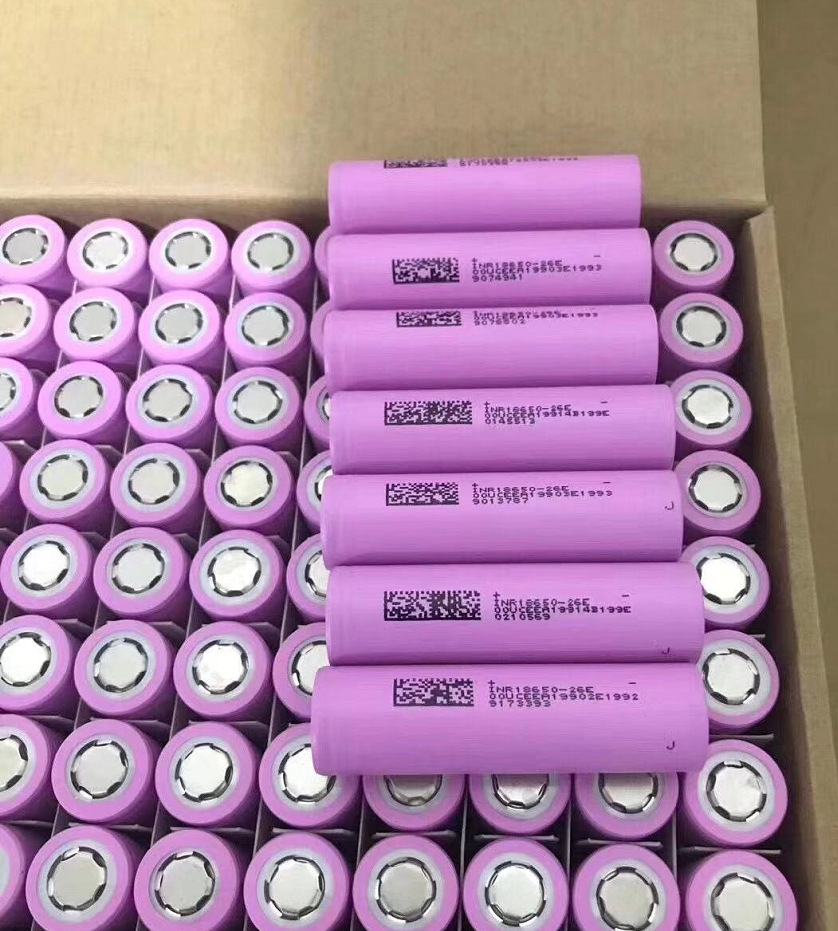
Bulk Cylindrical Battery Competitive Price | CNS BATTERY
Navigating the 2026 Lithium Market: Strategic Sourcing for Cylindrical Cells
The global lithium battery landscape is undergoing significant transformation in 2026. With lithium carbonate prices stabilizing between $13,000-$17,000 per ton following the 2025 market correction, manufacturers and technical procurers face a critical decision point. For engineering teams evaluating bulk cylindrical battery solutions, understanding the intersection of competitive pricing, technical specifications, and regional compliance has never been more essential. CNS BATTERY positions itself at this convergence, delivering cylindrical cells that balance cost efficiency with rigorous performance standards.
Technical Architecture: Why Cylindrical Format Remains Dominant
Cylindrical lithium-ion cells maintain structural advantages that justify their continued market prevalence across EV, energy storage, and industrial applications. The cylindrical geometry distributes internal pressure evenly during charge-discharge cycles, reducing mechanical stress on the separator and electrode layers. This fundamental design principle translates directly to enhanced cycle life and thermal stability.
Key Technical Parameters for 2026 Procurement:
- Energy Density: Premium cylindrical cells now achieve 280-320 Wh/kg at the cell level, with LFP variants offering 180-220 Wh/kg with superior thermal runaway resistance
- Cycle Life: NMC formulations deliver 2,000-3,000 cycles at 80% DOD; LFP chemistry extends to 5,000-7,000 cycles
- C-Rating: Standard discharge rates of 1C-3C, with high-power variants supporting 5C-10C bursts for specialized applications
- Operating Temperature: -20°C to 60°C standard range, with extended variants reaching -30°C to 70°C
The 2026 market shows particular strength in 18650, 21700, and 4680 form factors, each serving distinct application segments. Volume procurement directly impacts per-unit economics, with bulk orders (10,000+ cells) achieving 15-25% cost reduction compared to standard pricing tiers.
Testing Protocols: Validation Beyond Basic Specifications
Competitive pricing cannot compromise verification rigor. CNS BATTERY implements multi-layer testing protocols aligned with international standards:
Electrical Performance Testing:
- Capacity verification at 0.2C, 0.5C, 1C discharge rates
- Internal resistance measurement using AC impedance spectroscopy
- Self-discharge rate monitoring over 28-day storage periods
Safety & Compliance Testing:
- Overcharge/over-discharge protection validation
- Short-circuit response testing per IEC 62133 requirements
- Thermal abuse testing including heating, nail penetration, and crush tests
- Vibration and mechanical shock testing per UN 38.3 transportation standards
Environmental Durability:
- Temperature cycling between -40°C and 85°C for 500+ cycles
- Humidity exposure testing at 85% RH, 85°C for 1,000 hours
- Salt spray corrosion testing for marine and coastal applications
These testing methodologies ensure cells meet not only baseline specifications but also real-world operational demands across diverse deployment environments.
Regional Compliance: EU and US Market Access
For technical procurers targeting European and North American markets, regulatory compliance represents a non-negotiable procurement criterion. CNS BATTERY cylindrical cells are engineered with regional certification requirements embedded from the design phase.
European Union Compliance:
- CE Marking: Full compliance with EU Battery Regulation 2023/1542, including carbon footprint documentation and recycled content disclosure
- RoHS Directive: Restriction of hazardous substances verification
- REACH Regulation: Chemical substance registration and safety data sheet compliance
- IEC 62619: Industrial lithium battery safety standard certification
United States Compliance:
- UL 1642: Lithium cell safety certification
- UL 2054: Household and commercial battery system standards
- UN 38.3: Transportation safety requirements for lithium batteries
- California Title 20: Energy efficiency standards for applicable applications
The 2026 regulatory landscape introduces additional documentation requirements, particularly around battery passport initiatives in the EU and supply chain traceability mandates in the US. CNS BATTERY maintains comprehensive documentation packages that streamline customs clearance and market entry processes.
Supply Chain Transparency: China Manufacturing Advantage
The geographic concentration of lithium battery manufacturing in China continues to offer significant cost advantages without sacrificing quality. CNS BATTERY leverages established supply chain networks in Jiangsu and Guangdong provinces, where vertical integration from cathode material processing to cell assembly reduces lead times and cost volatility. For detailed information about our manufacturing capabilities, visit https://cnsbattery.com/battery-manufacturers-in-china/
This manufacturing positioning enables competitive pricing structures while maintaining ISO 9001, ISO 14001, and IATF 16949 quality management certifications. Bulk procurement agreements include price protection clauses that shield customers from raw material fluctuations exceeding 10% quarterly variance.
Strategic Procurement Recommendations
For engineering teams developing 2026 product roadmaps, we recommend the following procurement strategy:
- Lock pricing early: With lithium market projections indicating potential 30-40% price increases through 2027, securing volume contracts in Q1-Q2 2026 provides significant cost advantages
- Diversify chemistry options: Maintain LFP and NMC supply channels to balance cost, energy density, and safety requirements across product lines
- Validate certification documentation: Request complete test reports and certification packages before production commitment
- Establish technical communication channels: Direct engineering support accelerates troubleshooting and optimization
For technical consultations and customized quotations, our engineering team remains accessible at https://cnsbattery.com/contact-2/
Product Portfolio Access
CNS BATTERY’s cylindrical cell portfolio spans multiple form factors and chemistry options designed for diverse application requirements. Detailed specifications, datasheets, and application notes are available at https://cnsbattery.com/products-3/cylindrical-battery-cell/
Conclusion: The 2026 cylindrical battery market rewards informed procurers who balance competitive pricing with technical validation and regulatory compliance. CNS BATTERY delivers this balance through transparent manufacturing, rigorous testing protocols, and regional certification support. For bulk procurement inquiries requiring engineering-level technical discussion, our team stands ready to support your 2026-2027 product development cycles with cells that meet both performance expectations and market access requirements.