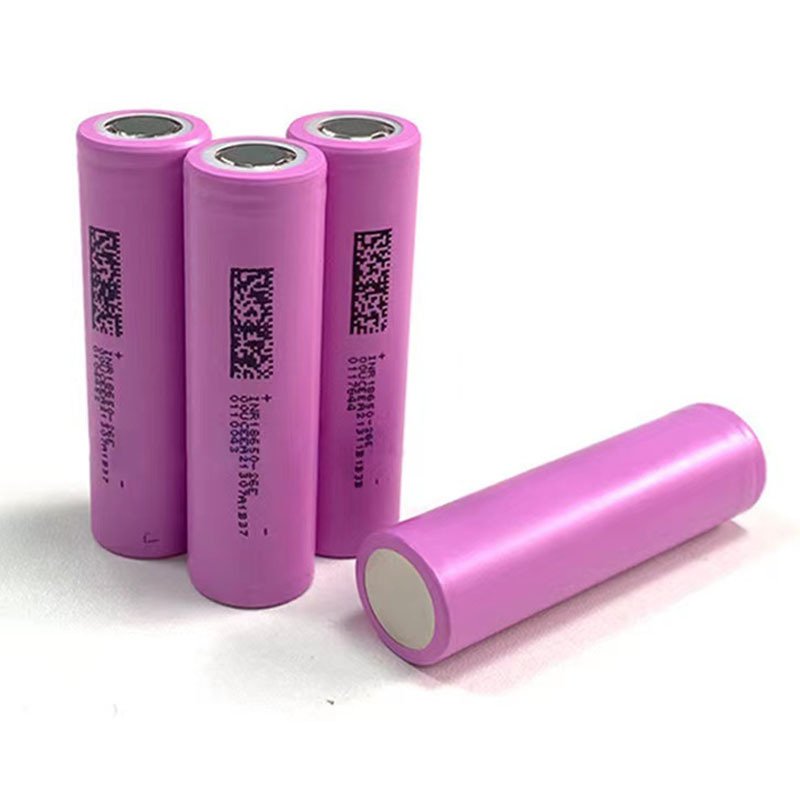
32700 Battery Cell For Electric Boat | CNS BATTERY
Powering the Future of Marine Electrification
The global maritime industry is undergoing a significant transformation toward electrification, and battery selection has become a critical decision point for boat manufacturers, system integrators, and fleet operators. Among various cylindrical cell formats, the 32700 lithium battery cell has emerged as a compelling solution for electric boat applications, balancing capacity, safety, and structural efficiency.
Understanding 32700 Cell Specifications
The 32700 designation refers to a cylindrical battery cell with 32mm diameter and 70mm height. This larger form factor compared to common 18650 or 21700 cells delivers substantially higher single-cell capacity, typically ranging from 6,000mAh to 6,500mAh at nominal 3.2V for LiFePO4 chemistry. For marine applications, this translates to approximately 19-21Wh per cell.
Key technical parameters for marine-grade 32700 cells include:
- Nominal Voltage: 3.2V (LiFePO4)
- Capacity: 6,000-6,500mAh per cell
- Cycle Life: 2,000-3,000 cycles at 80% DOD
- Operating Temperature: -10°C to 55°C (discharge), 0°C to 45°C (charge)
- Maximum Continuous Discharge: 3C-5C depending on configuration
The phosphate-based chemistry (LiFePO4) is particularly suited for marine environments due to its inherent thermal stability and reduced risk of thermal runaway compared to NMC or NCA chemistries.
Marine Application Advantages
1. Structural Efficiency
The larger 32700 format reduces the total cell count required for a given pack capacity. For a 48V/100Ah marine battery system, approximately 540 cells would be needed using 18650 format, whereas only 150-160 cells are required with 32700 configuration. This reduction simplifies BMS complexity, welding processes, and quality control procedures.
2. Safety Compliance
Marine battery systems must meet stringent safety standards. LiFePO4 32700 cells offer superior thermal stability, with thermal runaway initiation temperatures exceeding 270°C. This characteristic is essential for enclosed engine compartments where heat accumulation poses risks.
3. Vibration Resistance
The robust cylindrical construction provides excellent mechanical durability against continuous vibration and shock loads experienced during boat operation. Proper potting and module design further enhance resistance to marine environmental stresses.
Regulatory Compliance Considerations
For international boat manufacturers, battery procurement must account for multiple certification requirements:
- UN38.3: Mandatory for lithium battery transportation
- IEC 62619: Safety requirements for secondary lithium cells in industrial applications
- UL 1642/UL 2054: North American safety standards
- CE/ROHS: European compliance requirements
- CCS/DNV/ABS: Marine-specific type approval for commercial vessels
Working with established battery manufacturers in China who maintain these certifications streamlines the compliance process and reduces time-to-market for electric boat programs.
Real-World Implementation Case
A European electric ferry operator recently transitioned from lead-acid to 32700 LiFePO4 battery packs for their 12-passenger sightseeing vessels. The 48V/400Ah system utilizes 960 cells arranged in 15S64P configuration, delivering:
- 19.2 kWh usable capacity
- 50km operational range per charge
- 8-year warranty with 70% capacity retention guarantee
- IP67 enclosure rating for water resistance
The project achieved 40% weight reduction compared to the previous lead-acid installation while tripling cycle life expectations.
Procurement Best Practices for B2B Buyers
1. Supplier Qualification
Verify manufacturer credentials including production capacity, quality management systems (ISO 9001), and track record in marine applications. Request sample cells for independent testing before committing to volume orders.
2. Technical Documentation
Ensure complete documentation package including:
- Cell specification sheets with tolerances
- Test reports from accredited laboratories
- Material safety data sheets (MSDS)
- Traceability records for batch tracking
3. Packaging and Logistics
Marine battery cells require UN-certified packaging for international shipping. Confirm supplier capability to handle export documentation and coordinate with freight forwarders experienced in dangerous goods transportation.
4. After-Sales Support
Establish clear warranty terms, technical support channels, and replacement procedures. For mission-critical marine applications, consider maintaining spare cell inventory to minimize vessel downtime.
Integration Guidelines
Successful 32700 pack integration requires attention to several engineering aspects:
Thermal Management: While LiFePO4 chemistry is thermally stable, proper heat dissipation design extends cycle life. Consider passive cooling for small packs and active liquid cooling for high-capacity systems.
BMS Selection: Choose battery management systems with marine-grade conformal coating, accurate cell balancing, and communication protocols compatible with vessel monitoring systems (CAN bus, NMEA 2000).
Mechanical Design: Account for cell expansion during cycling (typically 3-5% thickness increase). Design module housings with appropriate compression and ventilation provisions.
Conclusion
The 32700 battery cell represents a practical solution for electric boat manufacturers seeking to optimize the balance between energy density, safety, and system complexity. As the marine electrification market continues expanding, partnering with experienced cell suppliers becomes increasingly important for project success.
For detailed product specifications and technical consultation on 32700 cylindrical battery cells, visit our product page. Our engineering team supports B2B customers throughout the specification, prototyping, and production phases.
To discuss your specific marine battery requirements or request samples, please contact us for personalized assistance. CNS BATTERY maintains production capacity for volume orders while ensuring consistent quality across all batches—a critical factor for marine applications where reliability directly impacts vessel safety and operational continuity.
This article provides general guidance for electric boat battery selection. Specific applications should be evaluated by qualified marine engineers considering vessel type, operational profiles, and local regulatory requirements.