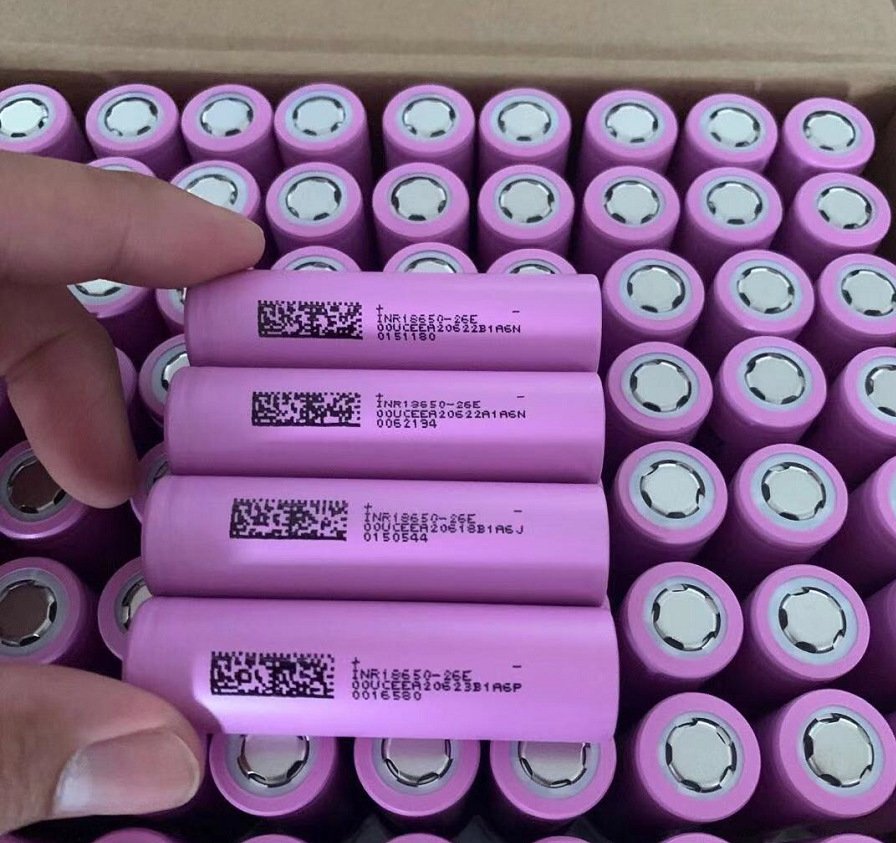
B2B 18650 LFP Cylindrical Battery Supplier China: UN38.3, UL, CE Certified Solutions for Global Engineers
Introduction
For engineering teams and technical procurement specialists sourcing 18650 LFP cylindrical batteries from China, certification compliance is non-negotiable. UN38.3, UL, and CE certifications represent the fundamental safety and quality benchmarks required for international distribution across the European Union, United States, and other regulated markets. This article provides a technical deep-dive into what these certifications mean for B2B buyers, the parameter advantages of LFP chemistry in 18650 format, and how Chinese manufacturers like CNS Battery align with regional compliance frameworks.
Understanding Core Certifications for 18650 LFP Cells
UN38.3: Transportation Safety Standard
UN38.3 is the United Nations standard governing lithium battery transportation safety. It encompasses eight mandatory tests including altitude simulation, thermal cycling, vibration, shock, external short circuit, impact, overcharge, and forced discharge. For B2B purchasers, UN38.3 certification ensures that 18650 LFP cylindrical cells can be shipped via air, sea, or ground freight without regulatory restrictions. Manufacturers must provide test summary reports documenting compliance before international logistics can proceed.
UL Certification: North American Market Access
UL (Underwriters Laboratories) certification validates electrical safety performance for the North American market. Key standards include UL 1642 for lithium cells and UL 2054 for battery packs. UL testing evaluates thermal runaway resistance, internal short circuit protection, and abuse tolerance. For engineering teams designing energy storage systems or electric mobility applications, UL certification reduces liability risks and facilitates retailer acceptance across the United States and Canada.
CE Marking: European Union Compliance
CE marking indicates conformity with EU health, safety, and environmental protection legislation. For lithium batteries, this encompasses the EU Battery Directive (2006/66/EC) and REACH chemical regulations. CE certification requires technical documentation, risk assessment, and conformity declaration. Technical procurement managers targeting European distributors must verify CE documentation authenticity through notified body references.
Technical Parameter Advantages of 18650 LFP Chemistry
Lithium Iron Phosphate (LFP) chemistry offers distinct advantages over traditional NMC or NCA formulations for specific B2B applications:
| Parameter | LFP 18650 | NMC 18650 |
|---|---|---|
| Cycle Life | 2000-5000 cycles | 500-1500 cycles |
| Thermal Stability | 270°C decomposition | 150°C decomposition |
| Nominal Voltage | 3.2V | 3.6-3.7V |
| Safety Rating | Higher (stable olivine structure) | Moderate |
The olivine crystal structure of LFP provides superior thermal stability, reducing thermal runaway risks during overcharge or mechanical abuse scenarios. This makes 18650 LFP cells particularly suitable for stationary energy storage, backup power systems, and industrial applications where safety outweighs energy density requirements.
Testing Methodologies for Quality Verification
Reputable Chinese manufacturers implement multi-stage testing protocols:
- Incoming Material Inspection: Raw material purity verification using ICP-MS analysis
- Cell Assembly Monitoring: Automated welding quality control with resistance testing
- Formation & Aging: 48-72 hour formation cycles with capacity grading
- Final QC Testing: 100% voltage, internal resistance, and capacity verification
- Batch Sampling: Destructive testing for cycle life and abuse tolerance validation
Engineering teams should request test reports documenting these procedures before finalizing procurement agreements.
Regional Compliance and CNS Product Technical Barriers
For global distribution, Chinese battery manufacturers must navigate varying regional technical barriers. CNS Battery maintains production facilities aligned with international certification requirements, supporting B2B customers targeting specific geographic markets.
European Market Adaptation: CE certification requires additional documentation including battery passport compliance under new EU Battery Regulation (EU) 2023/1542. Manufacturers must provide carbon footprint declarations and recycled content percentages.
United States Market Adaptation: Beyond UL certification, California Proposition 65 compliance and state-specific recycling program registration may be required. Technical documentation must support customs clearance at ports of entry.
Emerging Markets: Southeast Asian, Middle Eastern, and Latin American regions often accept UN38.3 with local authority registration. Manufacturer flexibility in documentation support becomes critical for market entry.
For technical procurement specialists evaluating Chinese suppliers, verification of certification authenticity through official databases is essential. Request original test reports rather than summary certificates, and confirm manufacturer registration with certification bodies.
Conclusion
Selecting a certified 18650 LFP cylindrical battery supplier from China requires thorough technical due diligence beyond price considerations. UN38.3, UL, and CE certifications represent minimum compliance thresholds for international distribution. Engineering teams should prioritize manufacturers with documented testing protocols, transparent supply chains, and regional compliance expertise.
For detailed product specifications and certification documentation, explore CNS Battery’s cylindrical battery cell offerings. Technical procurement teams can verify manufacturer credentials through CNS Battery’s manufacturer profile, and initiate direct communication for custom specifications via the contact page.
Regional compliance requirements continue evolving, particularly in the European Union with new battery passport regulations. Partner with suppliers demonstrating proactive adaptation to emerging technical barriers while maintaining cost competitiveness for B2B scale procurement.