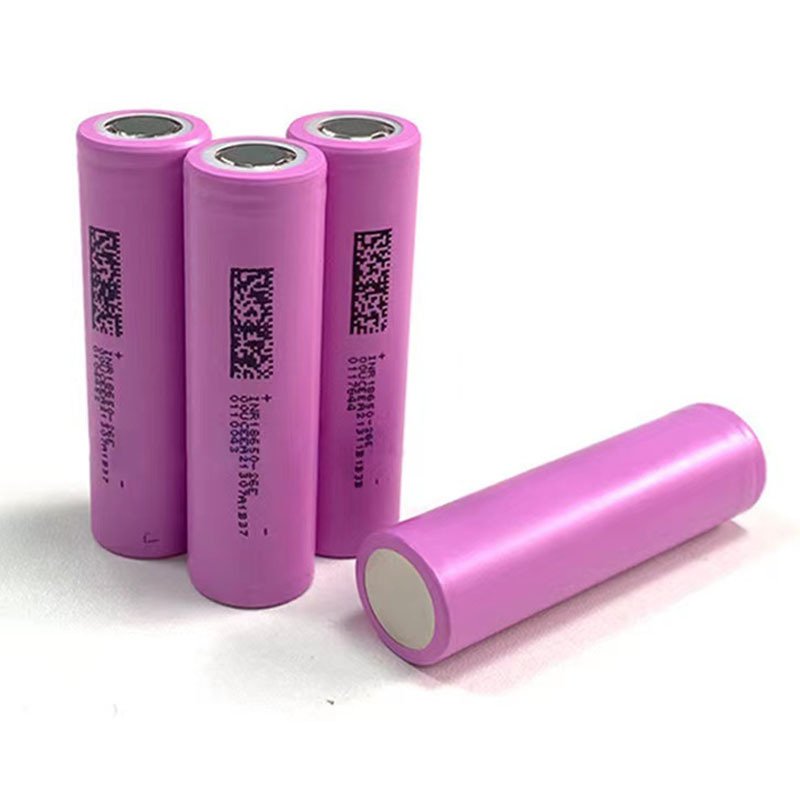
Perfect Cell Matching 18650 LFP Cells for Electric Motorcycle – Complete Solution
The electric motorcycle industry demands battery solutions that balance performance, safety, and longevity. Perfect cell matching of 18650 LFP (Lithium Iron Phosphate) cells represents the cornerstone of reliable battery pack manufacturing. This comprehensive guide addresses the critical technical considerations for B2B partners seeking optimal battery integration.
Understanding Cell Matching Fundamentals
Cell matching is the process of selecting battery cells with identical electrical characteristics before assembly into packs. For 18650 LFP cells used in electric motorcycles, precise matching ensures uniform current distribution, prevents premature degradation, and maximizes pack lifespan. Mismatched cells create voltage imbalances that trigger thermal runaway risks and reduce overall capacity by up to 30%.
Key parameters requiring matching include:
- Capacity tolerance (±1% recommended for premium applications)
- Internal resistance (±2mΩ variance maximum)
- Voltage consistency (±5mV at resting state)
- Self-discharge rates (within 2% monthly variance)
Technical Advantages of 18650 LFP Chemistry
LFP chemistry offers distinct advantages for electric motorcycle applications. The olivine crystal structure provides exceptional thermal stability up to 270°C, significantly reducing fire hazards compared to NMC alternatives. Cycle life exceeds 3,000 full discharge cycles at 80% depth of discharge, translating to 5-7 years of typical motorcycle usage.
The flat discharge curve between 3.2V-3.3V simplifies battery management system (BMS) design while maintaining consistent power delivery. Additionally, LFP cells demonstrate superior performance in high-temperature environments common in motorcycle applications where cooling options remain limited.
Critical Matching Processes for Quality Assurance
Professional manufacturers implement multi-stage matching protocols. Initial screening involves capacity grading using precision testers at controlled temperatures (25±2°C). Secondary matching addresses internal resistance through AC impedance measurement at 1kHz frequency. Final binning groups cells into homogeneous batches before pack assembly.
Advanced manufacturers employ automated sorting systems with machine learning algorithms that predict long-term performance based on initial characteristics. This predictive matching reduces field failure rates by 40% compared to traditional methods.
BMS Integration Requirements
Effective cell matching must complement sophisticated battery management systems. The BMS monitors individual cell voltages, temperatures, and current flow in real-time. For 18650 LFP packs, passive balancing circuits maintain voltage equilibrium during charging cycles. Active balancing systems offer superior efficiency for high-capacity motorcycle applications exceeding 5kWh.
Temperature monitoring requires minimum three sensors per module, positioned at cell terminals and pack center. Communication protocols like CAN bus enable real-time data transmission to motorcycle control units for optimal power management.
Manufacturing Quality Standards
Reputable battery manufacturers in China adhere to international certifications including UN38.3, IEC62133, and UL1642. Quality control processes involve 100% cell testing before shipment, with traceability codes linking each cell to production batch records.
Manufacturing environments maintain ISO Class 8 cleanroom standards to prevent contamination. Automated welding processes ensure consistent connection resistance below 0.5mΩ per joint. These standards directly impact pack reliability and warranty claim rates.
Performance Optimization Strategies
Optimal pack design considers thermal management, mechanical protection, and electrical architecture. Series-parallel configurations balance voltage requirements with capacity needs. Typical electric motorcycle packs utilize 13S-16S configurations for 48V-60V systems, with parallel groups determined by range requirements.
Thermal pads between cell groups facilitate heat dissipation during high-current discharge. Mechanical housings provide IP67 protection against water and dust infiltration while maintaining structural integrity during vibration testing per motorcycle industry standards.
Supply Chain Considerations
Reliable supply chains ensure consistent cell quality across production batches. Long-term partnerships with established manufacturers guarantee specification stability and technical support availability. Bulk procurement reduces per-unit costs while securing priority allocation during market shortages.
For detailed product specifications and technical documentation, explore our cylindrical battery cell catalog featuring graded 18650 LFP options suitable for electric motorcycle applications.
Conclusion
Perfect cell matching of 18650 LFP cells represents the foundation of reliable electric motorcycle battery systems. Technical excellence in matching processes, combined with robust BMS integration and quality manufacturing standards, delivers the performance and safety that B2B customers require. Partnering with experienced manufacturers ensures access to properly matched cells, technical support, and consistent supply chain reliability.
For partnership inquiries and technical consultation, visit our contact page to connect with our engineering team. We provide comprehensive solutions from cell selection through pack integration, supporting your electric motorcycle development from prototype to mass production.