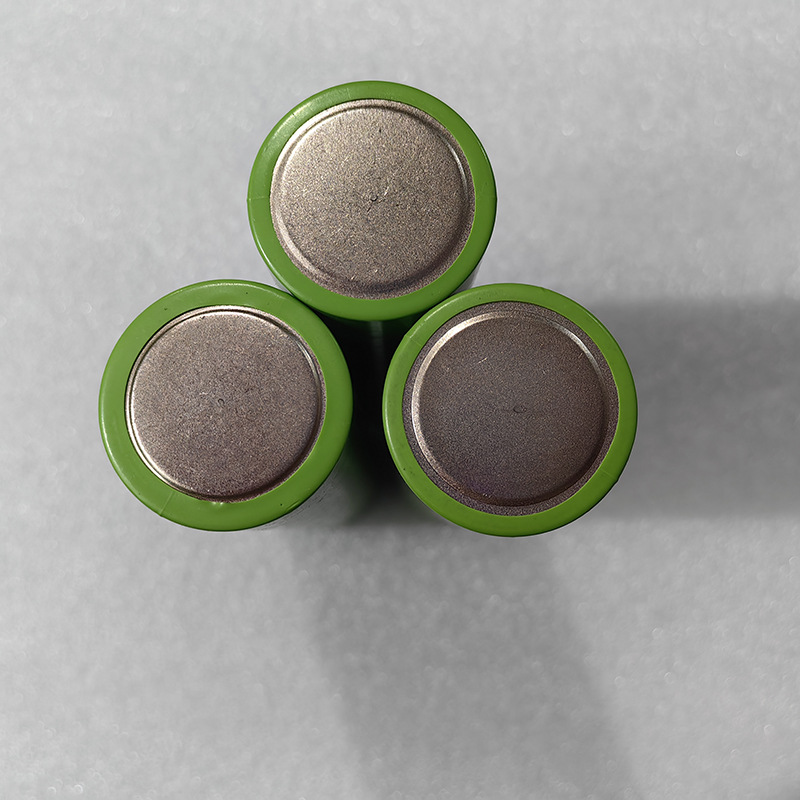
Wide Temperature Battery For Outdoor Power Equipment | CNS BATTERY
Outdoor power equipment operates in some of the most demanding environmental conditions imaginable. From freezing winter mornings to scorching summer afternoons, batteries powering these devices must deliver consistent performance across extreme temperature ranges. This is where wide temperature battery technology becomes critical for B2B buyers, equipment manufacturers, and distributors seeking reliable power solutions.
Understanding Wide Temperature Battery Technology
Wide temperature batteries are engineered to function optimally across extended thermal ranges, typically from -40°C to 60°C or beyond. Standard lithium-ion cells experience significant capacity loss and charging limitations outside the 0°C to 45°C range. Wide temperature variants incorporate specialized electrolyte formulations, enhanced separator materials, and advanced battery management systems (BMS) to overcome these limitations.
The core technical differentiators include low-temperature electrolyte additives that prevent freezing, high-temperature stable cathode materials, and thermal management integration. These features ensure stable voltage output, safe charging cycles, and extended cycle life regardless of ambient conditions.
Key Applications in Outdoor Power Equipment
The outdoor power equipment sector encompasses diverse machinery requiring dependable battery solutions:
- Landscaping Equipment: Commercial mowers, trimmers, and blowers operating year-round
- Agricultural Machinery: Autonomous tractors, harvesters, and monitoring devices
- Construction Tools: Drills, saws, and diagnostic equipment used on outdoor job sites
- Recreational Vehicles: ATVs, golf carts, and marine applications
- Remote Monitoring Systems: Weather stations, security cameras, and IoT sensors
Each application presents unique temperature challenges. For instance, landscaping equipment in northern Europe must start reliably at -30°C, while construction tools in Middle Eastern regions face sustained 50°C+ operating conditions.
Compliance and Certification Requirements
B2B buyers must verify that wide temperature batteries meet international safety and performance standards. Key certifications include:
- UN38.3: Mandatory for lithium battery transportation
- IEC 62619: Industrial lithium battery safety standard
- UL 1642/2054: North American safety certifications
- CE/RoHS: European compliance requirements
- MSDS: Material Safety Data Sheet for handling protocols
Non-compliant batteries pose significant liability risks and may face customs rejection. Always request certification documentation before procurement.
Procurement Considerations for B2B Buyers
When sourcing wide temperature batteries for outdoor equipment, focus on these critical factors:
1. Temperature Range Verification
Request detailed discharge/charge temperature curves from manufacturers. Verify performance claims through third-party testing reports rather than relying solely on specifications sheets.
2. Cycle Life Expectations
Wide temperature operation typically reduces cycle life compared to standard conditions. Expect 800-2000 cycles depending on temperature extremes and discharge rates. Clarify warranty terms covering temperature-related degradation.
3. BMS Integration
Ensure the battery management system includes temperature monitoring, low-temperature charging protection, and high-temperature discharge limiting. Compatible communication protocols (CAN, RS485, Bluetooth) facilitate equipment integration.
4. Supply Chain Reliability
Partner with established manufacturers maintaining consistent quality control. Visit production facilities when possible and audit quality management systems (ISO 9001, ISO 14001).
5. Customization Capabilities
Outdoor equipment often requires specific form factors, capacity ratings, or connector configurations. Evaluate manufacturer flexibility for custom solutions without compromising certification status.
Real-World Implementation Case
A North American landscaping equipment manufacturer recently transitioned from lead-acid to wide temperature lithium batteries across their commercial mower lineup. The primary challenge was ensuring reliable cold-weather starting in Canadian and Scandinavian markets. After evaluating multiple suppliers, they partnered with a Chinese battery manufacturer specializing in low-temperature chemistry.
The implementation resulted in 40% weight reduction, 3x longer runtime, and elimination of winter storage charging maintenance. Total cost of ownership decreased 25% over three years despite higher initial battery costs. This case demonstrates the tangible ROI achievable through proper wide temperature battery selection.
Partner Selection and Next Steps
Selecting the right battery partner requires thorough due diligence. Evaluate manufacturers based on technical capability, production capacity, quality systems, and after-sales support. Request sample units for field testing before committing to large orders. Establish clear communication channels for ongoing technical support and warranty claims.
For detailed product specifications and technical consultation, explore our cylindrical battery cell offerings designed for demanding outdoor applications. Our engineering team provides customization support to match your equipment requirements precisely.
When evaluating potential suppliers, consider working with established battery manufacturers in China who maintain international quality standards and export experience. This ensures smoother logistics, compliance documentation, and reliable supply chains.
Ready to discuss your wide temperature battery requirements? Contact our team for technical consultation, sample requests, or volume pricing discussions. Our specialists understand outdoor power equipment challenges and can recommend optimal solutions for your specific applications.
Conclusion
Wide temperature batteries represent essential technology for outdoor power equipment operating in extreme environments. B2B buyers who prioritize proper technical specifications, compliance verification, and supplier qualification will achieve superior performance outcomes and reduced total cost of ownership. As outdoor equipment electrification accelerates globally, investing in quality wide temperature battery solutions becomes a competitive differentiator for equipment manufacturers and distributors alike.