
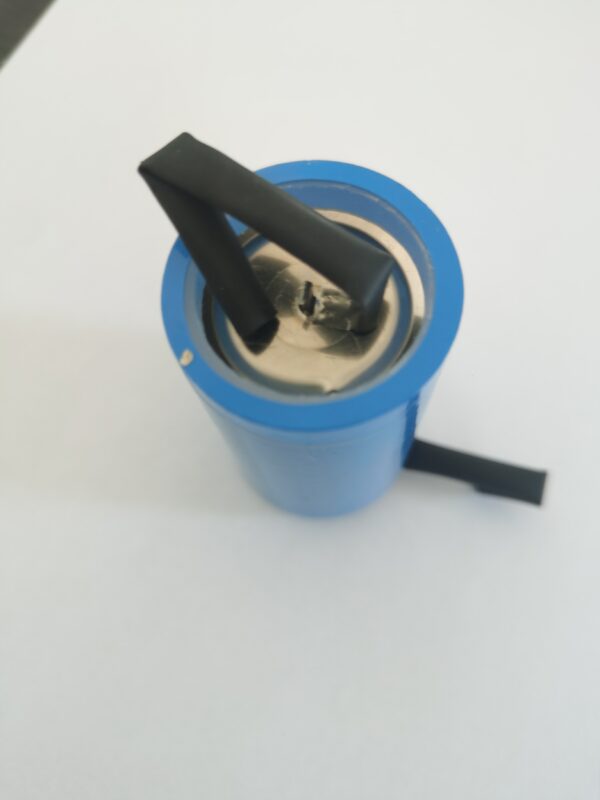
Lithium Battery for Chile Mining Industry | ATEX Certified
Powering Safe Operations in One of the World’s Most Demanding Mining Environments
Chile stands as the global leader in copper production, accounting for approximately 28% of worldwide output. The country’s mining operations, particularly in the Atacama Desert and northern regions, present unique challenges for power systems. Underground mining environments demand reliable, safe, and long-lasting energy solutions that can withstand extreme conditions while meeting stringent safety certifications. ATEX-certified lithium primary batteries have emerged as the critical power source for essential mining equipment, ensuring operational continuity without compromising worker safety.
Understanding ATEX Certification for Mining Applications
ATEX (ATmosphères EXplosibles) certification represents the European Union’s mandatory safety standard for equipment used in potentially explosive atmospheres. The current directive 2014/34/EU covers both electrical and mechanical equipment designed for use in environments containing combustible gases, vapors, mists, or dusts—conditions commonly found in underground mining operations.
For lithium primary batteries deployed in Chilean mining facilities, ATEX certification ensures:
- Intrinsic safety against ignition sources in hazardous zones (Zone 0, 1, 2 for gases; Zone 20, 21, 22 for dust)
- Temperature class compliance (T1-T6) matching specific mining environment requirements
- Equipment category designation (Category 1, 2, or 3) based on risk assessment
- CE marking validation for international market acceptance
Mining engineers and procurement specialists must verify that battery suppliers provide complete ATEX documentation, including Notified Body certificates and technical construction files.
Technical Advantages of Lithium Metal Primary Batteries
Lithium metal (non-rechargeable) batteries offer distinct advantages over alternative chemistries in mining applications:
Extended Operational Life
With energy densities reaching 500-700 Wh/kg, lithium primary batteries provide 3-5 times longer service life compared to alkaline alternatives. This reduces maintenance intervals in remote underground locations where equipment access presents logistical challenges.
Wide Temperature Performance
Chilean mining operations experience temperature variations from -40°C to +85°C. Lithium thionyl chloride (Li-SOCl₂) and lithium manganese dioxide (Li-MnO₂) chemistries maintain stable voltage output across this entire range, ensuring reliable sensor and monitoring system operation.
Low Self-Discharge Rate
Annual self-discharge rates below 1% enable long-term storage without capacity degradation—critical for emergency backup systems and seasonal equipment deployment.
Zero Thermal Runaway Risk
Unlike lithium-ion rechargeable batteries, primary lithium cells eliminate thermal runaway concerns in confined underground spaces, significantly reducing explosion hazards in methane-prone environments.
Chile-Specific Mining Requirements
Chile’s National Geology and Mining Service (SERNAGEOMIN) enforces strict safety regulations for underground operations. Key considerations for battery selection include:
Ventilation Zone Classification: Different mining sections require varying protection levels based on gas concentration monitoring. Battery-powered equipment must match zone-specific ATEX categories.
Corrosion Resistance: High humidity and mineral dust in Chilean copper mines demand IP67 or higher ingress protection ratings for battery housings.
Transportation Compliance: Recent 2025-2026 IATA Dangerous Goods Regulations require lithium metal batteries for air transport to maintain State of Charge (SoC) below 30% for certain configurations, impacting logistics planning for equipment imports.
Selection Criteria for Technical Procurement Teams
When evaluating ATEX-certified lithium primary batteries for Chilean mining projects, engineering teams should verify:
- Certificate Validity: Confirm ATEX documentation originates from EU-recognized Notified Bodies (e.g., PTB, DEKRA, SGS)
- Chemistry Compatibility: Match battery chemistry to application current drain profiles (Li-SOCl₂ for low-current sensors; Li-MnO₂ for medium-drain devices)
- Voltage Stability: Ensure minimal voltage drop throughout discharge cycle for consistent equipment performance
- Local Support: Verify supplier capability for technical support and replacement logistics within South American time zones
- Total Cost of Ownership: Calculate lifecycle costs including replacement frequency, maintenance labor, and downtime impacts
Partnering with Certified Battery Suppliers
Selecting the right battery partner requires thorough due diligence. Reputable manufacturers provide comprehensive technical documentation, including:
- ATEX certificates with specific equipment codes
- UN 38.3 transportation test reports
- Material Safety Data Sheets (MSDS)
- Application engineering support for custom configurations
For detailed product specifications and technical consultation on ATEX-certified primary battery solutions, visit our product catalog. Our engineering team specializes in mining industry applications and can provide customized power solutions meeting Chilean regulatory requirements.
Conclusion
As Chile’s mining industry continues modernizing operations through automated monitoring systems, remote sensors, and safety equipment, the demand for reliable ATEX-certified lithium primary batteries will only increase. Technical procurement teams must prioritize certified suppliers who understand both international safety standards and local operational requirements. Investing in properly certified power systems protects both personnel safety and operational continuity in one of the world’s most critical mining regions.
For project-specific technical inquiries and certification documentation, contact our technical support team to discuss your mining application requirements.
