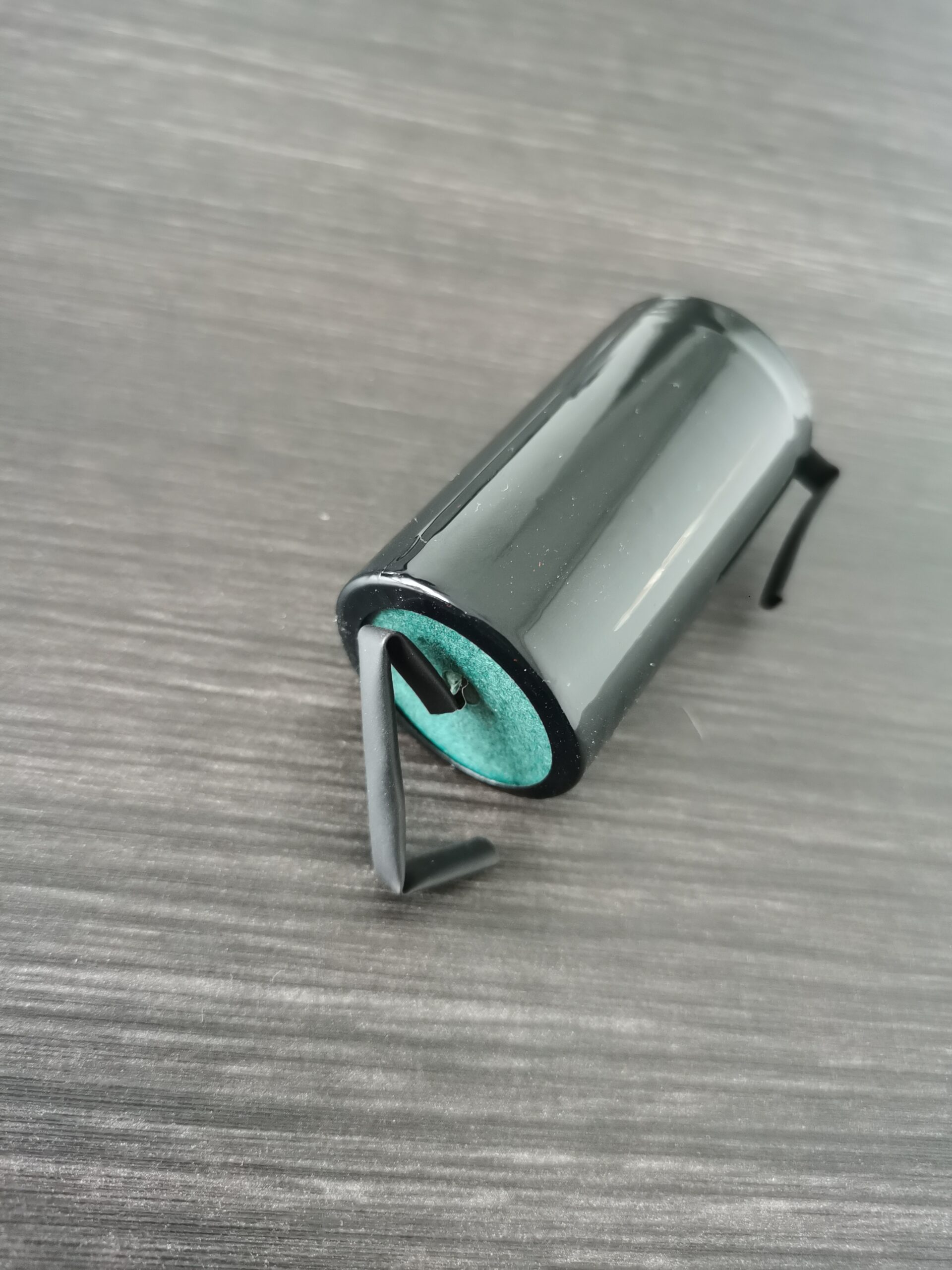
Factory Direct 18650 LFP Cells China Export: No UN38.3 UL CE Certified for E-bike Projects Fast Shipping Guaranteed
In the rapidly evolving landscape of electric mobility, sourcing 18650 LFP cells directly from China has become a priority for many e-bike manufacturers and system integrators. The promise of “Factory Direct” pricing and “Fast Shipping” is attractive. However, a critical phrase often appears in certain market listings: “No UN38.3 UL CE Certified.” As professional lithium battery practitioners, we must address this claim with technical rigor. While cost reduction is vital, bypassing international safety and transport certifications poses significant risks to project viability, legal compliance, and end-user safety.
The Technical Reality of Lithium Ion Export Compliance
When evaluating cylindrical battery cell suppliers for e-bike projects, understanding the regulatory framework is as important as assessing capacity and discharge rates. The claim of operating without certification is not merely a cost-saving measure; it is a fundamental deviation from global logistics and safety standards.
1. UN38.3: The Non-Negotiable Transport Standard
UN38.3 is not optional for international shipping. It is mandated by the United Nations Recommendations on the Transport of Dangerous Goods. For 18650 LFP cells, this certification involves eight rigorous tests, including altitude simulation, thermal cycling, vibration, shock, external short circuit, impact, overcharge, and forced discharge.
Without a valid UN38.3 test summary, freight forwarders cannot legally accept lithium batteries for air or sea freight. Shipments labeled as “uncertified” often face seizure at customs, resulting in project delays and financial loss. For engineers planning supply chains, verifying the UN38.3 report is the first step in vendor qualification. Reliable battery manufacturers in China will always provide this documentation upon request.
2. UL and CE: Safety and Market Access
While UN38.3 covers transport, UL (Underwriters Laboratories) and CE (Conformité Européenne) certifications address operational safety.
- UL Standards (e.g., UL 1642, UL 2054): These validate the cell’s internal safety mechanisms, ensuring protection against thermal runaway under abuse conditions.
- CE Marking: Essential for the European market, indicating compliance with EU safety, health, and environmental protection requirements.
For e-bike projects, lacking these certifications can void insurance policies and expose manufacturers to liability in the event of a battery failure. Professional technical purchasers should prioritize suppliers who integrate robust BMS (Battery Management System) compatibility and certified cell chemistry.
Risk Analysis: The Cost of “No Certification”
Choosing cells based solely on the promise of “Fast Shipping Guaranteed” without compliance documentation introduces hidden costs:
- Logistics Blockades: Carriers like IATA and IMDG require UN38.3 documentation. Uncertified goods are classified as undeclared dangerous goods, leading to heavy fines.
- Performance Inconsistency: Factories that bypass certification testing often lack rigorous QA/QC processes. This can result in capacity mismatch, higher internal resistance, and reduced cycle life in 18650 LFP packs.
- Safety Hazards: LFP chemistry is inherently safer than NCM, but without certified manufacturing controls, risks of micro-short circuits remain.
Identifying Legitimate Factory Direct Sources
The solution is not to avoid factory direct sourcing, but to identify compliant partners. Legitimate manufacturers understand that certification is an investment in product reliability. When sourcing from China, engineers should look for:
- Transparent Documentation: Immediate availability of UN38.3 test summaries and MSDS (Material Safety Data Sheets).
- Technical Support: Ability to discuss discharge curves, impedance, and thermal characteristics.
- Verified Production Capacity: Evidence of consistent quality control rather than just low pricing.
For projects requiring high reliability, partnering with established entities ensures that the “Fast Shipping” promise is backed by legal logistics channels. You can verify supplier credentials and explore compliant product lines through dedicated manufacturer portals. For instance, reviewing the catalog at https://cnsbattery.com/products-3/cylindrical-battery-cell/ provides insight into standardized cylindrical battery cell options that meet industry expectations.
Conclusion: Prioritizing Compliance for Sustainable Growth
The title claim of “No UN38.3 UL CE Certified” should be viewed as a warning sign rather than a benefit. In the professional e-bike sector, compliance is the foundation of scalability. Engineers and purchasers must demand certification to ensure smooth logistics and safe operation.
For those seeking reliable battery manufacturers in China who adhere to these standards, due diligence is key. Establishing a partnership with a compliant supplier protects your brand and ensures project success. To discuss technical specifications or request certification documents for your next e-bike project, please reach out via https://cnsbattery.com/contact-2/. For a broader overview of verified production partners, visit https://cnsbattery.com/battery-manufacturers-in-china/. Choose safety, choose compliance, and build your energy solutions on a solid foundation.