

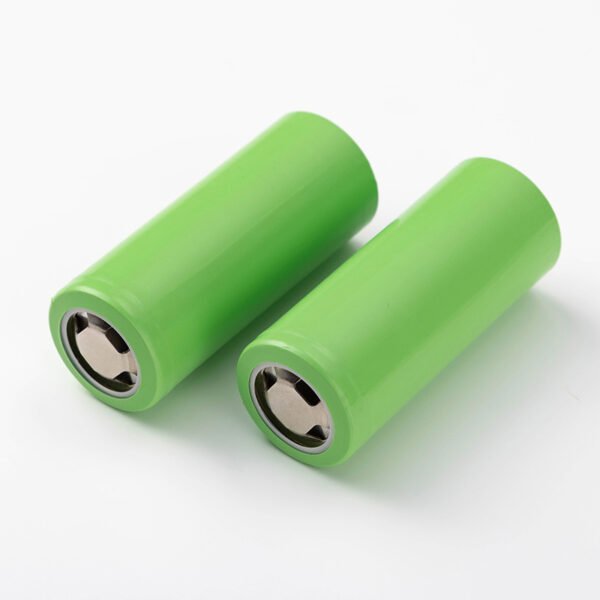
Ultimate Guide to 32135 NCM Cells for ESS 2026 – Complete Fast Charging Without Heat Focus
Introduction
As the energy storage system (ESS) market accelerates toward 2026, the 32135 cylindrical NCM (Nickel-Cobalt-Manganese) battery cell has emerged as a critical component for commercial and industrial applications. This comprehensive guide addresses the essential technical specifications, fast-charging capabilities, and thermal management strategies that B2B buyers need to evaluate when sourcing cells for ESS deployments.
Understanding 32135 NCM Cell Architecture
The 32135 designation refers to the cylindrical cell’s physical dimensions: 32mm diameter and 135mm height. This form factor offers superior energy density compared to traditional 18650 or 21700 cells, making it particularly suitable for large-scale ESS installations where space optimization matters.
Key Technical Specifications:
- Nominal Capacity: 10-15Ah per cell
- Voltage Range: 3.6V-3.7V nominal, 4.2V maximum
- Energy Density: 250-280 Wh/kg
- Cycle Life: 2,000-3,000 cycles at 80% DOD
- C-Rating: 1C-3C continuous discharge capability
NCM chemistry provides higher energy density than LFP alternatives, though thermal management becomes more critical. For ESS applications prioritizing power density and fast-charging capability, 32135 NCM cells deliver compelling performance metrics.
Fast-Charging Technology Without Thermal Compromise
Fast charging represents the primary challenge for NCM-based ESS deployments. The 2026 market demands charging rates of 2C-3C without compromising cell longevity or safety.
Critical Fast-Charging Considerations:
- Charging Protocol Optimization: Implement multi-stage CC-CV (Constant Current-Constant Voltage) charging with dynamic current adjustment based on cell temperature and state-of-charge (SOC).
- Thermal Runaway Prevention: NCM chemistry requires precise temperature monitoring. Maintain cell temperature between 15°C-45°C during charging operations.
- BMS Integration: Advanced Battery Management Systems must monitor individual cell voltage, temperature, and impedance to prevent overcharging and thermal escalation.
Case Study: A 5MWh commercial ESS installation in Germany achieved 90% charge in 45 minutes using 32135 NCM cells with liquid cooling systems maintaining temperature variance below 3°C across all cells.
Thermal Management Strategies
Heat generation during fast charging remains the primary concern for NCM cell deployments. Effective thermal management ensures safety and extends operational lifespan.
Recommended Approaches:
- Liquid Cooling Systems: Provide superior heat dissipation compared to air cooling, essential for high C-rate charging applications
- Phase Change Materials (PCM): Absorb heat during charging peaks, reducing thermal stress on cells
- Thermal Interface Materials: Ensure optimal heat transfer between cells and cooling plates
- Active Monitoring: Real-time temperature sensors at multiple points within battery packs
For detailed manufacturer capabilities and thermal management solutions, visit Battery Manufacturers in China to evaluate supplier qualifications.
Compliance and Certification Requirements (2026)
International ESS deployments must meet evolving regulatory standards:
- UL 9540A: Thermal runaway propagation testing
- IEC 62619: Safety requirements for secondary lithium cells
- UN 38.3: Transportation safety certification
- CE Marking: European market compliance
- Local Grid Codes: Region-specific interconnection requirements
Procurement teams should request complete certification documentation before finalizing supplier agreements. Non-compliant cells create significant liability exposure and installation delays.
Procurement Best Practices for B2B Buyers
Supplier Evaluation Checklist:
- Manufacturing Capacity: Verify production scalability for project timelines
- Quality Control: Request ISO 9001 certification and quality audit reports
- Warranty Terms: Standard warranties range 5-10 years with performance guarantees
- Technical Support: Ensure supplier provides integration support and troubleshooting
- Supply Chain Transparency: Trace raw material sourcing, especially cobalt and nickel
Pricing Considerations: 32135 NCM cells typically range $0.12-$0.18/Wh depending on volume, specifications, and market conditions. Long-term supply agreements often secure better pricing than spot purchases.
For product specifications and technical documentation, explore Cylindrical Battery Cell offerings to compare available options.
Integration and Compatibility
Successful ESS deployment requires careful system integration:
- Inverter Compatibility: Ensure PCS (Power Conversion System) supports NCM charging profiles
- Module Design: Standardize cell grouping for balanced performance
- Scalability: Design modular architectures allowing capacity expansion
- Monitoring Systems: Implement remote monitoring for predictive maintenance
2026 Market Outlook
The global ESS market is projected to exceed 500GWh annually by 2026, with cylindrical NCM cells capturing significant commercial and industrial segments. Key trends include:
- Increased adoption of 3C+ fast-charging capabilities
- Enhanced thermal management integration
- Growing demand for certified, traceable supply chains
- Price stabilization as manufacturing scales
Conclusion
32135 NCM cells offer compelling advantages for ESS applications requiring high energy density and fast-charging capability. Success depends on proper thermal management, compliance adherence, and supplier selection. B2B buyers should prioritize suppliers with proven track records, comprehensive certifications, and technical support capabilities.
For partnership inquiries and detailed technical consultations, contact our team at Contact Page to discuss your specific ESS requirements and procurement timelines.
This guide provides foundational information for ESS procurement decisions. Always conduct thorough due diligence and consult qualified engineers before finalizing system designs.


