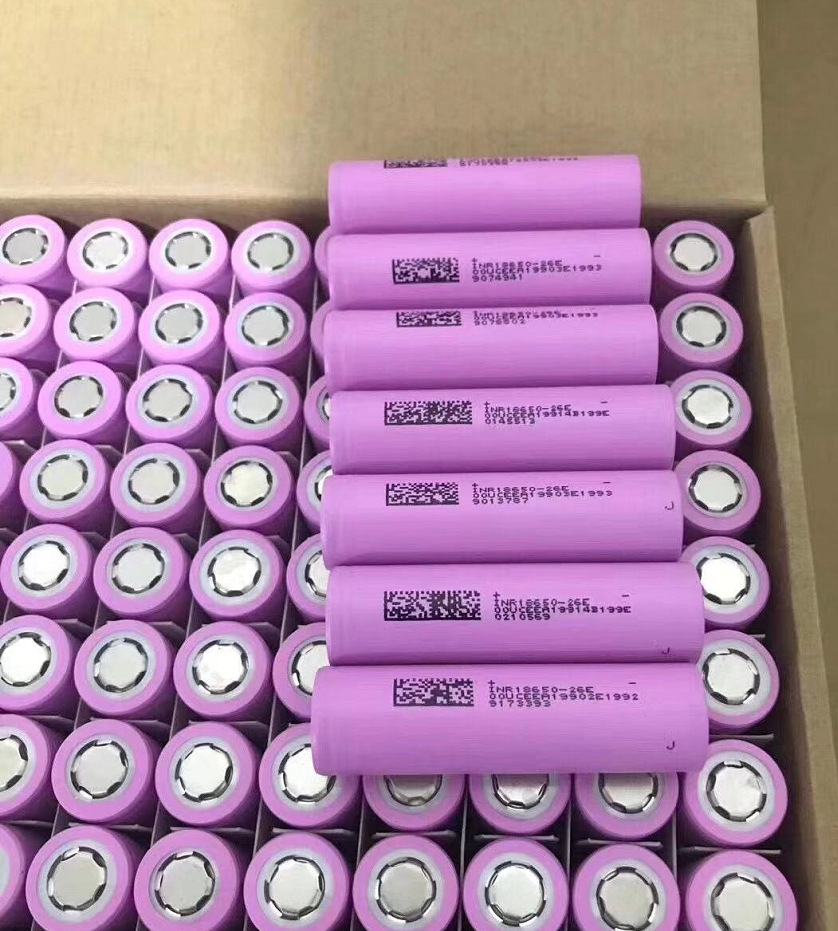
High Safety Battery For Mobility Scooter | CNS BATTERY
Introduction: Safety as the Foundation of Mobility Power Solutions
In the rapidly evolving landscape of personal mobility devices, battery safety has emerged as the paramount concern for engineers, technical purchasers, and regulatory compliance officers worldwide. Mobility scooters, serving elderly and disabled populations, demand battery systems that combine exceptional safety performance with reliable power delivery. At CNS BATTERY, we understand that high safety battery for mobility scooter applications requires comprehensive engineering approaches spanning cell chemistry selection, battery management systems (BMS), thermal protection mechanisms, and international certification compliance.
Core Safety Technologies in Mobility Scooter Battery Systems
1. Advanced Cell Chemistry Selection
2. Multi-Layer Battery Management System (BMS) Architecture
A sophisticated BMS serves as the intelligent control center for mobility scooter battery packs. Our safety-oriented BMS design implements multiple protection layers:
- Over-Charge/Over-Discharge Protection: Precise voltage monitoring at individual cell level prevents dangerous operating conditions
- Current Limiting: Real-time current monitoring prevents excessive discharge rates that could trigger thermal events
- Temperature Monitoring: Distributed thermal sensors enable early detection of abnormal heating patterns
- Cell Balancing: Active or passive balancing ensures uniform cell aging and prevents capacity mismatch-induced stress
The BMS communicates critical parameters to the mobility scooter controller, enabling predictive maintenance and preventing operation under unsafe conditions. For technical purchasers evaluating battery suppliers, BMS capability represents a key differentiator between commodity and premium safety-focused solutions.
3. Thermal Runaway Prevention Mechanisms
Thermal runaway remains the most significant safety concern in lithium battery applications. Our engineering approach incorporates multiple prevention strategies:
- PTC (Positive Temperature Coefficient) Devices: Self-resetting thermal fuses interrupt current flow when temperatures exceed safe thresholds
- CID (Current Interrupt Device): Mechanical pressure-activated disconnects provide fail-safe protection during cell venting scenarios
- Thermal Barrier Materials: Fire-retardant insulation between cells prevents propagation of thermal events across the battery pack
- Venting Design: Controlled pressure release mechanisms direct potentially hazardous emissions away from users and critical components
These protection layers work synergistically to ensure that even under extreme abuse conditions, the battery system maintains containment and prevents catastrophic failure.
4. International Certification and Compliance Framework
For global market access, mobility scooter batteries must satisfy rigorous certification requirements. Key standards include:
- UN 38.3: Mandatory transportation safety testing covering altitude simulation, thermal cycling, vibration, shock, external short circuit, impact, overcharge, and forced discharge
- IEC 62133: International safety standard for portable sealed secondary cells and batteries
- UL 2271: Specific standard for light electric vehicle applications, addressing fire and electrical shock hazards
- EU Battery Regulation 2026: Emerging requirements for battery passport, carbon footprint documentation, and lifecycle traceability
5. Manufacturing Quality Control and Traceability
Safety performance ultimately depends on manufacturing consistency. CNS BATTERY implements ISO 9001 and IATF 16949 quality management systems with the following controls:
- Incoming Material Inspection: All cell components undergo rigorous chemical and physical property verification
- In-Process Testing: Automated optical inspection, welding quality monitoring, and electrical parameter screening
- End-of-Line Validation: 100% capacity testing, insulation resistance verification, and BMS functional validation
- Traceability Systems: Unique serial numbers enable complete production history tracking for each battery pack
This systematic approach ensures that safety specifications translate consistently from design intent to manufactured product.
Technical Specifications for Mobility Scooter Applications
Typical mobility scooter battery requirements include:
| Parameter | Standard Range | Safety Consideration |
|---|---|---|
| Voltage | 24V / 36V / 48V | BMS voltage tolerance ±0.05V per cell |
| Capacity | 10Ah – 30Ah | Thermal management for continuous discharge |
| Cycle Life | 1000-2000 cycles | Capacity retention >80% at end of life |
| Operating Temperature | -20°C to 60°C | Low-temperature charging protection |
| IP Rating | IP54 – IP65 | Moisture and dust ingress protection |
Conclusion: Partnering for Safe Mobility Solutions
Selecting the right battery partner requires evaluation beyond price considerations. Technical purchasers should assess manufacturer capabilities in safety engineering, certification compliance, quality systems, and after-sales support. CNS BATTERY combines decades of lithium battery expertise with commitment to mobility sector safety standards.
For engineering teams developing next-generation mobility scooters, we offer customized battery pack solutions with integrated safety features tailored to specific application requirements. Our technical support team provides design consultation, safety analysis, and regulatory guidance throughout product development cycles.
Keywords: high safety battery for mobility scooter, lithium battery mobility scooter, BMS protection system, cylindrical battery cell, battery manufacturers China, mobility scooter battery safety, LiFePO4 battery, UL 2271 certification, UN 38.3 testing, thermal runaway prevention