
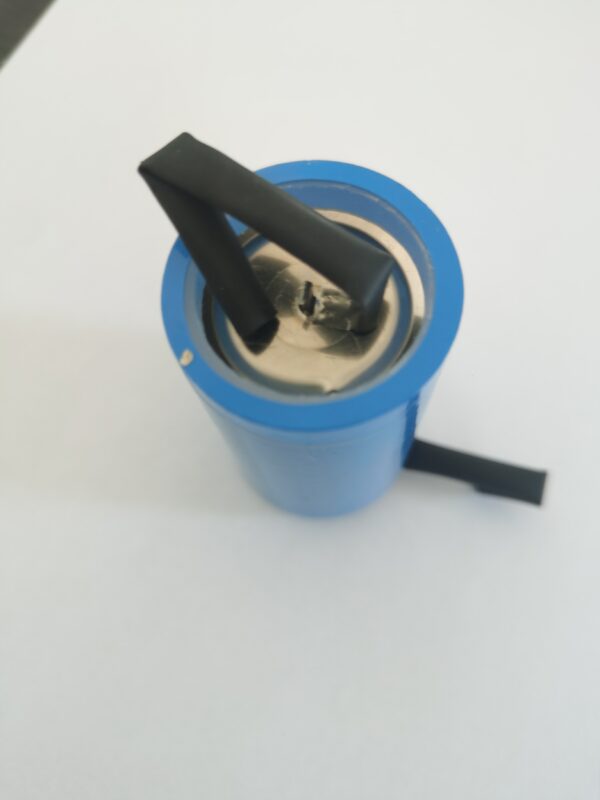
Saft LS34615 Li-SOCl₂ Battery Alternative for Mining Sensors
The mining industry demands reliable power solutions that can withstand extreme conditions while delivering consistent performance over extended periods. For engineers and procurement specialists seeking a Saft LS34615 Li-SOCl₂ battery alternative, understanding the technical specifications and application requirements is critical for selecting the right primary lithium battery for mining sensors and monitoring equipment.
Understanding Li-SOCl₂ Battery Technology
Lithium thionyl chloride (Li-SOCl₂) batteries represent the gold standard for long-life, low-drain industrial applications. These primary lithium cells operate at a nominal voltage of 3.6V, with an open-circuit voltage of approximately 3.66V and a cut-off voltage of 2.0V. The ER34615 form factor (D-size, 34mm diameter × 61.5mm height) delivers capacities around 19,000mAh, making it ideal for remote mining sensors that require years of maintenance-free operation.
The electrochemical reaction involves lithium as the anode and thionyl chloride as both cathode and electrolyte. This unique chemistry provides exceptional energy density, wide temperature tolerance (-55°C to +85°C), and minimal self-discharge (less than 1% per year). For mining applications in harsh environments—from underground tunnels to open-pit operations—these characteristics are non-negotiable.
Key Considerations for Mining Sensor Applications
1. Pulse Current Capability
Mining sensors often require periodic high-current pulses for data transmission via LoRa, NB-IoT, or satellite communication. While standard ER34615 cells support continuous discharge up to 200mA, pulse-type variants (ER34615M) can handle bursts up to 400mA. When evaluating alternatives to Saft LS34615, verify the hybrid layer capacitor (HLC) or bobbin-type construction matches your pulse profile requirements.
2. Temperature Performance
Underground mining operations experience significant temperature variations. Quality Li-SOCl₂ batteries maintain stable voltage output across -40°C to +85°C ranges. However, voltage delay—a temporary voltage drop after long storage—should be considered for sensors with intermittent activation cycles.
3. Safety Certifications
For global mining projects, ensure batteries carry UN38.3, CE, RoHS, and UL certifications. These validate safe transportation and compliance with international regulations, particularly important for equipment deployed across multiple jurisdictions.
Evaluating Alternative Suppliers
When sourcing Saft LS34615 equivalents, focus on manufacturers with proven track records in industrial primary battery production. Key evaluation criteria include:
- Capacity consistency at specified discharge rates (0.3mA to 200mA)
- Quality control systems (ISO 9001 certified facilities)
- Technical support for custom configurations and integration
- Supply chain reliability for long-term project continuity
Reputable suppliers offer comprehensive product portfolios covering various Li-SOCl₂ form factors, from ER14250 to ER34615, enabling standardized power solutions across different sensor types within your mining operation.
Technical Integration Best Practices
For optimal performance in mining sensor deployments:
- Parallel Configuration: For higher capacity requirements, two ER34615 cells can be connected in parallel while maintaining 3.6V output
- Voltage Monitoring: Implement battery management ICs (such as TI BQ35100) to track end-of-service indicators
- Storage Conditions: Maintain batteries below 30°C before deployment to minimize capacity loss
- Connector Compatibility: Ensure terminal configurations match existing sensor housings to avoid redesign costs
Geographic Supply Chain Considerations
Mining operations span diverse regions—from Australia’s Pilbara to Chile’s Atacama, from Nevada to Western Africa. Working with suppliers who maintain global distribution networks ensures timely delivery and local technical support. Manufacturers with production facilities in Asia, combined with warehousing in North America and Europe, offer balanced lead times and reduced logistics costs for multinational mining companies.
For procurement teams evaluating long-term power solutions, requesting sample testing under actual operating conditions is recommended. This validates performance claims before committing to large-scale deployments across mining sites.
Conclusion
Selecting the right Saft LS34615 Li-SOCl₂ battery alternative requires careful analysis of technical specifications, certification requirements, and supplier capabilities. With the mining industry’s increasing reliance on IoT-enabled sensors for safety monitoring, equipment tracking, and environmental compliance, power reliability directly impacts operational efficiency and worker safety.
Partner with established primary battery manufacturers who understand the unique demands of mining applications. For detailed product specifications and technical consultation, visit our primary battery product page or contact our engineering team at https://cnsbattery.com/primary-battery-contact-us/ for customized solutions tailored to your mining sensor requirements.
This technical guide serves procurement managers, electrical engineers, and operations specialists in the global mining sector seeking reliable Li-SOCl₂ power solutions for remote monitoring applications.
