

Factory Direct 18650 LFP Cells China Export: No Sample Test Report for Electric Motorcycle Projects vs Competitors
In the rapidly evolving electric mobility sector, sourcing reliable 18650 LFP (Lithium Iron Phosphate) cells directly from China has become a strategic priority for electric motorcycle manufacturers worldwide. However, a critical differentiator often overlooked is the availability of comprehensive sample test reports. While some competitors delay or omit these essential documents, professional battery suppliers understand that certified test documentation is non-negotiable for project validation and regulatory compliance.
Understanding 18650 LFP Cell Technology for Electric Motorcycles
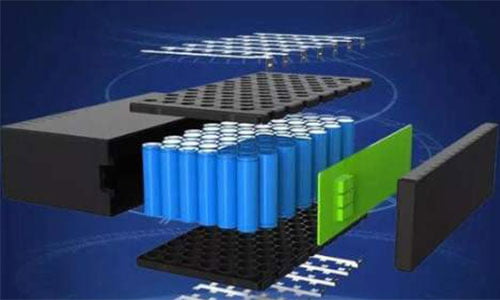
The 18650 cylindrical cell format, measuring 18mm in diameter and 65mm in length, remains a cornerstone in electric two-wheeler applications due to its proven reliability and cost-effectiveness. LFP chemistry offers distinct advantages over NMC alternatives, including superior thermal stability, extended cycle life exceeding 3,000 charges, and enhanced safety profiles critical for motorcycle applications where vibration and temperature fluctuations are common.
For electric motorcycle projects, the nominal voltage of 3.2V per cell and typical capacity range of 2,500-3,500 mAh enable flexible pack configurations. When evaluating factory-direct suppliers from China’s manufacturing hubs in Shenzhen and Guangdong, technical specifications must align with international standards to ensure seamless integration and long-term performance.
The Critical Role of Sample Test Reports in Project Validation
A comprehensive sample test report serves as the foundation for project feasibility assessment. Key certifications include:
UN38.3 Transportation Safety: This United Nations standard mandates eight rigorous tests including altitude simulation, thermal cycling, vibration, shock, external short circuit, impact, overcharge, and forced discharge. Without UN38.3 certification, battery shipments face customs rejection and transportation bans across air, sea, and land routes.
IEC62133 Safety Standard: Covering electrical and mechanical safety requirements for portable sealed secondary cells, this certification validates cell performance under normal and reasonably foreseeable misuse conditions. European and North American markets increasingly require IEC62133 compliance for market entry.
Performance Validation Reports: Professional suppliers provide detailed documentation on capacity verification, internal resistance measurements, cycle life testing, and thermal performance characteristics. These reports enable engineering teams to accurately model battery pack behavior and predict real-world performance.
Competitors who cannot provide sample test reports often lack proper quality management systems or operate without accredited laboratory partnerships. This creates significant project risks including delayed timelines, compliance failures, and potential safety liabilities.
China Manufacturing Landscape: Quality Differentiators
China controls approximately 70% of global lithium battery production capacity, with specialized manufacturers concentrating in Guangdong, Jiangsu, and Zhejiang provinces. However, significant quality variations exist between factory-direct suppliers and trading intermediaries.
Established manufacturers maintain ISO9001 quality management systems, operate ISO17025 accredited testing laboratories, and maintain traceability throughout the production process. When evaluating potential partners, verify their capability to provide cylindrical battery cell specifications matching your project requirements with full certification documentation.
Key evaluation criteria include:
- Manufacturing capacity and lead time reliability
- In-house testing capabilities versus third-party dependencies
- Export compliance experience with target markets
- Technical support availability for pack integration
Competitive Analysis: Test Report Availability as Market Differentiator
Market analysis reveals three supplier categories regarding test report provision:
Tier 1 Professional Manufacturers: Provide complete test documentation within 5-10 business days for sample requests, maintain pre-certified cell models, and offer technical consultation for project optimization. These suppliers typically serve OEM partnerships with established electric vehicle brands.
Tier 2 Intermediate Suppliers: May require additional lead time for test report generation, often relying on third-party laboratories. Documentation quality varies, and technical support capabilities remain limited.
Tier 3 Trading Companies: Frequently cannot provide authentic test reports, instead offering generic certificates that may not match specific cell batches. This creates compliance risks and project delays.
For electric motorcycle projects targeting North American, European, or Southeast Asian markets, partnering with Tier 1 manufacturers proves essential for regulatory compliance and brand reputation protection.
Strategic Sourcing Recommendations for 2026
As global battery regulations intensify, particularly with the EU Battery Regulation requiring battery passports by 2027, documentation completeness becomes increasingly critical. Buyers should:
- Request sample test reports before finalizing supplier agreements
- Verify certification authenticity through issuing laboratory contacts
- Confirm cell batch traceability matches provided documentation
- Evaluate supplier’s battery manufacturers in China credentials and export history
- Establish clear communication channels for ongoing technical support
Professional suppliers understand that test reports represent more than compliance checkboxes—they demonstrate manufacturing consistency, quality commitment, and partnership reliability throughout the product lifecycle.
Conclusion
The absence of sample test reports from competitors signals fundamental quality and compliance gaps that electric motorcycle manufacturers cannot afford. When sourcing 18650 LFP cells from China, prioritize suppliers who provide comprehensive documentation as standard practice rather than exceptional service. This approach minimizes project risks, accelerates time-to-market, and ensures long-term product reliability in demanding two-wheeler applications.
For detailed technical specifications and certification documentation regarding 18650 LFP cells suitable for electric motorcycle projects, professional consultation is available through established manufacturing partners. Contact qualified suppliers directly to request sample test reports and begin your project validation process with confidence. Reach out through the official contact channel for comprehensive technical support and documentation packages tailored to your specific application requirements.


