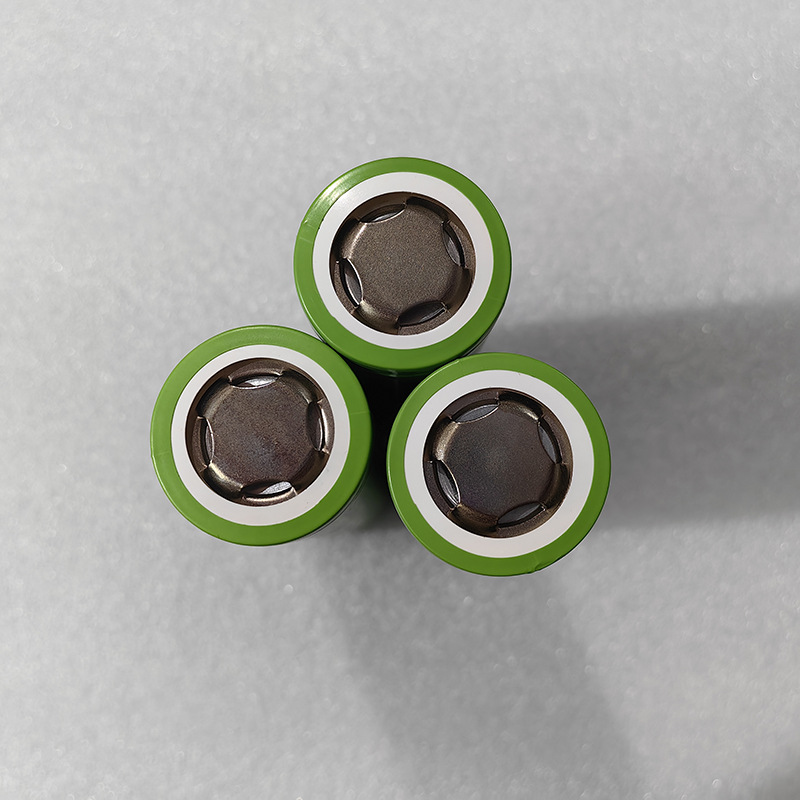
High Energy Density 40150 Lithium Ion Cells Wholesale for E-bike: UL Safety Guaranteed Performance
Introduction
The global e-bike market continues its rapid expansion, with manufacturers and distributors seeking reliable battery solutions that balance performance, safety, and compliance. Among cylindrical lithium-ion cell options, the 40150 format has emerged as a compelling choice for e-bike applications, offering superior energy density and thermal management capabilities. This article provides B2B buyers with essential technical insights, compliance requirements, and procurement considerations for wholesale 40150 lithium-ion cells with UL safety certification.
Understanding 40150 Cell Specifications
The 40150 cylindrical cell designation indicates dimensions of 40mm diameter and 150mm length. This larger form factor compared to standard 18650 or 21700 cells delivers several advantages for e-bike battery packs:
- Higher Capacity: Typical capacity ranges from 12,000mAh to 16,000mAh per cell at 3.6V-3.7V nominal voltage
- Improved Energy Density: Approximately 250-280 Wh/kg, enabling longer range per charge
- Better Thermal Performance: Larger surface area facilitates heat dissipation during high-current discharge
- Reduced Cell Count: Fewer cells needed per pack simplifies BMS design and reduces connection points
For e-bike manufacturers, these specifications translate to extended range (60-100km per charge), reduced pack weight, and simplified assembly processes.
UL Safety Certification: Non-Negotiable Requirements
Safety certification represents the most critical consideration for e-bike battery procurement, particularly for North American and European markets. Key UL standards applicable to 40150 cells include:
UL 1642 – Lithium battery cell safety standard covering construction, electrical, and environmental testing requirements. This serves as the foundational certification for individual cells.
UL 2271 – Battery systems for light electric vehicle (LEV) applications, addressing pack-level safety including overcharge, short circuit, and thermal runaway protection.
UL 2849 – Complete e-bike electrical system certification, increasingly required by major retailers and insurance providers in the US market.
Recent regulatory developments have intensified compliance requirements. Australia’s New South Wales implemented mandatory certification for e-bike batteries as of February 2025, requiring compliance with AS 15194, EN 15194, or UL 2849 standards. Similar trends are emerging across EU markets with EN 50604-1 and IEC 62133-2 requirements.
B2B buyers should verify that suppliers provide current UL certification documentation, not merely claims of compliance. Request test reports from recognized laboratories and confirm certification validity through UL’s online database.
Procurement Considerations for Wholesale Buyers
Quality Verification
When sourcing 40150 cells wholesale, implement comprehensive quality verification protocols:
- Request Sample Testing: Conduct independent capacity, internal resistance, and cycle life testing before bulk orders
- Verify Manufacturing Date: Lithium-ion cells degrade over time; ensure cells are manufactured within 6 months of purchase
- Check Batch Consistency: Request documentation showing capacity and impedance matching within ±2% tolerance
Supply Chain Transparency
Partner with manufacturers who provide complete supply chain documentation. Reputable battery manufacturers in China maintain traceability from raw materials through final assembly, enabling quick response to quality issues or recall situations.
Pricing Structure
Wholesale pricing for 40150 cells typically follows volume tiers. Expect price reductions of 5-8% when ordering quantities exceeding 10,000 units. However, prioritize certified quality over marginal cost savings—non-compliant cells create significant liability exposure.
Technical Integration Guidelines
Successful 40150 cell integration requires attention to several technical factors:
BMS Compatibility: Ensure battery management systems support the specific chemistry and capacity of your 40150 cells. NCM (Nickel-Cobalt-Manganese) and LFP (Lithium Iron Phosphate) variants require different charging profiles.
Thermal Management: While 40150 cells offer improved heat dissipation, pack design must still incorporate adequate ventilation or active cooling for high-performance e-bike applications.
Mechanical Protection: Design battery enclosures to protect cells from vibration, impact, and water ingress (minimum IP65 rating recommended for e-bike applications).
Case Study: European E-bike Manufacturer Implementation
A mid-size European e-bike manufacturer recently transitioned from 18650 to 40150 cells for their commuter line. Results included:
- 35% reduction in pack assembly time
- 22% increase in range per charge
- Zero safety incidents over 18 months of field operation
- Successful UL 2849 certification for complete e-bike system
The key success factor was partnering with a certified supplier who provided complete technical documentation and ongoing support throughout the certification process.
Risk Mitigation Strategies
B2B buyers should implement these risk mitigation measures:
- Diversify Supply: Maintain relationships with multiple certified suppliers to prevent production disruptions
- Insurance Coverage: Verify product liability insurance covers battery-related incidents
- Contract Terms: Include warranty provisions covering capacity retention (typically 80% after 500-1000 cycles) and safety certification validity
Conclusion
The 40150 lithium-ion cell format offers compelling advantages for e-bike manufacturers seeking to optimize performance while maintaining rigorous safety standards. However, successful implementation requires careful attention to UL certification requirements, supplier verification, and technical integration considerations.
For businesses evaluating 40150 cell options, prioritize suppliers who provide complete cylindrical battery cell portfolios with current UL documentation and transparent manufacturing processes. The initial investment in certified, quality cells pays dividends through reduced liability exposure, smoother market access, and enhanced brand reputation.
Ready to discuss your 40150 cell requirements? Contact our team for technical consultation and wholesale pricing information. Our specialists can provide detailed specifications, certification documentation, and sample testing support to ensure your e-bike battery projects meet all performance and compliance objectives.
This article provides general guidance for B2B battery procurement. Specific requirements may vary by market and application. Always consult with qualified technical and legal advisors for your particular situation.