B2B 18650 LFP Cylindrical Battery Supplier China: Solve Thermal Runaway Prevention Today – Ultimate Guide
Introduction
Thermal runaway remains the most critical safety challenge in lithium-ion battery deployment across energy storage systems, electric vehicles, and industrial applications. For B2B buyers sourcing 18650 LFP cylindrical batteries from China, understanding thermal runaway prevention mechanisms is not optional—it’s essential for risk mitigation, compliance, and long-term operational reliability. This guide provides technical procurement professionals and engineers with actionable insights into selecting reliable LFP battery suppliers while prioritizing safety architecture.
Understanding Thermal Runaway in Lithium-Ion Cells
Thermal runaway occurs when internal heat generation exceeds dissipation capacity, triggering exothermic reactions that escalate uncontrollably. In conventional NMC or NCA chemistries, oxygen release from cathode decomposition at temperatures above 150°C accelerates this cascade. LFP (Lithium Iron Phosphate) chemistry inherently offers superior thermal stability due to stronger P-O bonds in its crystal structure, raising the onset temperature to approximately 270°C.
However, LFP cells are not immune. Mechanical damage, overcharging, external short circuits, or manufacturing defects can still initiate thermal events. For B2B purchasers, this means supplier qualification must extend beyond price comparisons to include rigorous safety validation protocols.
Key Prevention Strategies for 18650 LFP Cylindrical Batteries
1. Cell-Level Safety Design
Premium 18650 LFP cells incorporate multiple intrinsic safety features:
- CID (Current Interrupt Device): Mechanically disconnects current flow when internal pressure exceeds thresholds
- PTC (Positive Temperature Coefficient) Layer: Increases resistance during temperature spikes, limiting current
- Vent Mechanisms: Controlled pressure release prevents catastrophic casing rupture
- Separator Coatings: Ceramic-coated separators maintain integrity at elevated temperatures
When evaluating suppliers, request detailed specification sheets confirming these integrated protections. Reputable battery manufacturers in China provide comprehensive test documentation including nail penetration, crush, and overcharge trials.
2. Battery Management System (BMS) Integration
No cell operates safely in isolation. A robust BMS monitors individual cell voltage, temperature, and current in real-time. Critical BMS functions include:
- Cell Balancing: Prevents voltage divergence that stresses weaker cells
- Temperature Monitoring: Multiple thermocouples detect hotspots before escalation
- SOC/SOH Estimation: Accurate state calculations prevent overcharge/over-discharge
- Fault Isolation: Automatic disconnection upon anomaly detection
For stationary energy storage or EV applications, ensure your supplier supports BMS compatibility or offers integrated solutions.
3. Thermal Management Architecture
Effective heat dissipation design is non-negotiable. Consider:
- Air Cooling: Cost-effective for low-power applications
- Liquid Cooling: Superior for high-density packs requiring uniform temperature distribution
- Phase Change Materials (PCM): Passive absorption during transient thermal events
- Thermal Barriers: Insulation between cells prevents propagation
Pack designers must calculate worst-case heat generation scenarios and validate cooling capacity accordingly.
4. Supplier Qualification Criteria
Not all Chinese battery manufacturers maintain equal quality standards. Essential verification steps include:
- Certification Audit: UN38.3, IEC62133, UL1642, CE, RoHS compliance
- Production Traceability: Batch-level quality records and material sourcing transparency
- Testing Infrastructure: In-house labs capable of abuse testing and cycle life validation
- Warranty Terms: Clear liability coverage for safety-related failures
Established suppliers maintain ISO9001 and IATF16949 certifications as baseline requirements.
Why Choose LFP Over Alternative Chemistries?
| Parameter | LFP | NMC | NCA |
|---|---|---|---|
| Thermal Onset | ~270°C | ~150°C | ~150°C |
| Cycle Life | 2000-5000 | 1000-2000 | 800-1500 |
| Cost | Lower | Higher | Highest |
| Safety Rating | Excellent | Good | Moderate |
For applications prioritizing safety and longevity over energy density, LFP represents the optimal choice—particularly in stationary storage where weight constraints are less critical.
Sourcing from Reliable China-Based Suppliers
China dominates global lithium battery manufacturing, but supplier differentiation matters. Professional procurement teams should:
- Request Sample Testing: Independent lab validation before volume commitment
- Audit Manufacturing Facilities: Verify production cleanliness, automation levels, and QC processes
- Review Customer References: Existing deployments in similar applications provide credibility
- Assess After-Sales Support: Technical assistance availability for integration challenges
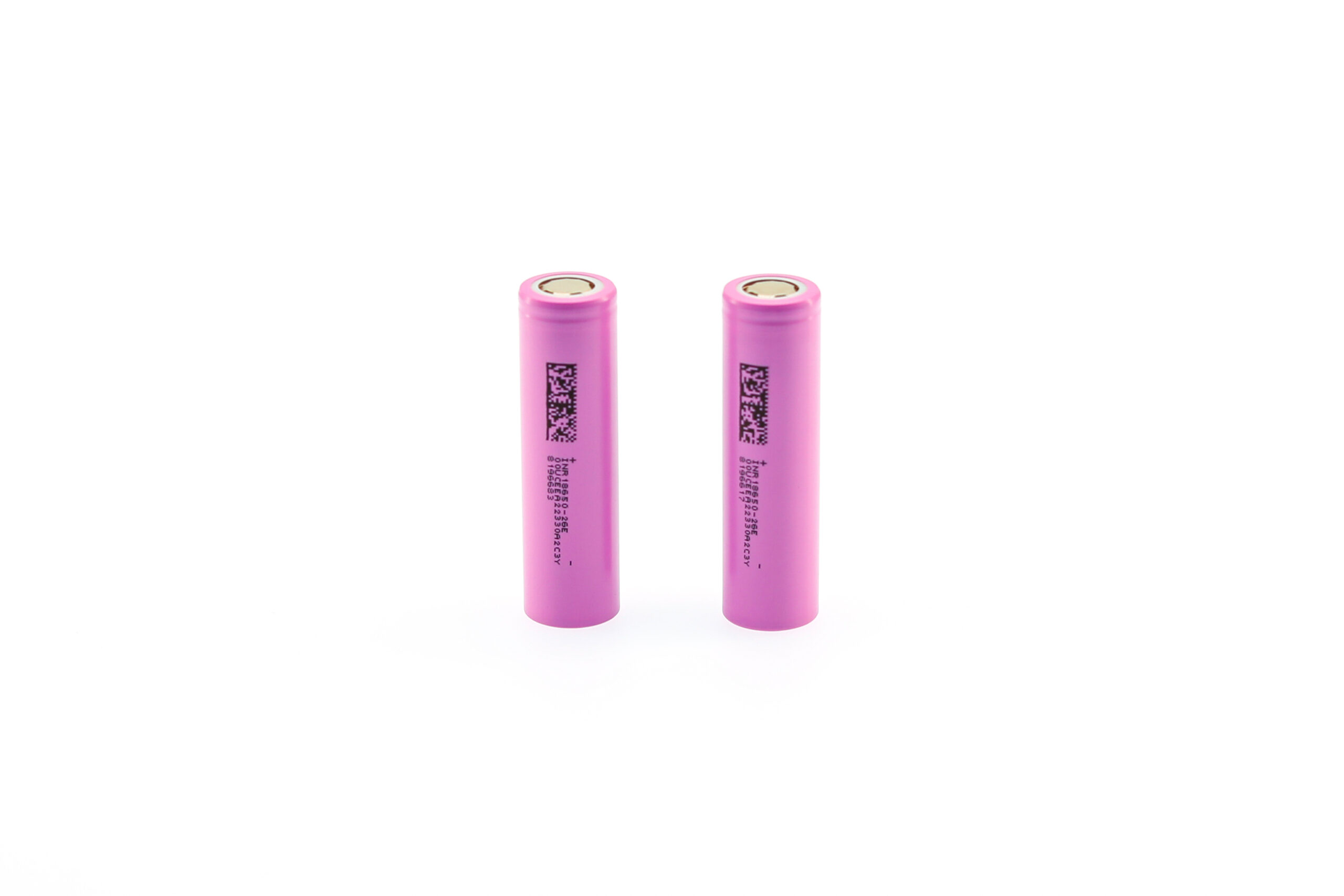
Trusted partners offer transparent communication channels and responsive engineering support. For detailed product specifications on cylindrical battery cells, explore 18650 LFP cylindrical battery offerings.
Conclusion: Prioritize Safety in Your Procurement Strategy
Thermal runaway prevention begins at the supplier selection stage. By understanding LFP chemistry advantages, demanding comprehensive safety features, and validating manufacturer credentials, B2B buyers significantly reduce deployment risks. The marginal cost premium for quality-certified cells pales against potential liability from safety incidents.
For technical consultations or custom battery solutions, reach out through our contact page to connect with engineering specialists who understand your application requirements.
Invest in prevention today—your operational continuity depends on it.