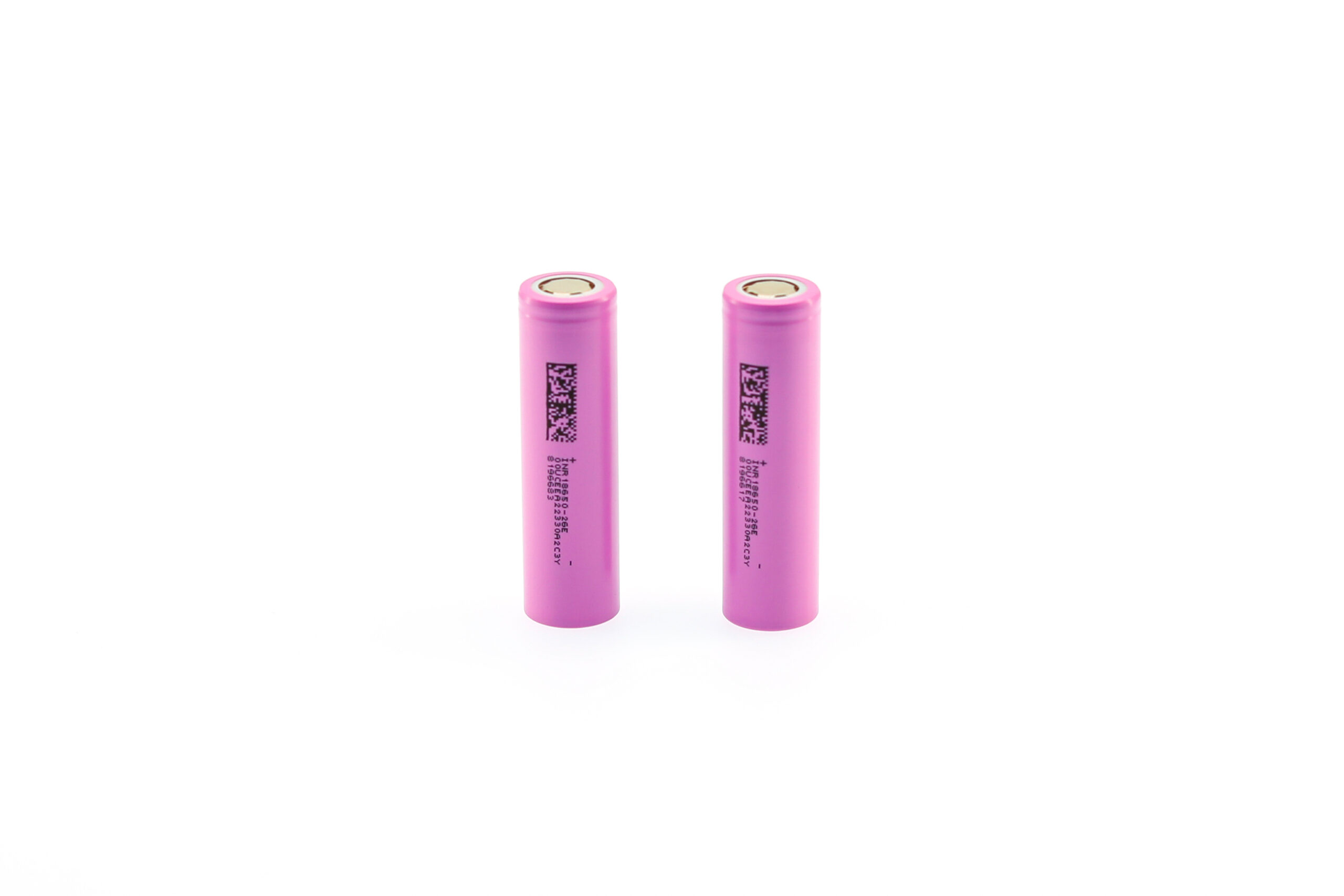
2026 LFP Cylindrical Battery Supplier: Fix UN38.3 UL CE Certified in ESS Using 18650 Cells Low Price High Quality
As we navigate through 2026, the Energy Storage System (ESS) market continues to mature, driven by the global transition toward renewable energy and grid stabilization. For procurement managers, system integrators, and engineering teams, selecting the right battery chemistry and form factor is critical. Among the various options, Lithium Iron Phosphate (LFP) cylindrical cells, specifically the 18650 format, have emerged as a cornerstone for reliable, cost-effective, and safe storage solutions. However, sourcing these components requires a rigorous focus on compliance, specifically UN38.3, UL, and CE certifications, to ensure both safety and market access.
The Strategic Value of LFP 18650 Cells in ESS
In 2026, the dominance of LFP chemistry over Nickel Manganese Cobalt (NMC) in stationary storage is undeniable. LFP offers superior thermal stability, a longer cycle life (often exceeding 6,000 cycles), and a lower total cost of ownership. When packaged in the cylindrical 18650 form factor, these cells provide mechanical robustness and efficient thermal management capabilities due to the air gaps inherent in cylindrical packing.
For ESS applications, the 18650 LFP cell strikes a balance between energy density and safety. Unlike larger prismatic cells, cylindrical cells minimize the risk of thermal propagation. If one cell fails, the steel casing helps contain the event, protecting the broader battery pack. This makes them ideal for residential and commercial storage units where safety is paramount. Sourcing high-quality cells is the first step; verifying their compliance is the second. You can explore a wide range of verified cylindrical battery cell options to match your specific voltage and capacity requirements.
Navigating the Compliance Landscape: UN38.3, UL, and CE
The title of “Low Price High Quality” is meaningless without regulatory compliance. In the international trade landscape of 2026, certifications are not just badges; they are legal necessities.
1. UN38.3: The Passport for Logistics
UN38.3 is the non-negotiable standard for transporting lithium batteries. Derived from the UN Manual of Tests and Criteria, it ensures cells can withstand the rigors of air, sea, and land transport without leaking, venting, or exploding. The test suite includes eight rigorous assessments: altitude simulation, thermal testing, vibration, shock, external short circuit, impact, overcharge, and forced discharge.
For B2B buyers, a valid UN38.3 test report is essential for customs clearance. Without it, shipments face detention or rejection at ports. In 2026, regulations have tightened, requiring test reports to be specific to the exact cell model and production batch. Ensure your supplier provides the full suite of documents, including the MSDS and transportation identification report.
2. UL Certification: Safety Assurance
UL (Underwriters Laboratories) certification, particularly UL 1973 for stationary storage or UL 1642 for cells, validates safety performance under electrical and mechanical stress. For North American markets, UL marks are often mandatory for insurance and installation approval. A UL-certified 18650 LFP cell assures integrators that the battery has passed abuse tests like crush, nail penetration, and overcharge without catching fire.
3. CE Marking: Access to Europe
The CE mark indicates conformity with health, safety, and environmental protection standards for products sold within the European Economic Area. For batteries, this involves compliance with the EU Battery Regulation, which in 2026 places heavy emphasis on carbon footprint disclosure and recycling readiness. CE certification ensures your ESS project meets European grid codes and safety directives.
Balancing Cost and Quality: Procurement Best Practices
Finding a supplier that offers “Low Price High Quality” while maintaining full certification is the core challenge. In 2026, the market is flooded with tier-2 and tier-3 manufacturers. Here is how to filter effectively:
- Verify Certification Authenticity: Do not accept scanned copies without verification numbers. Cross-check UL and CE certificates with the issuing body’s database.
- Audit the Supply Chain: Quality consistency depends on the manufacturing environment. Reputable battery manufacturers in China often operate automated production lines with strict quality control (QC) protocols to minimize variance between cells.
- Request Samples for Testing: Before bulk procurement, request samples for independent cycle life and capacity testing. High-quality 18650 LFP cells should show minimal capacity degradation after 500 cycles.
- Evaluate After-Sales Support: A reliable supplier offers technical support for pack assembly and BMS (Battery Management System) integration.
Case Insight: Integration in Commercial ESS
Consider a recent commercial ESS deployment in Southeast Asia utilizing 18650 LFP packs. The integrator selected a supplier with full UN38.3 and CE documentation. This streamlined the import process, avoiding a three-week customs delay experienced by competitors using non-certified cells. Furthermore, the thermal stability of the LFP chemistry reduced the cooling system requirements, lowering the overall system cost by 15%. This case underscores that “low price” should not come from cutting corners on safety, but from efficient manufacturing and supply chain optimization.
Conclusion
As the ESS sector evolves in 2026, the demand for certified, reliable, and cost-effective LFP 18650 cells will only grow. Procurement decisions must prioritize compliance (UN38.3, UL, CE) to mitigate logistical and legal risks. By partnering with verified suppliers who balance competitive pricing with rigorous quality standards, businesses can secure a sustainable advantage in the energy market.
For detailed specifications, certification documents, or to discuss your specific project needs, please reach out through our contact page. Ensuring your supply chain is built on certified, high-quality foundations is the key to long-term success in the global energy storage industry.