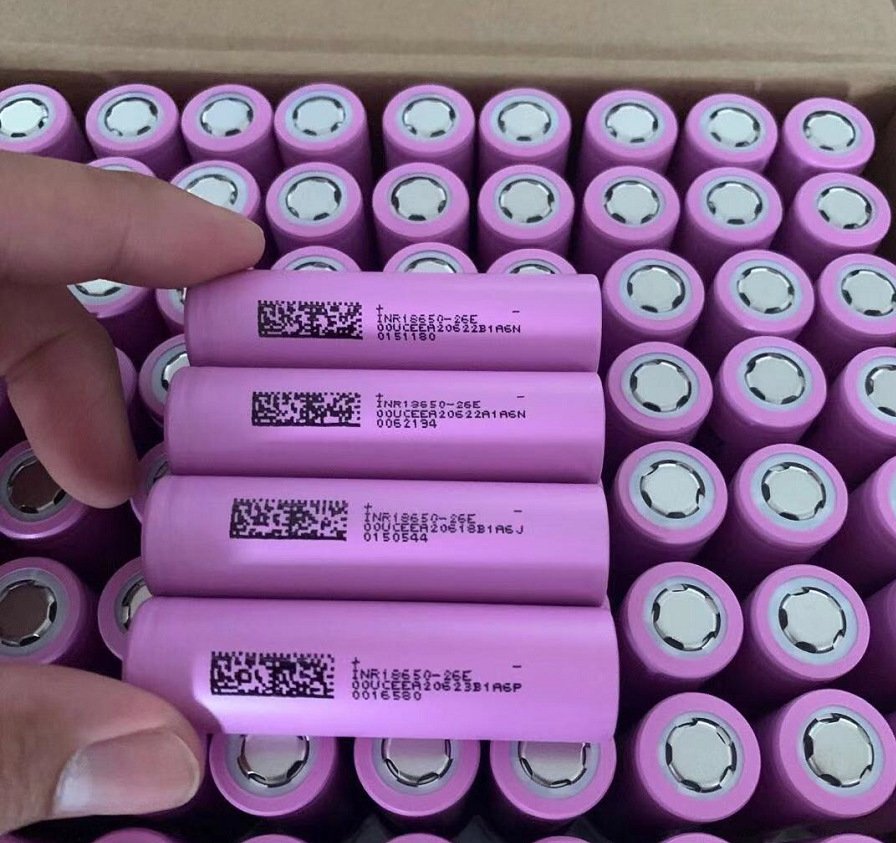
18650 Li-ion Battery Cells for Battery Pack OEM: High Discharge Rate & Low Self Discharge Guaranteed Performance
For battery pack OEMs and manufacturers, selecting the right 18650 Li-ion battery cells is critical to delivering reliable, high-performance energy solutions. In today’s competitive market, OEMs demand cells that combine high discharge rates, low self-discharge, and guaranteed performance across diverse applications—from power tools and e-mobility to energy storage systems. This article outlines the core technical considerations and performance benchmarks that define premium 18650 cells for OEM battery pack integration.
Understanding High Discharge Rate Requirements
The discharge rate, measured in C-rate, determines how quickly a battery cell can deliver energy. For OEM applications requiring high power output, 18650 cells must support continuous discharge rates of 10A to 30A or higher, depending on the specific use case. Power tools, electric vehicles, and high-drain consumer electronics demand cells with low internal resistance (typically below 50mΩ) to minimize voltage sag and heat generation during operation.
Advanced cathode materials such as NMC (Nickel Manganese Cobalt) and INR (Lithium Nickel Manganese) chemistries enable superior power density while maintaining thermal stability. OEMs should verify discharge performance through standardized testing protocols, ensuring cells meet application-specific current profiles without compromising cycle life or safety.
Low Self-Discharge: Ensuring Long-Term Reliability
Self-discharge rate is a critical metric for battery shelf life and long-term performance. Premium 18650 Li-ion cells exhibit self-discharge rates of less than 3% per month under standard storage conditions (25°C, 50% SOC). This characteristic is essential for OEMs producing battery packs that may remain in inventory or idle for extended periods before deployment.
Low self-discharge is achieved through:
- High-purity electrolyte formulations that minimize parasitic reactions
- Advanced separator coatings that reduce internal leakage currents
- Strict quality control during cell manufacturing to eliminate micro-defects
OEMs should request self-discharge test data from suppliers, verifying performance across temperature ranges from -20°C to 60°C to ensure consistent behavior in real-world conditions.
Guaranteed Performance Through Rigorous Quality Standards
Performance guarantees are only meaningful when backed by comprehensive quality assurance. Reputable battery manufacturers implement ISO 9001, IATF 16949, and UN 38.3 certifications to validate cell consistency, safety, and reliability. Key performance parameters include:
| Parameter | Standard Specification |
|---|---|
| Nominal Capacity | 2000mAh – 3500mAh |
| Cycle Life | 500 – 1000+ cycles @ 80% DOD |
| Operating Temperature | -20°C to 60°C |
| Internal Resistance | ≤ 50mΩ |
| Self-Discharge Rate | ≤ 3%/month |
OEMs must establish clear performance specifications in supply agreements, including acceptance criteria for capacity tolerance (±3%), impedance matching, and batch-to-batch consistency.
Technical Integration Considerations for OEM Battery Packs
Successful battery pack design requires more than selecting high-quality cells. OEMs must consider:
- Cell Matching: Ensure capacity and impedance matching within ±2% for parallel configurations to prevent current imbalance
- Thermal Management: Design adequate cooling systems for high-discharge applications to maintain cell temperature below 45°C
- BMS Compatibility: Integrate battery management systems that monitor individual cell voltage, temperature, and state of charge
- Mechanical Design: Account for cell expansion during cycling and ensure proper compression in pack assembly
For comprehensive cylindrical battery cell options suitable for OEM integration, explore our cylindrical battery cell product range.
Partnering with Reliable Battery Manufacturers in China
China has emerged as a global hub for lithium-ion battery manufacturing, offering competitive pricing, scalable production capacity, and advanced technology. However, OEMs must conduct thorough due diligence when selecting suppliers. Key evaluation criteria include:
- Manufacturing capacity and lead time consistency
- R&D capabilities for custom cell specifications
- Export compliance with international safety standards
- After-sales support and technical assistance
Working with established battery manufacturers in China ensures access to certified production facilities, transparent supply chains, and reliable quality control systems.
Conclusion: Building Performance-Driven Battery Solutions
For battery pack OEMs, the foundation of every successful product lies in selecting 18650 Li-ion cells that deliver high discharge rates, minimal self-discharge, and guaranteed performance throughout the product lifecycle. By prioritizing technical specifications, quality certifications, and supplier partnerships, OEMs can build competitive battery solutions that meet the demanding requirements of modern applications.
Ready to discuss your OEM battery pack requirements? Contact our team for technical consultation and customized cell solutions tailored to your specific application needs.