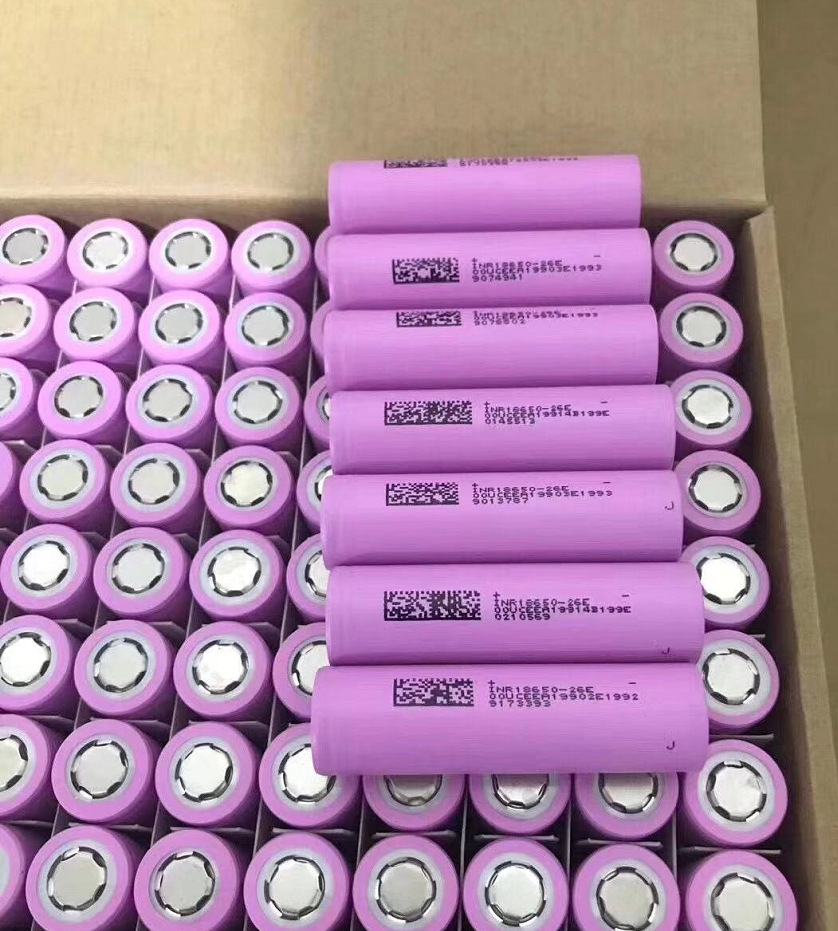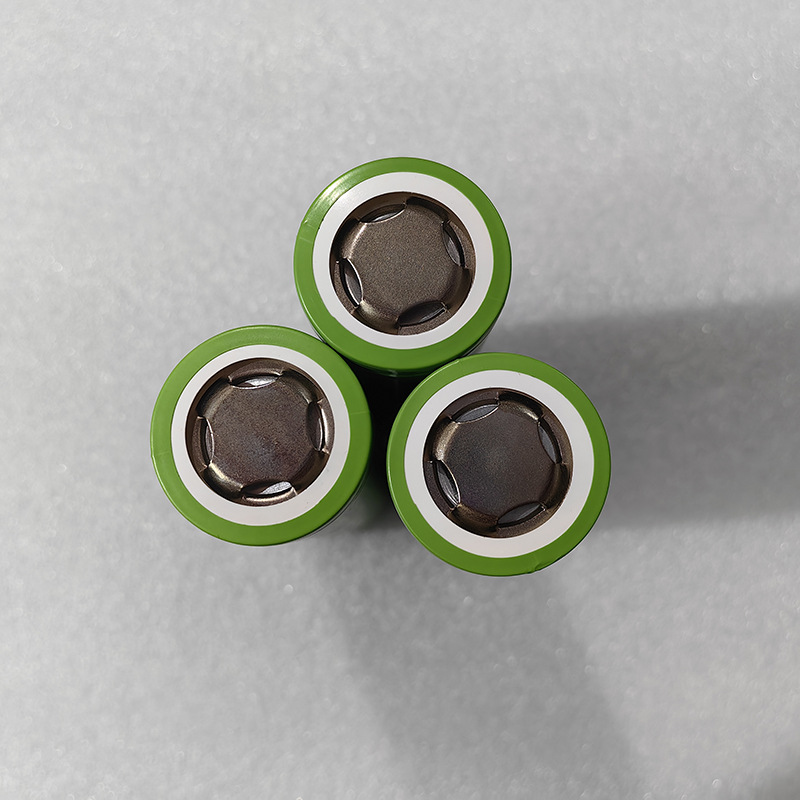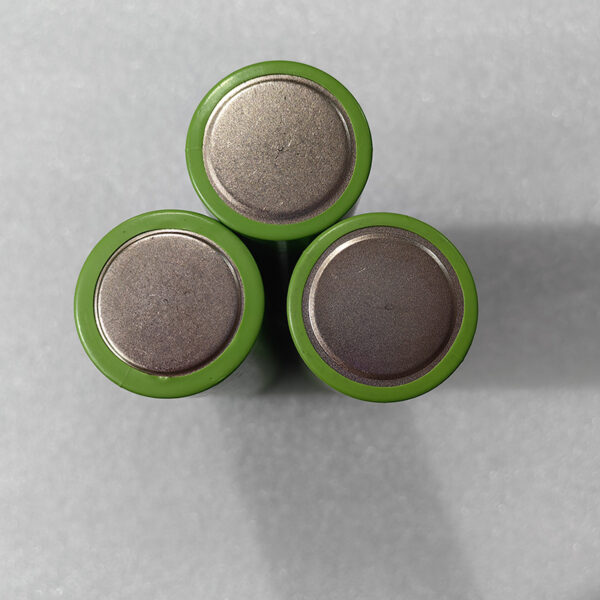
Factory Direct 18650 LFP Cells China Export: No Thermal Runaway Prevention for Power Tools Projects Top 5 Problems & Solutions
The global power tools market demands reliable energy storage solutions, yet many engineers face critical challenges when sourcing 18650 LFP cells from China without adequate thermal runaway prevention. As lithium battery technology evolves, understanding the technical pitfalls becomes essential for procurement teams targeting EU and US markets. This analysis dissects the top five problems encountered with factory-direct LFP cell exports and provides actionable solutions aligned with international safety standards.
Problem 1: Inadequate Thermal Management Design
Many Chinese manufacturers omit integrated thermal protection mechanisms to reduce costs. LFP chemistry offers inherent stability compared to NMC, but thermal runaway remains possible under overcharge or short-circuit conditions. Without proper PTC devices or thermal fuses, cell temperatures can exceed 150°C during fault conditions.
Solution: Implement multi-layer protection including external BMS with temperature sensors positioned at cell midpoints. Require suppliers to provide UN38.3 test reports validating thermal abuse resistance.
Problem 2: Inconsistent Cell Capacity Matching
Factory-direct shipments often contain cells with ±5% capacity variance, causing imbalance in series configurations. This accelerates degradation and increases thermal stress on weaker cells during high-drain power tool operations.
Solution: Demand capacity matching within ±2% tolerance. Conduct independent verification testing using standardized discharge protocols at 1C rates. Establish incoming quality control procedures before assembly integration.
Problem 3: Missing Regional Compliance Certification
Cells exported without CE, UL, or IEC 62133 certification create legal barriers for European and North American distribution. Many factories claim compliance without third-party validation, exposing buyers to liability risks.
Solution: Verify certification authenticity through accredited testing laboratories. Prioritize manufacturers with documented compliance history for target markets. Request test reports directly from recognized bodies like TUV or Intertek.
Problem 4: Substandard Welding Compatibility
Power tool applications require robust tab welding for high-current discharge. Some LFP cells feature inadequate nickel plating thickness, leading to increased resistance and heat generation during operation.
Solution: Specify minimum nickel plating thickness of 3μm on terminals. Conduct peel strength testing exceeding 5N force requirements. Validate weld integrity through cross-sectional microscopy analysis.
Problem 5: Insufficient Cycle Life Documentation
Manufacturers often claim 2000+ cycles without specifying discharge depth or temperature conditions. Real-world power tool usage involves variable loads that accelerate capacity fade beyond laboratory specifications.
Solution: Require cycle life data at 80% DOD and 45°C ambient temperature. Conduct independent validation testing for 500 cycles minimum before mass procurement. Establish performance guarantees in supply contracts.
Testing Methodologies for Quality Assurance
Implement comprehensive validation protocols including:
- Thermal imaging analysis during 5C discharge to identify hot spots
- Internal resistance measurement at 1kHz AC frequency for consistency verification
- Vibration testing per IEC 60068-2-64 for power tool application suitability
- Overcharge protection validation at 1.5C until voltage cutoff activation
These methods ensure cells meet operational requirements before deployment in commercial products.
CNS Battery: Regional Compliance & Technical Barriers
For engineers seeking reliable 18650 LFP cells from China, partnering with manufacturers who understand regional technical barriers proves critical. CNS Battery maintains production facilities aligned with EU battery directive 2023/1542 and US UL standards, ensuring seamless market entry.
Their cylindrical battery cell lineup undergoes rigorous testing for thermal stability, with integrated protection mechanisms preventing runaway scenarios common in cheaper alternatives. The manufacturing process incorporates automated sorting for capacity matching within ±1.5% tolerance, addressing one of the primary failure points identified above.
For procurement teams evaluating Chinese battery manufacturers, verification of compliance documentation remains essential. CNS Battery provides transparent certification records accessible through their official channels, reducing due diligence burden for international buyers.
Manufacturers targeting North American markets must additionally comply with California Proposition 65 labeling requirements and DOT transportation regulations. European distribution requires battery passport documentation under new ESG frameworks. These regional nuances create technical barriers that experienced suppliers navigate proactively.
Conclusion
Sourcing factory-direct 18650 LFP cells requires thorough technical evaluation beyond price considerations. The five problems outlined—thermal management, capacity matching, compliance certification, welding compatibility, and cycle life documentation—represent common failure points affecting power tool project success.
Engineers and procurement specialists should prioritize suppliers demonstrating commitment to international standards rather than cost minimization alone. Proper validation testing, contractual performance guarantees, and regional compliance verification form the foundation of successful battery integration.
For detailed product specifications and compliance documentation, visit Cylindrical Battery Cell Products. Manufacturing partnership inquiries can be directed through Battery Manufacturers in China. Direct technical consultation is available at Contact Page.
Investing in verified supply chains prevents costly field failures and protects brand reputation in competitive power tools markets. The technical barriers separating compliant from non-compliant suppliers continue widening as global safety regulations tighten throughout 2026.