Ultimate Guide to 18650 LFP Cells for Power Tools 2026 – Complete Factory Audit IATF16949 Focus
Executive Summary
As the power tool industry advances into 2026, Lithium Iron Phosphate (LFP) 18650 cells have emerged as the preferred choice for professional-grade cordless equipment. This comprehensive guide addresses critical procurement considerations, IATF16949 compliance requirements, and factory audit protocols essential for B2B buyers sourcing from Chinese manufacturers.
Why 18650 LFP for Power Tools in 2026?
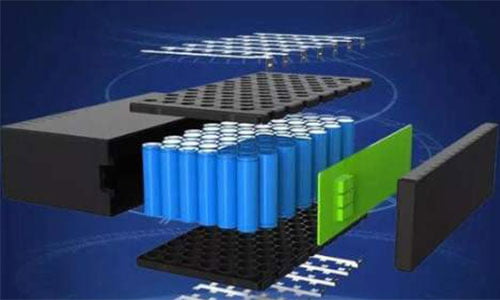
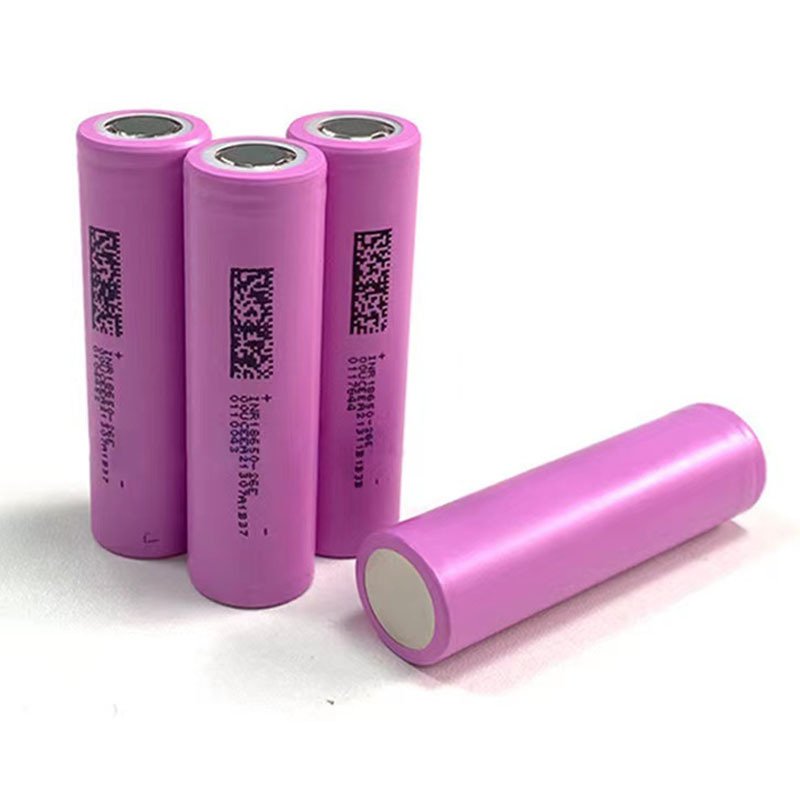
The 18650 form factor (18mm diameter × 65mm length) remains industry-standard for cordless power tools due to its optimal balance of energy density, thermal management, and mechanical compatibility. LFP chemistry offers distinct advantages over NCM/NCA alternatives:
Technical Specifications:
- Nominal Voltage: 3.2V (vs. 3.6-3.7V for ternary lithium)
- Cycle Life: 2,000-5,000 full charge-discharge cycles
- Operating Temperature: -20°C to 65°C
- Safety Profile: Superior thermal stability, minimal thermal runaway risk
- Weight: Approximately 45-50g per cell
For power tool applications requiring high discharge rates (10C-15C), LFP cells deliver consistent performance while maintaining structural integrity under demanding conditions. Professional drills, impact drivers, and saws benefit from the chemistry’s inherent safety margin during high-current operations.
IATF16949 Certification: The Non-Negotiable Standard
IATF16949:2016 represents the global automotive quality management standard, increasingly adopted by premium power tool manufacturers seeking supply chain reliability. This certification extends beyond ISO9001 with automotive-specific requirements:
Core Compliance Elements:
- Five Core Tools Implementation
- APQP (Advanced Product Quality Planning)
- PPAP (Production Part Approval Process)
- FMEA (Failure Mode and Effects Analysis)
- MSA (Measurement System Analysis)
- SPC (Statistical Process Control)
- Customer-Specific Requirements (CSR)
Manufacturers must document and fulfill brand-specific quality expectations, including defect rate thresholds (typically <50 PPM) and on-time delivery metrics (>98%). - Process-Based Quality Management
Continuous improvement methodologies must be embedded throughout production, with quantifiable KPIs monitoring every manufacturing stage.
Factory Audit Checklist for 18650 LFP Procurement
When evaluating Chinese battery manufacturers, B2B buyers should conduct comprehensive facility audits covering these critical areas:
1. Quality Management System Documentation
Verify current IATF16949 certification validity through official IATF database. Request audit reports from accredited certification bodies (SGS, TÜV, Bureau Veritas). Ensure quality manual explicitly maps IATF16949 clauses to operational procedures.
2. Production Capability Assessment
- Clean room classification (minimum ISO Class 8 for electrode coating)
- Automated winding and assembly equipment
- Real-time SPC monitoring systems
- Traceability systems (cell-level barcode tracking)
3. Testing Infrastructure
- Cycle life testing equipment (minimum 500-cycle validation before shipment)
- DCR (Direct Current Resistance) measurement at multiple SOC points
- Thermal chamber testing (-20°C to 60°C capacity retention)
- Safety testing (nail penetration, overcharge, short-circuit)
4. Supply Chain Verification
Raw material sourcing documentation for cathode (LiFePO4), anode (graphite), separator, and electrolyte components. Tier-1 suppliers should maintain corresponding quality certifications.
Common Procurement Pitfalls to Avoid
Case Study 1: Certification Misrepresentation
A European power tool distributor discovered their Chinese supplier’s IATF16949 certificate covered only administrative offices, not production facilities. Always verify certification scope includes manufacturing operations.
Case Study 2: Specification Drift
Initial samples met 15C discharge requirements, but mass production cells delivered only 8C. Implement PPAP Level 3 submission requirements with production validation runs before full-scale orders.
Case Study 3: Traceability Gaps
Batch-level tracking proved insufficient for warranty claims. Require cell-level serialization enabling precise failure analysis and targeted recalls.
Technical Compatibility Considerations
When integrating 18650 LFP cells into existing power tool platforms, engineers must address:
Voltage Architecture:
LFP’s 3.2V nominal voltage requires pack redesign when migrating from 3.7V ternary systems. A 5S LFP configuration (16V nominal) approximates 4S NCM (14.8V nominal) but demands BMS recalibration.
BMS Requirements:
- Cell balancing accuracy: ±5mV
- Over-current protection: 2-3C continuous, 5-10C peak
- Temperature monitoring: Minimum 2 sensors per pack
- Communication protocols: UART, CAN, or SMBus integration
Charging Infrastructure:
LFP requires CC-CV charging with 3.6-3.65V cutoff per cell. Existing chargers designed for 4.2V ternary cells cannot be used without modification.
2026 Market Trends Impacting Procurement
The power tool battery market shows three significant shifts:
- Premiumization: Professional users demand IATF16949-certified cells despite 15-20% cost premium
- Sustainability: Carbon footprint documentation increasingly required for EU market access
- Localization: Regional inventory buffers reducing supply chain disruption risks
Supplier Evaluation Framework
Develop scoring matrices weighting these factors:
| Criteria | Weight | Verification Method |
|---|---|---|
| IATF16949 Certification | 25% | Certificate validation |
| Production Capacity | 20% | Facility audit |
| Quality Metrics (PPM) | 20% | Historical data review |
| Technical Support | 15% | Reference checks |
| Cost Competitiveness | 10% | RFQ comparison |
| Delivery Performance | 10% | OTD track record |
Conclusion
Selecting 18650 LFP cells for power tool applications in 2026 requires rigorous supplier evaluation beyond price considerations. IATF16949 certification provides objective evidence of manufacturing maturity, but buyers must verify certification scope, audit production capabilities, and validate technical specifications through independent testing.
Partnering with manufacturers maintaining transparent quality systems, comprehensive testing infrastructure, and documented continuous improvement processes minimizes procurement risk while ensuring end-product reliability. The modest cost premium for certified suppliers delivers substantial value through reduced warranty claims, enhanced brand reputation, and supply chain stability.
For detailed product specifications and manufacturer qualifications, explore our cylindrical battery cell offerings and connect with our technical team through our contact page. Additional insights on vetting battery manufacturers in China are available to support your procurement decisions.
This guide reflects industry best practices as of March 2026. Specifications and standards may evolve; always verify current requirements with your quality assurance team.