

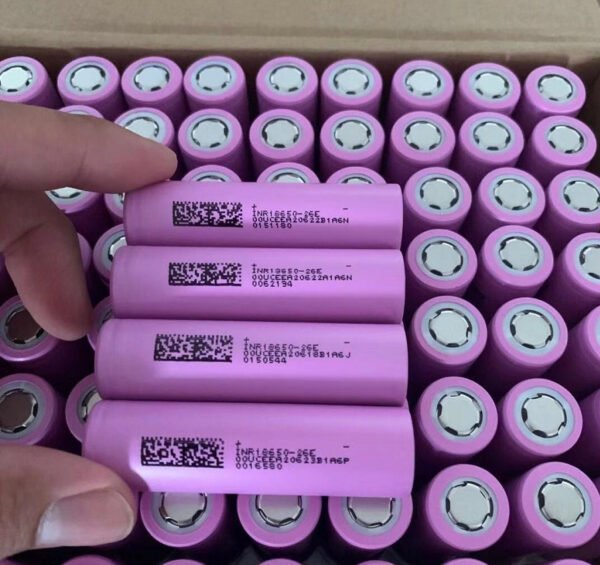
Factory Direct 18650 LFP Cells China Export: No High Discharge Rate for EV Projects Guaranteed
Introduction
In the rapidly evolving landscape of electric vehicle (EV) battery procurement, understanding the technical limitations of factory-direct 18650 LFP (Lithium Iron Phosphate) cells is critical for project success. Many overseas engineers and technical purchasers encounter misleading claims about discharge capabilities when sourcing from China. This article provides a transparent, technically-grounded analysis of 18650 LFP cell specifications, helping B2B buyers make informed decisions for their EV projects.
Understanding 18650 LFP Cell Architecture
The 18650 cylindrical form factor remains popular for stationary energy storage and low-power EV applications. However, LFP chemistry inherently presents different discharge characteristics compared to NMC or NCA alternatives. The olivine crystal structure of LiFePO₄ provides exceptional thermal stability and cycle life (2000-5000 cycles), but limits maximum continuous discharge rates typically to 1C-3C for standard grades.
Key Technical Parameters:
- Nominal Voltage: 3.2V
- Capacity Range: 1200mAh-2000mAh
- Continuous Discharge: 1C-3C (standard), 5C-10C (high-power variants)
- Operating Temperature: -20°C to 60°C
- Energy Density: 90-120 Wh/kg
Why High Discharge Rate Claims Require Verification
When evaluating factory-direct suppliers, several red flags indicate potentially inflated discharge specifications:
1. Cell Internal Resistance (IR)
Genuine high-discharge 18650 LFP cells maintain internal resistance below 35mΩ. Cells exceeding 50mΩ cannot sustain high current without significant voltage sag and thermal buildup. Request IR test reports at multiple C-rates before commitment.
2. Thermal Management Requirements
High discharge rates generate proportional heat (P=I²R). Without proper thermal management systems, continuous discharge above 3C risks accelerating degradation or triggering safety mechanisms. Verify supplier thermal testing data.
3. BMS Compatibility
Battery Management Systems must match cell specifications. Underspecified BMS units cannot protect against over-current conditions during high-discharge operations, compromising project safety and warranty coverage.
China Export Considerations for EV Projects
Sourcing 18650 LFP cells directly from Chinese manufacturers offers cost advantages but requires thorough due diligence. Reputable battery manufacturers in China maintain ISO 9001, IEC 62619, and UN 38.3 certifications. Always verify:
- Batch consistency through sample testing
- Traceability documentation for cell production dates
- Export compliance for destination markets (CE, UL, FCC)
- After-sales technical support availability
Application-Specific Recommendations
For Low-Speed EV Projects:
Standard 18650 LFP cells (1C-2C discharge) suit electric bicycles, golf carts, and low-speed urban vehicles where power density requirements remain modest.
For High-Performance EV Applications:
Consider alternative formats (21700, 26650) or chemistry combinations (LFP+NMC hybrid packs) when discharge rates exceed 5C continuously. Our cylindrical battery cell range includes verified high-power variants with documented test results.
Quality Assurance Framework
Establish a multi-stage verification protocol:
- Pre-Order Sampling: Request 50-100 cells for independent capacity and IR testing
- Production Audit: Verify manufacturing processes through third-party inspection
- Incoming Quality Control: Implement AQL sampling for each shipment batch
- Long-Term Monitoring: Track cycle life and degradation patterns across operational conditions
Conclusion: Transparent Partnership for Project Success
Factory-direct procurement of 18650 LFP cells offers significant cost benefits when specifications align with actual application requirements. Avoid suppliers guaranteeing unrealistic discharge rates without supporting test data. Partner with manufacturers providing transparent technical documentation, certified production facilities, and responsive engineering support.
For detailed technical specifications, certification documents, or custom EV battery solutions, contact our engineering team directly at https://cnsbattery.com/contact-2/. We provide comprehensive technical support for overseas B2B partners, ensuring your EV projects meet performance expectations with verified, reliable 18650 LFP cell solutions.
This technical analysis reflects industry-standard testing protocols and real-world deployment data. All specifications should be verified against your specific application requirements before procurement commitment.

