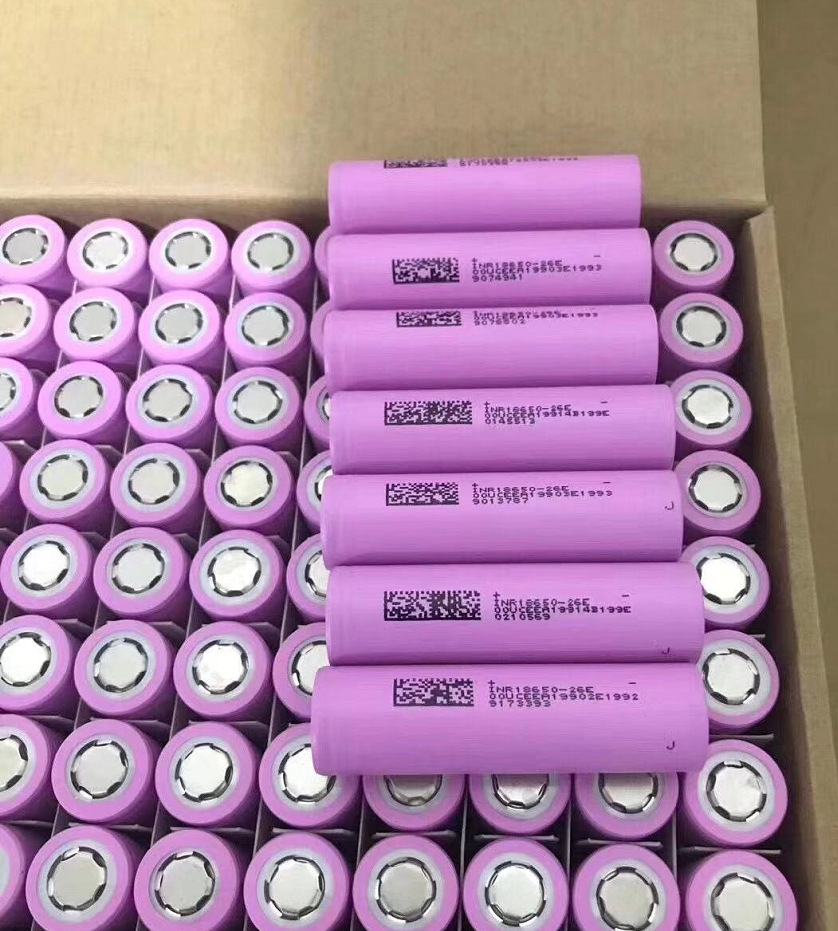
18650 LFP Cylindrical Battery for EV – Sample Test Report Wholesale Supplier from China
The electric vehicle (EV) industry continues to experience unprecedented growth, driving demand for reliable, cost-effective, and safe battery solutions. Among various lithium-ion chemistries, 18650 LFP (Lithium Iron Phosphate) cylindrical batteries have emerged as a compelling choice for EV applications. This article provides technical insights into 18650 LFP cell performance, sample testing protocols, and considerations for sourcing from Chinese wholesale suppliers.
Understanding LFP Chemistry Fundamentals
LFP batteries utilize lithium iron phosphate (LiFePO₄) as the cathode material, offering distinct advantages over traditional NMC or NCA chemistries. The olivine crystal structure provides exceptional thermal stability, with decomposition temperatures exceeding 270°C compared to 150°C for cobalt-based alternatives. This inherent safety characteristic makes LFP particularly suitable for EV applications where thermal runaway prevention is critical.
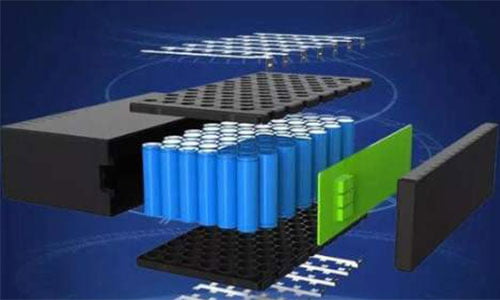
The 18650 form factor (18mm diameter, 65mm length) represents an industry-standard cylindrical cell design. This standardized dimension enables scalable battery pack configurations while maintaining consistent thermal management characteristics across modules.
Key Performance Parameters for EV Applications
When evaluating 1860 LFP cells for EV integration, technical procurement teams should focus on these critical specifications:
Energy Density: Typical 18650 LFP cells deliver 90-120 Wh/kg at the cell level. While lower than NMC equivalents, the trade-off favors longevity and safety. For commercial EVs prioritizing total cost of ownership over maximum range, this balance proves advantageous.
Cycle Life: LFP chemistry demonstrates superior cycle stability, commonly achieving 2,000-5,000 full cycles at 80% depth of discharge while retaining 80% capacity. This extended lifespan directly impacts EV battery replacement intervals and residual value calculations.
C-Rate Performance: Standard 18650 LFP cells support continuous discharge rates of 1C-3C, with pulse capabilities reaching 5C. Fast-charging protocols should maintain temperatures below 45°C to preserve cycle life.
Operating Temperature Range: Optimal performance occurs between 15°C-35°C. Low-temperature operation below 0°C requires pre-heating systems to prevent lithium plating during charging.
Sample Testing Protocol Recommendations
Professional procurement from Chinese manufacturers should include comprehensive sample validation before volume commitments. Essential testing phases include:
Phase 1 – Initial Characterization: Verify capacity, internal resistance, and open-circuit voltage against datasheet specifications. Acceptable variance should not exceed ±3% for capacity measurements.
Phase 2 – Cycle Testing: Conduct minimum 500 accelerated cycles at 1C charge/discharge rates under controlled temperature conditions. Monitor capacity fade and impedance growth trends.
Phase 3 – Safety Validation: Perform nail penetration, overcharge, and thermal shock tests per UN38.3 and IEC62133 standards. LFP chemistry typically demonstrates superior pass rates compared to alternative chemistries.
Phase 4 – Environmental Stress: Evaluate performance under vibration, humidity, and temperature cycling conditions simulating actual EV operating environments.
Sourcing Considerations from Chinese Suppliers
China dominates global lithium battery manufacturing, offering competitive pricing and established supply chains. However, technical buyers must implement rigorous supplier qualification processes:
Manufacturing Certification: Verify ISO9001, IATF16949, and relevant safety certifications. Request audit reports from recognized third-party inspection agencies.
Production Capacity Assessment: Evaluate monthly output capabilities, quality control systems, and traceability protocols. Consistent cell-to-cell variation should remain below 2% within production batches.
Technical Support Infrastructure: Ensure suppliers provide engineering support for pack integration, BMS compatibility verification, and failure analysis capabilities.
For comprehensive product specifications and technical documentation, visit our cylindrical battery cell portfolio.
Cost-Benefit Analysis for EV Integration
Total cost of ownership calculations should extend beyond initial cell pricing. LFP’s extended cycle life often results in lower cost per kilowatt-hour over the battery’s operational lifetime. Additionally, reduced thermal management requirements and elimination of cobalt sourcing concerns provide supply chain stability advantages.
Current market pricing for quality 18650 LFP cells ranges from $0.08-$0.12 per Wh at volume quantities. Price variations reflect manufacturing quality, certification levels, and after-sales support structures.
Conclusion
18650 LFP cylindrical batteries represent a mature, reliable solution for specific EV segments prioritizing safety, longevity, and total cost optimization. Successful integration requires thorough sample testing, supplier qualification, and system-level engineering considerations.
For detailed sample test reports and wholesale pricing inquiries, contact our technical team through our official contact page. To learn more about verified battery manufacturers in China and industry best practices, explore our comprehensive resource center.
Partnering with established suppliers who maintain transparent testing documentation and provide engineering support ensures successful EV battery deployment while minimizing integration risks and long-term operational costs.