ESS Solar Storage 33135 LFP Cells: Long Life No Swelling Full Test Reports Included
The renewable energy sector continues to evolve rapidly, with Energy Storage Systems (ESS) becoming the backbone of solar power installations worldwide. Among various battery chemistries, Lithium Iron Phosphate (LFP) cells have emerged as the preferred choice for commercial and residential solar storage applications. This technical analysis focuses on the 33135 LFP cylindrical cell specification, examining its performance advantages, testing protocols, and compliance with international standards for engineers and technical procurement professionals.
Understanding the 33135 LFP Cell Specification
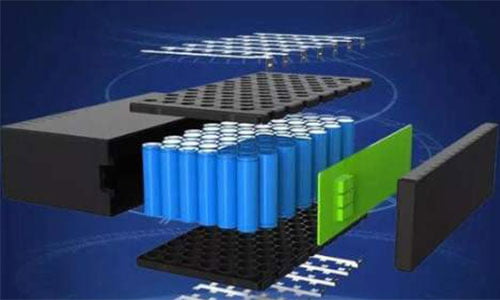
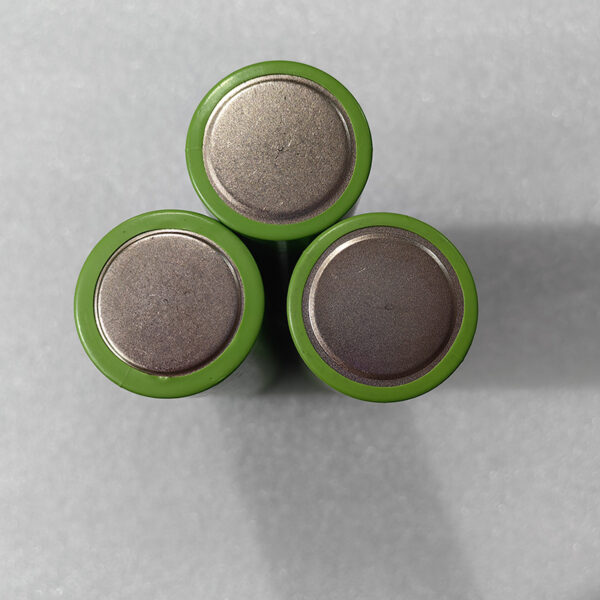
The 33135 designation refers to a cylindrical lithium cell with precise dimensional specifications: 33mm diameter and 135mm height. This form factor offers significant advantages for ESS applications compared to traditional prismatic or pouch cells. The cylindrical geometry provides superior mechanical stability, enhanced heat dissipation, and reduced risk of thermal runaway propagation.
For solar storage systems operating in diverse climates, the 33135 LFP cell delivers a nominal voltage of 3.2V with typical capacity ranges between 10-20Ah per cell, depending on the specific manufacturer configuration. When configured in battery packs, these cells enable scalable system designs from 5kWh residential units to multi-MWh commercial installations.
Long Life Performance: The LFP Chemistry Advantage
LFP chemistry fundamentally differs from NMC or NCA lithium-ion variants through its olivine crystal structure. This stable molecular arrangement provides exceptional cycle life performance, typically exceeding 6,000 cycles at 80% Depth of Discharge (DOD). For solar storage applications requiring 15-20 year operational lifespans, this translates to minimal degradation and consistent performance throughout the system’s lifetime.
The thermal stability of LFP chemistry operates effectively within a temperature range of -20°C to 60°C, making it suitable for installations across various geographical regions. Unlike other lithium chemistries, LFP cells maintain structural integrity even under elevated temperature conditions commonly experienced in solar array environments.
No Swelling: Critical Safety Feature for ESS Deployments
Cell swelling represents one of the primary failure modes in lithium battery systems, particularly problematic in enclosed ESS enclosures. The 33135 cylindrical LFP design inherently mitigates swelling risks through several engineering mechanisms:
Structural Integrity: The steel casing of cylindrical cells provides robust containment pressure, preventing electrode expansion during cycling. This contrasts with pouch cells that require external compression systems to maintain dimensional stability.
Gas Generation Control: LFP chemistry produces minimal gas during normal operation and abuse conditions. The stable phosphate bond structure reduces electrolyte decomposition, eliminating the swelling phenomena common in other lithium chemistries.
Thermal Management: The cylindrical form factor enables efficient heat distribution throughout the cell volume, preventing localized hot spots that accelerate degradation and gas generation.
Comprehensive Test Reports and Certification Standards
Professional ESS deployments require validated performance data through standardized testing protocols. Quality 33135 LFP cells should include comprehensive test reports covering:
IEC 62619 Compliance: This international standard specifies safety requirements for secondary lithium cells used in industrial applications, including ESS systems. Testing encompasses electrical, mechanical, and environmental stress conditions.
UL 1973 Certification: For North American market access, UL 1973 validation ensures battery systems meet stringent safety requirements for stationary energy storage applications.
UN 38.3 Transportation: All lithium battery shipments require UN 38.3 testing certification, validating safe transport conditions across international borders.
Cycle Life Testing: Accelerated aging tests demonstrate long-term performance characteristics, including capacity retention after 6,000+ cycles at various C-rates and temperature conditions.
Thermal Abuse Testing: Nail penetration, overcharge, and external short-circuit tests verify safety margins under extreme conditions.
Regional Compliance and Technical Barriers
For global ESS deployments, understanding regional compliance requirements proves essential for successful project implementation. European Union markets require CE marking with compliance to EN 50549 grid connection standards and battery-specific regulations under the new EU Battery Regulation 2023. United States installations must adhere to NEC Article 706 energy storage system requirements alongside state-specific interconnection rules.
CNS Battery, as an established battery manufacturers in China, maintains comprehensive certification portfolios enabling seamless market access across these jurisdictions. Their cylindrical battery cell production lines implement automated quality control systems ensuring consistent performance matching international specifications.
Technical procurement teams should verify manufacturer capabilities through factory audits, sample testing, and reference project validation. The integration of 33135 LFP cells into ESS designs requires careful consideration of BMS compatibility, thermal management architecture, and system-level safety protocols.
Conclusion
The 33135 LFP cylindrical cell represents an optimal solution for modern solar storage applications, combining long cycle life, inherent safety characteristics, and proven performance across diverse operating conditions. Professional ESS developers should prioritize suppliers providing complete test documentation, regional compliance certifications, and technical support throughout project lifecycles.
For technical specifications, certification documentation, or procurement inquiries regarding 33135 LFP cells for ESS applications, contact our engineering team through our official contact page. Our technical specialists provide comprehensive support for system design validation, compliance documentation, and volume procurement arrangements serving global renewable energy markets.
The transition toward sustainable energy infrastructure demands reliable, certified battery solutions. By selecting properly validated 33135 LFP cells from qualified manufacturers, ESS developers ensure long-term system performance while meeting evolving regulatory requirements across international markets.