

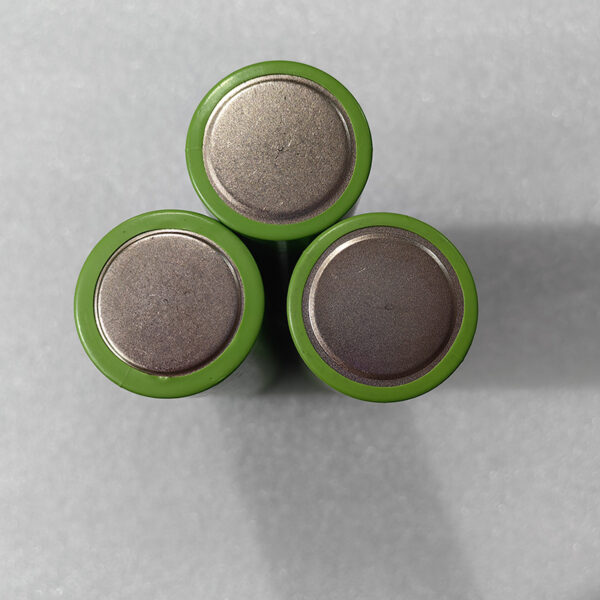
Ultimate Guide to 46135 Li-ion Cells for EV 2026 – Complete Sustainability & Carbon Footprint Focus
The electric vehicle industry stands at a critical juncture in 2026, with battery technology evolving rapidly to meet stringent sustainability requirements. Among emerging formats, the 46135 cylindrical lithium-ion cell has gained significant traction as manufacturers seek optimal balance between energy density, manufacturing efficiency, and environmental responsibility. This comprehensive guide examines the technical specifications, sustainability metrics, and carbon footprint considerations essential for B2B buyers evaluating 46135 cells for EV applications.
Understanding 46135 Cell Architecture
The 46135 designation indicates cylindrical cell dimensions: 46mm diameter and 135mm height. This format represents a strategic evolution from traditional 21700 and 4680 configurations, offering enhanced volumetric energy density while maintaining manufacturing compatibility with existing production lines. Key technical specifications include:
- Nominal Capacity: 25-35Ah depending on chemistry
- Energy Density: 280-320 Wh/kg (cell level)
- Cycle Life: 2,000-3,000 cycles at 80% DOD
- Operating Temperature: -20°C to 60°C
- Fast Charging Capability: 15-80% SOC in 18-25 minutes
For businesses seeking reliable cylindrical battery solutions, exploring established cylindrical battery cell manufacturers ensures access to certified products meeting international standards.
2026 Sustainability Standards & Compliance
The regulatory landscape for EV batteries has transformed dramatically. China’s 2026 battery national standard (GB 38031-2025), implemented July 2026, mandates comprehensive safety testing including nail penetration, fire resistance, and bottom impact assessments. Beyond safety, carbon footprint labeling has become mandatory for market access in major economies.
Carbon Footprint Breakdown
A typical 46135 cell’s carbon footprint distributes across four lifecycle stages:
- Raw Material Extraction (45-55%): Mining lithium, nickel, cobalt, and graphite accounts for the largest emissions portion. Responsible sourcing certifications now directly impact procurement decisions.
- Cell Manufacturing (25-30%): Energy-intensive processes including electrode coating, drying, and formation cycling contribute significantly. Facilities powered by renewable energy reduce this footprint by 40-60%.
- Module & Pack Assembly (10-15%): Structural components, thermal management systems, and battery management electronics add incremental emissions.
- End-of-Life Processing (5-10%): Recycling efficiency and second-life applications determine net environmental impact.
Key Sustainability Metrics for B2B Evaluation
Professional buyers should assess suppliers against these critical parameters:
Manufacturing Energy Intensity
Leading manufacturers achieve 40-50 kWh per kWh of battery capacity produced. Facilities utilizing solar, wind, or hydroelectric power demonstrate 35-45% lower carbon intensity compared to grid-dependent operations.
Material Traceability
Complete supply chain transparency from mine to cell enables accurate Scope 3 emissions calculation. Blockchain-enabled tracking systems now provide immutable records of material origins and processing conditions.
Recycling Integration
Closed-loop manufacturing incorporating recycled cathode materials reduces raw material extraction requirements by 25-35%. Suppliers with established recycling partnerships offer superior long-term sustainability profiles.
Water Consumption
Battery production requires substantial water resources. Advanced facilities implement water recycling systems achieving 85-90% reuse rates, critical for operations in water-stressed regions.
Technical Advantages for EV Integration
The 46135 format delivers specific benefits for automotive applications:
Thermal Management: Larger surface-area-to-volume ratio compared to 4680 cells enables more efficient heat dissipation, reducing cooling system complexity and energy consumption.
Structural Efficiency: Optimized dimensions allow tighter packing coefficients (72-76% volumetric utilization), maximizing vehicle range without compromising safety margins.
Manufacturing Scalability: Compatibility with existing cylindrical cell production equipment reduces capital expenditure for manufacturers transitioning from 21700 formats.
Safety Performance: Enhanced mechanical stability and reduced thermal runaway propagation risk meet stringent 2026 safety requirements without additional protective systems.
Selecting Qualified Battery Manufacturers
Partner selection significantly impacts sustainability outcomes. Established Chinese manufacturers have achieved notable certifications, with several facilities receiving national pilot product carbon footprint labeling certification. When evaluating potential suppliers, consider:
- ISO 14001 environmental management certification
- IATF 16949 automotive quality standards
- Third-party carbon footprint verification
- Production capacity and lead time reliability
- Technical support and customization capabilities
For comprehensive manufacturer evaluation, reviewing battery manufacturers in China provides insights into certified facilities meeting international requirements.
Future Outlook & Investment Considerations
The 46135 cell format positions itself strategically for mid-to-large EV segments through 2030. Projected cost reductions of 15-20% by 2028, combined with improving energy density trajectories, make this format attractive for fleet operators and OEMs balancing performance with sustainability commitments.
Emerging solid-state technology may eventually supersede conventional lithium-ion architectures, but 46135 cells represent the optimal near-term solution for businesses requiring proven technology with clear sustainability pathways.
Conclusion
The 46135 lithium-ion cell represents a mature, sustainable solution for 2026 EV applications. B2B buyers prioritizing carbon footprint reduction should evaluate suppliers based on manufacturing energy sources, material traceability, recycling integration, and regulatory compliance. Partnering with certified manufacturers ensures access to products meeting evolving international standards while supporting corporate sustainability objectives.
For detailed specifications, certification documentation, or customized procurement solutions, contact our team to discuss your specific requirements and receive comprehensive technical support aligned with your sustainability goals.
This guide reflects industry standards and regulatory requirements as of March 2026. Specifications may vary by manufacturer and should be verified through direct supplier engagement.

