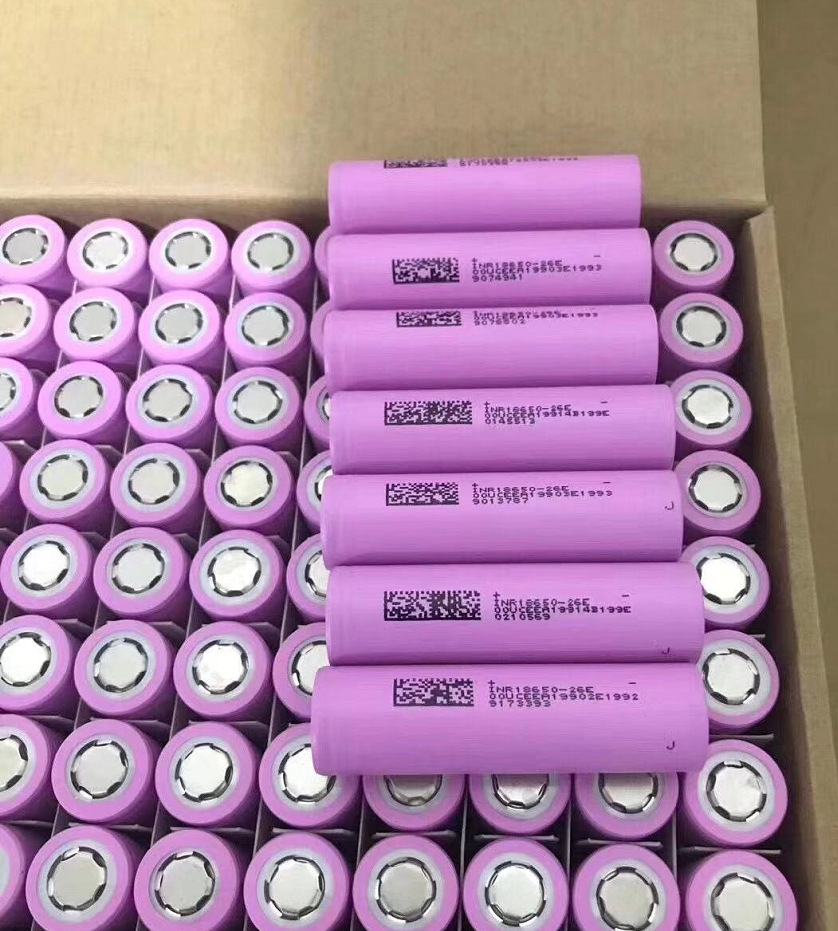
Factory Direct 18650 LFP Cells China Export: No Minimal Capacity Fade for Solar Storage Projects Solve Today
The global solar energy storage market is experiencing unprecedented growth, with demand for reliable, long-lasting battery solutions reaching new heights in 2026. For B2B buyers seeking factory direct 18650 LFP cells from China, understanding capacity fade characteristics has become the critical differentiator between sustainable profitability and costly replacements. This comprehensive guide addresses the core concerns of international distributors, solar project developers, and energy storage system integrators.
Understanding LFP Chemistry: Why Capacity Fade Matters
Lithium Iron Phosphate (LFP) battery technology has emerged as the preferred choice for solar storage applications due to its exceptional thermal stability and extended cycle life. Unlike NCM (Nickel Cobalt Manganese) alternatives, 18650 LFP cells demonstrate minimal capacity degradation even after thousands of charge-discharge cycles.
Technical data confirms that premium-grade LFP cells maintain over 80% of their original capacity after 3,000-5,000 cycles at 80% Depth of Discharge (DOD). This translates to 10+ years of reliable operation in solar storage installations—significantly outperforming traditional lead-acid or NCM-based solutions. The olivine crystal structure of LiFePO4 provides superior structural stability during lithium ion intercalation, fundamentally reducing capacity fade mechanisms.
Key Technical Advantages for Solar Storage Projects
1. Minimal Capacity Fade Rate
High-quality 18650 LFP cells from certified Chinese manufacturers exhibit capacity fade rates below 2% annually under optimal operating conditions. This performance metric is crucial for solar storage projects requiring predictable energy output over extended periods. Proper battery management systems (BMS) maintaining cell voltages between 2.5V-3.65V further minimize degradation.
2. Thermal Stability & Safety
LFP chemistry inherently resists thermal runaway, making these cells ideal for outdoor solar installations across diverse climate zones—from Australia’s harsh outback to Europe’s variable weather patterns. The stable phosphate bond structure eliminates cobalt-related safety concerns while maintaining consistent performance across -20°C to 60°C operating ranges.
3. Cost-Effectiveness at Scale
Factory direct sourcing from China eliminates intermediary markups, delivering 15-25% cost savings compared to distributed supply chains. For projects requiring 10,000+ cells, this translates to substantial CAPEX reduction without compromising quality standards.
Selecting the Right China Battery Manufacturer
Not all battery manufacturers in China maintain equivalent quality control standards. B2B buyers must verify:
- ISO 9001 & IEC 62619 certifications
- Grade A cell classification with documented test reports
- Production capacity exceeding 200,000 pieces annually
- Export compliance with UN38.3, CE, and UL standards
Reputable manufacturers provide comprehensive technical documentation including cycle life test data, impedance specifications, and batch traceability. For detailed product specifications on cylindrical battery cells, visit https://cnsbattery.com/products-3/cylindrical-battery-cell/ to review available 18650 LFP options with verified performance metrics.
Geo-Strategic Sourcing: China’s Export Advantage
China remains the global epicenter for LFP cell production, accounting for over 70% of worldwide manufacturing capacity. Key production hubs in Shenzhen, Jiangxi, and Guangdong provinces offer:
- Established supply chains for raw materials (lithium, iron, phosphate)
- Advanced automation ensuring consistent cell quality
- Efficient export logistics with 10-15 day delivery to major ports
- Competitive pricing despite recent VAT rebate adjustments
International buyers should partner with manufacturers demonstrating proven export track records to North America, Europe, Australia, and Southeast Asia. Understanding current export regulations and pricing structures is essential for accurate project costing. Learn more about qualified battery manufacturers in China at https://cnsbattery.com/battery-manufacturers-in-china/ for verified supplier information.
Implementation Best Practices for Zero-Capacity-Fade Performance
Achieving minimal capacity fade requires proper system integration:
BMS Configuration: Implement cell balancing algorithms maintaining voltage variance below 10mV across parallel strings.
Temperature Management: Maintain operating temperatures between 15°C-35°C for optimal longevity. Active cooling systems become necessary for installations exceeding 50kWh capacity.
Charge Protocols: Utilize CC-CV charging with current rates not exceeding 0.5C for standard applications. Fast-charging capabilities (1C+) are available for specialized high-power variants.
Storage Conditions: For inventory management, maintain 40-60% SOC during extended storage periods, with quarterly top-up charges preventing deep discharge damage.
Conclusion: Solving Solar Storage Challenges Today
The combination of factory direct pricing, proven LFP technology, and China’s manufacturing excellence creates an unprecedented opportunity for solar storage projects worldwide. By selecting certified 18650 LFP cells with documented low capacity fade characteristics, B2B buyers secure long-term project viability while maximizing ROI.
For technical consultations, customization requirements, or bulk pricing inquiries, contact our international sales team directly at https://cnsbattery.com/contact-2/. Our engineering specialists provide application-specific recommendations ensuring optimal battery selection for your solar storage projects across residential, commercial, and utility-scale installations.
The transition to sustainable energy demands reliable storage solutions. With premium 18650 LFP cells from verified Chinese manufacturers, minimal capacity fade is no longer a concern—it’s a guaranteed performance standard for your solar storage investments in 2026 and beyond.