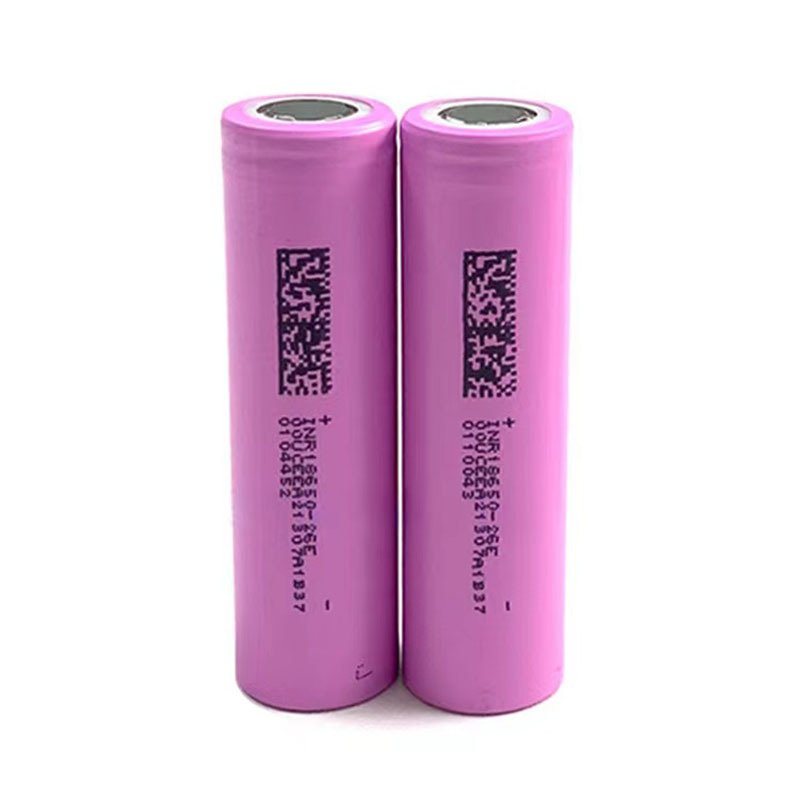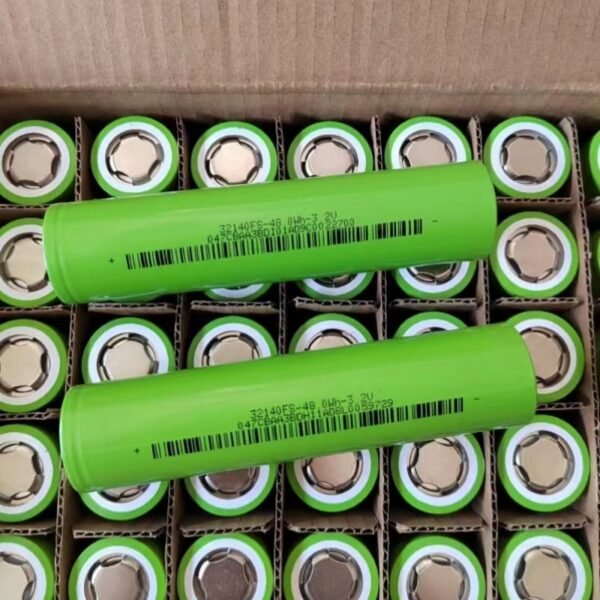
2026 LFP Cylindrical Battery Supplier: Fix Sample Test Report in Power Tools Using 18650 Cells Solve Today
Introduction
As we advance into 2026, the demand for reliable lithium iron phosphate (LFP) cylindrical batteries in power tool applications continues to surge. Engineering teams and technical procurement specialists worldwide face critical challenges when validating 18650 cell sample test reports. This article addresses common testing discrepancies, provides technical solutions, and guides professionals toward qualified battery suppliers who can deliver consistent, certified LFP cylindrical cells for demanding power tool applications.
Understanding LFP 18650 Cell Testing Requirements
Critical Performance Parameters
When evaluating LFP 18650 cells for power tools, several key parameters must be verified in sample test reports. The nominal capacity typically ranges from 1.5Ah to 2.0Ah for LFP chemistry, significantly lower than NMC counterparts but offering superior thermal stability and cycle life. Engineers should verify discharge rates matching application requirements—power tools commonly demand 10C to 20C continuous discharge capability.
Voltage characteristics differ notably from other lithium chemistries. LFP cells operate at 3.2V nominal voltage with a flat discharge curve between 3.0V and 3.3V. This requires battery management system (BMS) calibration specific to LFP chemistry. Test reports must document voltage profiles under various load conditions to ensure compatibility with existing power tool platforms.
Common Sample Test Report Discrepancies
Technical procurement teams frequently encounter inconsistencies in supplier test documentation. Capacity measurements may vary based on testing temperature, with standard conditions set at 25°C. Reports lacking temperature specifications should be flagged for clarification. Internal resistance values directly impact power delivery; acceptable ranges for power tool applications typically fall between 15-25 milliohms per cell.
Cycle life claims require validation methodology transparency. Reputable suppliers document testing protocols including depth of discharge (DOD), charge/discharge rates, and end-of-life criteria (typically 80% capacity retention). Reports stating “2000+ cycles” without supporting test conditions lack technical credibility for engineering evaluation.
Technical Solutions for Test Report Validation
Standardized Testing Protocols
Implementing IEC 62133 and UL 1642 compliance verification ensures sample test reports meet international safety standards. Request raw data files alongside summary reports to enable independent analysis. Temperature cycling tests between -20°C to 60°C validate performance across operational environments common in construction and industrial applications.
Impedance spectroscopy data provides deeper insight into cell health and consistency. Advanced suppliers include electrochemical impedance spectroscopy (EIS) measurements in comprehensive test packages, enabling prediction of long-term performance degradation patterns specific to high-drain power tool usage.
Supplier Qualification Criteria
When selecting LFP cylindrical battery suppliers for 2026 production cycles, verify manufacturing facility certifications including ISO 9001, IATF 16949 for automotive-grade quality systems, and relevant environmental compliance documentation. Audit reports should confirm traceability from raw materials through finished cell testing.
Production capacity and lead time commitments must align with project timelines. Established manufacturers maintain buffer inventory for sample requests while scaling production for volume orders. Request historical on-time delivery metrics and quality rejection rates during supplier evaluation phases.
Integration Considerations for Power Tool Applications
Thermal Management Requirements
LFP chemistry offers inherent safety advantages but requires appropriate thermal design. Maximum continuous operating temperature should not exceed 60°C for optimal cycle life. Test reports should include thermal imaging data under maximum discharge conditions to validate heat generation profiles within battery pack configurations.
BMS Compatibility Verification
Ensure battery management systems accommodate LFP-specific charging algorithms. Constant current-constant voltage (CC-CV) charging terminates at 3.65V per cell for LFP, differing from 4.2V for conventional lithium-ion. Sample test reports must confirm compatibility with existing charging infrastructure or document required modifications.
Partner with Certified LFP Battery Manufacturers
Selecting the right cylindrical battery cell partner determines project success in competitive power tool markets. Qualified suppliers provide comprehensive technical support throughout sample validation, production scaling, and after-sales service phases.
For detailed product specifications and technical consultation on LFP 18650 cells, visit our cylindrical battery cell product page. Our engineering team supports sample testing validation with complete documentation packages meeting international standards.
To explore manufacturing capabilities and quality certifications, review information about battery manufacturers in China with proven track records in power tool battery solutions.
Contact our technical sales team directly through our contact page for customized sample requests, test report templates, and project-specific technical consultations. Our 2026 production capacity supports rapid prototyping through volume manufacturing transitions.
Conclusion
Resolving sample test report discrepancies for LFP 18650 cells in power tool applications requires systematic technical evaluation, standardized testing protocols, and partnership with qualified manufacturers. By implementing the validation frameworks outlined above, engineering teams can accelerate product development cycles while ensuring reliable battery performance in demanding professional applications. The 2026 market demands transparency, technical competence, and consistent quality from battery suppliers—criteria that separate industry leaders from commodity providers.